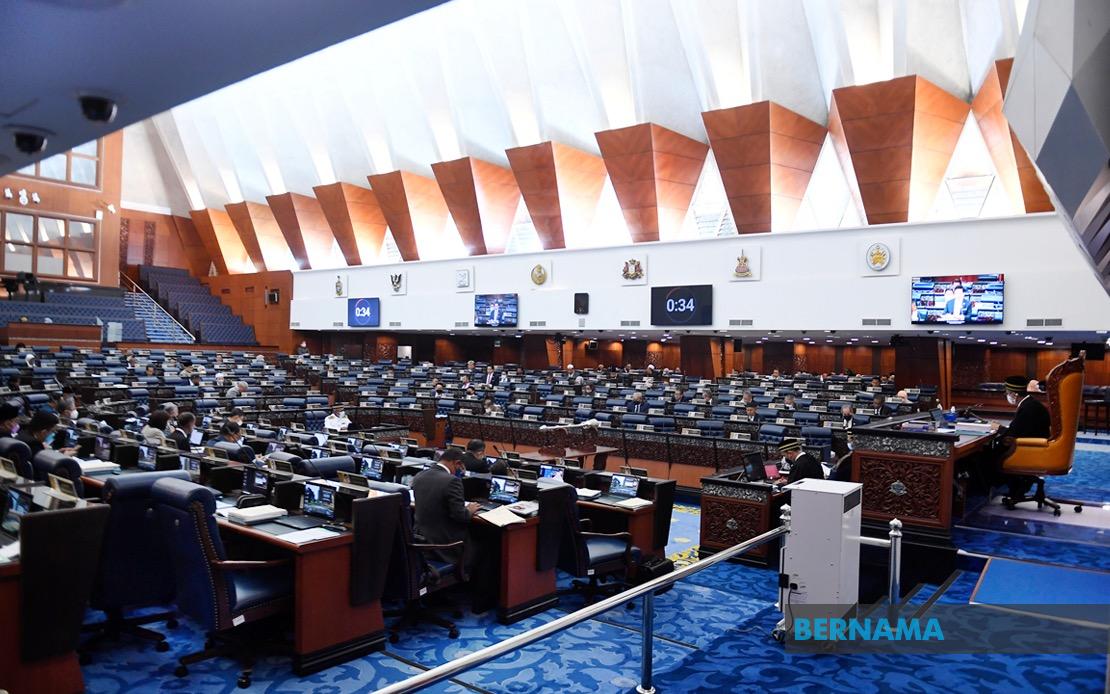
Malaysia's Dewan Rakyat convenes today with the fiscal relationship between Putrajaya and state governments taking centre stage, reflecting growing concerns among both government and opposition lawmakers about the distribution mechanisms underpinning federal support. The parliamentary session will probe two interconnected governance issues that carry substantial implications for how resources flow between the centre and Malaysia's thirteen states, and how electoral rules are enforced during nomination periods.
Doris Sophia Brodi, the GPS representative for Sri Aman, is expected to press the Prime Minister on assertions that the current framework for federal allocations shortchanges state administrations relative to tax revenues they help generate. Her questions will focus on what the MADANI Government intends to do to restructure this allocation system, signalling that even coalition allies believe the present arrangement requires adjustment. This line of questioning reflects a persistent tension in Malaysian federalism: states argue that federal retention of revenues is excessive, while the federal government maintains that redistribution formulas appropriately balance national priorities with regional development needs.
The allocation debate carries particular weight for Peninsular Malaysia's smaller states and economically less developed regions, where federal grants constitute a critical revenue source for healthcare, education, and infrastructure projects. For Malaysian readers across different states, the outcome of this parliamentary exchange could influence future availability of funds for local services. The MADANI administration's response will indicate whether it is open to revisiting formulae inherited from previous governments or whether it considers current arrangements defensible.
Equally significant is the questioning around the announced ban on project launches following the close of election nominations. Shahidan Kassim from PN will interrogate whether this restriction remains formally in place and what mechanisms will enforce it during the forthcoming state elections in Johor, Melaka, and Negeri Sembilan. Such regulations exist ostensibly to level the electoral playing field, preventing governing parties from deploying newly announced development projects as implicit campaign material. The enforcement question matters substantially: rules unenforced become merely advisory, and voters across these three states will scrutinise whether the ban is applied consistently.
Beyond these foundational governance questions, lawmakers will address immediate quality-of-life concerns that resonate with Malaysian households. Ismail Sabri Yaakob will direct the Communications Minister to outline steps for enhancing media literacy and digital awareness, particularly regarding artificial intelligence-generated content and deepfakes circulating on social platforms. This reflects genuine anxiety about information manipulation in an era where synthetic media can convincingly impersonate public figures, raising questions about how citizens can distinguish authentic from fabricated content.
Energy infrastructure readiness emerges as another parliamentary focus, with Chong Zhemin asking about electricity supply capacity for the expanding data centre and artificial intelligence sectors. This question signals recognition among lawmakers that Malaysia's industrial future increasingly depends on securing its position in the global AI and digital infrastructure ecosystem, requiring adequate power generation and distribution networks.
Social safety-net programmes also feature prominently. The mySalam health scheme for the B40 income group, the MADANI Book Vouchers redemption rates, and the effectiveness of TalentCorp's Career Comeback Programme targeting women workers will all face parliamentary scrutiny. These initiatives represent the government's attempts to address household vulnerability and workforce participation gaps, yet their actual impact remains subject to debate and evaluation.
The Program Jualan Rahmah MADANI, a government-subsidised retail initiative aimed at moderating living costs, will similarly come under examination, with requests for updated implementation figures across constituencies and proposals to increase frequency. For Malaysian consumers already burdened by rising prices for essentials, the viability and reach of such programmes directly affect their ability to manage household budgets.
Following these question periods, parliamentary focus shifts to legislative matters. The Dewan Rakyat will resume deliberation on the Sexual Offences Against Children Amendment Bill 2026, continuing the winding-up debate phase. Simultaneously, lawmakers will consider amendments passed by the Dewan Negara to both the Employment Insurance System Amendment Bill 2025 and the Cyber Crime Bill 2026. These legislative items address child protection, worker security, and digital crime—matters that collectively shape Malaysia's legal and social infrastructure.
The parliamentary agenda reveals a legislature grappling simultaneously with structural federalism questions, electoral integrity, emerging technological threats, social welfare adequacy, and legislative modernisation. The breadth of topics demonstrates that Malaysian governance currently navigates complex terrain where traditional constitutional concerns intersect with contemporary digital and economic challenges. How decisively parliament and government address these interconnected issues will influence both political legitimacy and practical governance outcomes across the federation.

