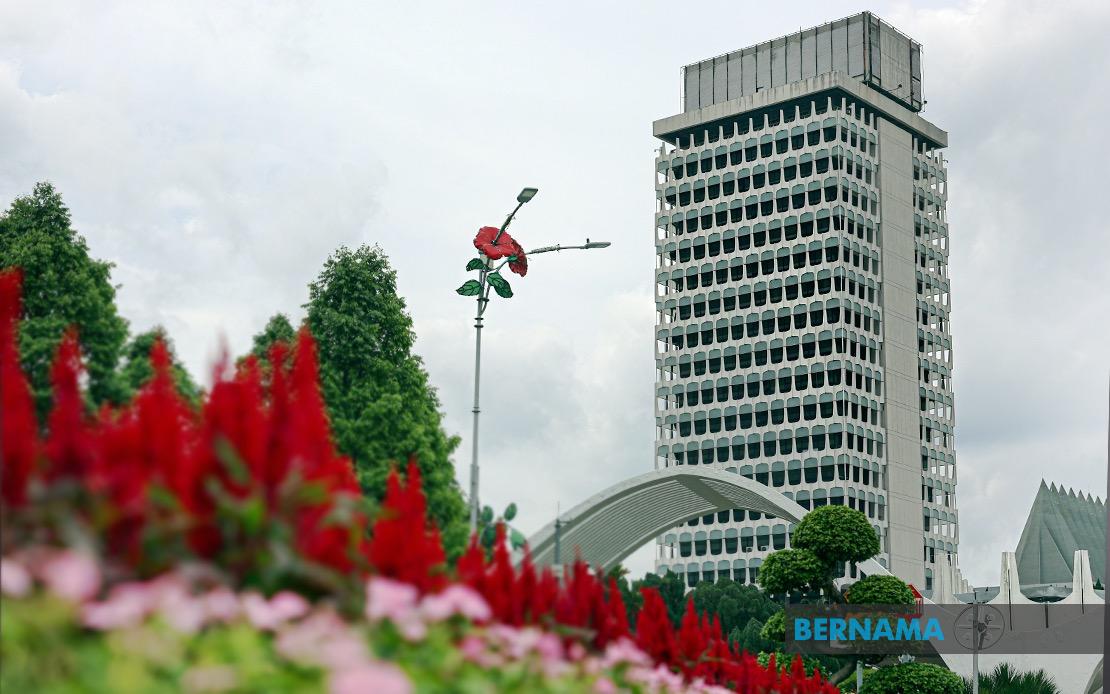
Lawmakers in the Dewan Rakyat are set to interrogate the federal government's capacity to withstand the impending El Niño weather system, which poses a significant threat to the nation's agricultural production and food supply chains. The parliamentary sitting on July 16 will bring ministers before Members of Parliament to account for their contingency strategies as drought conditions linked to the climate phenomenon bear down on the region. The agricultural sector, which remains vital to Malaysia's food independence and rural livelihoods, faces potential disruption if the government has not adequately stockpiled resources and formulated distribution protocols.
Bakti Jamaluddin, representing the Tangga Batu constituency under the Barisan Nasional coalition, will press the Agriculture and Food Security Minister for detailed information about governmental preparedness. His questioning will probe multiple dimensions of vulnerability, particularly irrigation infrastructure capacity, paddy field resilience, broader crop production forecasts, and the adequacy of livestock feed supplies should the dry spell persist. These interconnected concerns reflect a comprehensive understanding of how cascading agricultural failures can destabilise food prices and availability across the nation. Malaysia's vulnerability to climate-induced agricultural shocks has become increasingly apparent in recent years, making such parliamentary oversight essential.
Another critical matter commanding parliamentary attention is a hand grenade explosion that occurred during a Malaysian Armed Forces training exercise. Datuk Mohd Isam Mohd Isa from Tampin will direct questions to the Defence Minister regarding the incident's underlying causes and the immediate corrective measures implemented to fortify safety protocols. Training accidents within military establishments raise serious questions about risk management, equipment maintenance, and whether standard operating procedures are being rigorously enforced. The public disclosure of such incidents in parliament reflects institutional accountability mechanisms, though the specifics of what transpired and whether systemic failures are at fault remain unclear from preliminary reports.
The Defence Ministry's response will be closely watched, as training fatalities or injuries erode public confidence in the armed forces' operational competence. Strengthening safety procedures is not merely an administrative exercise but a fundamental obligation to protect servicemen and women from preventable harm. The incident underscores the need for regular audits, updated equipment, and training regimes that prioritise personnel safety without compromising operational effectiveness. Given Malaysia's defence posture in a contested regional environment, maintaining a professional and safety-conscious military culture is paramount.
Parliament will also examine governance reforms at the Kuala Lumpur City Hall following a feasibility study on the Federal Capital Act 1960. Tan Kok Wai, representing the Cheras constituency under the Pakatan Harapan coalition, will seek clarification on administrative and governance restructuring at the municipal level. Such inquiries into DBKL's future framework touch on service delivery, institutional integrity, and how metropolitan governance can better serve the city's increasingly diverse population. The capital city's administrative efficiency directly influences public satisfaction and economic vitality.
The parliament will also hear concerns regarding the proliferation of deviant Islamic teachings within Malaysia's Muslim population. Sabri Aziz from the Jerai constituency will interrogate the government about intervention strategies and faith-strengthening programmes aimed at individuals who have adopted heterodox interpretations of Islam. This line of questioning reflects persistent anxieties about religious extremism and the government's capacity to counter theological radicalisation through education and community engagement rather than enforcement alone.
A parallel public health concern will dominate another parliamentary exchange, with Datuk Dr Richard Rapu seeking updated epidemiological data on non-communicable diseases through 2026. The troubling trend of diabetes and hypertension among individuals under 30 years old signals a generational health crisis that demands urgent policy intervention. Early-onset metabolic disorders traditionally associated with ageing populations now manifest in young Malaysians at alarming rates, suggesting dietary habits, sedentary lifestyles, and metabolic stress are reshaping disease patterns across the nation.
The Health Minister will face scrutiny regarding the effectiveness of the War on Sugar campaign and sugar taxation measures in curbing obesity rates. These public health initiatives represent attempts to address lifestyle diseases through fiscal policy and behaviour modification. The parliamentary inquiry will assess whether such measures are achieving measurable results or whether more aggressive interventions are required. Rising obesity among the young directly correlates with future healthcare expenditure, lost productivity, and compromised quality of life, making this fiscal and health policy question genuinely consequential for Malaysia's long-term demographic and economic prospects.
The tabling of the National Trust Fund Bill 2026 for second reading by the Finance Minister will also feature in today's parliamentary agenda. This legislation presumably addresses mechanisms for managing public assets and resources for intergenerational benefit. The specifics of the bill remain peripheral to the dominant policy questions, yet financial stewardship and trust-based resource management remain foundational to sound governance.
This parliamentary sitting marks the conclusion of the Second Meeting of the Fifth Session of the 15th Parliament, a 16-day period encompassing substantial policy reviews. The convergence of questions spanning agricultural resilience, military safety, municipal governance, religious cohesion, public health, and fiscal policy illustrates the breadth of challenges confronting Malaysian policymakers. These parliamentary exchanges, while sometimes dismissed as procedural, provide essential mechanisms for elected representatives to demand ministerial accountability and ensure that government agencies are adequately prepared for foreseeable threats to national welfare and security.

