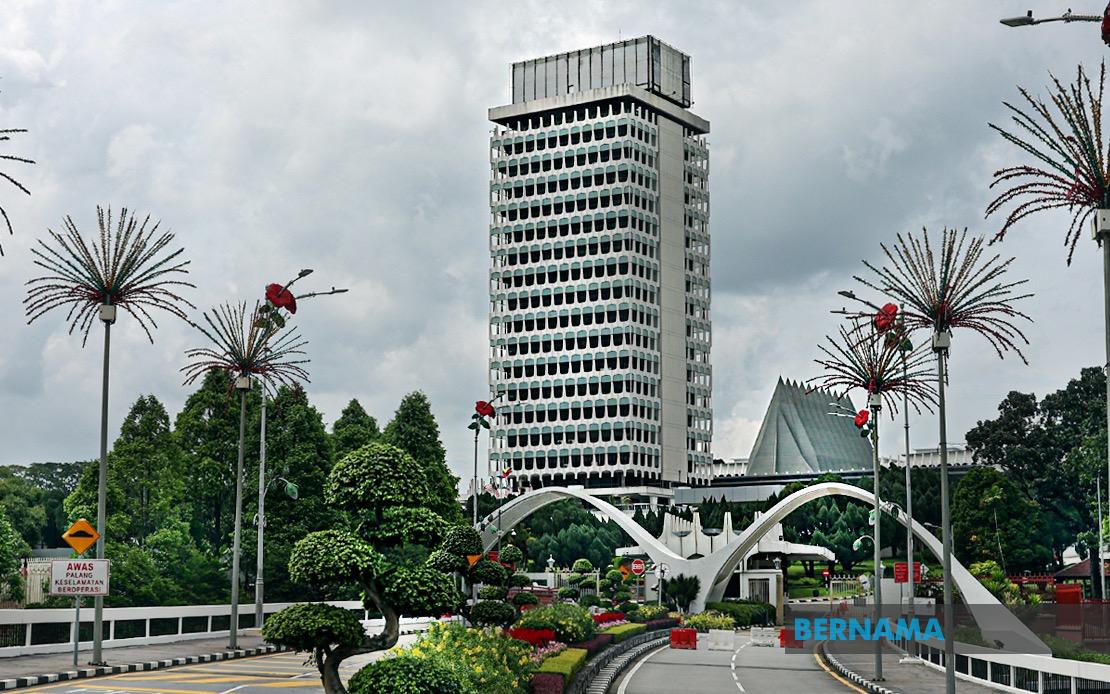
Parliament reconvenes today with a notably diverse legislative agenda spanning digital governance, education security, and economic relief for vulnerable business sectors. Among the priority matters on the Order Paper, lawmakers will scrutinise the government's progress in developing subsidiary instruments under the newly enacted Online Safety Act 2025, signalling growing parliamentary attention to Malaysia's digital regulation framework at a critical implementation stage.
Rodziah Ismail, the Ampang representative from Pakatan Harapan, will press the Communications Minister for comprehensive details on ten subsidiary instruments—encompassing regulations and guidelines—currently being developed to operationalise the Online Safety Act 2025. Her questions will focus on the regulatory objectives underpinning these instruments, their key provisions, the breadth of their scope, and the timeline for completion. This line of inquiry reflects legitimate concerns about the pace and coherence of digital governance in Southeast Asia's fifth-largest economy, where online platforms have become central to commerce, political discourse, and social connectivity. The development of subsidiary instruments is crucial because the parent legislation, without accompanying rules and guidelines, remains a skeletal framework. These daughter instruments will determine how platforms moderate content, how data privacy is enforced, and how regulators can act against harmful conduct—matters with profound implications for both ordinary Malaysians and the technology sector.
School safety emerges as another critical concern, with Roslan Hashim from Perikatan Nasional querying the Education Minister about protective measures across the nation's school system. His focus encompasses pupil security, accident prevention, anti-bullying programmes, and broader threat mitigation within school environments. This parliamentary attention reflects rising public anxiety about student welfare, particularly following high-profile incidents in recent years. The question probes whether current safeguards are adequate and coordinated, touching on physical infrastructure safety, mental health support, and the effectiveness of existing protection protocols. For Malaysian parents and educators, this scrutiny signals that parliamentary representatives are alive to the multifaceted vulnerabilities that schools face—from structural hazards to psychological harm.
Economic hardship stemming from geopolitical instability in West Asia will also feature prominently. Datuk Andi Muhammad Suryady Bandy, representing Kalabakan in Sabah, will ask the Finance Minister about immediate relief measures for small traders, hawkers, and micro, small and medium enterprises struggling under elevated logistics costs and fractured supply chains. The prolonged crisis in West Asia has rippled across global commerce, and Malaysia's retail and food service sectors—dominated by owner-operators and family businesses—have felt the strain acutely. Pressure on margins, delayed shipments, and uncertainty about raw material costs have squeezed already-thin profit buffers. This parliamentary question underscores the need for targeted fiscal or operational support to prevent business failures in communities where these enterprises are economic anchors.
Transport infrastructure development will also come under parliamentary review. Datuk Seri Dr Wee Ka Siong, the Ayer Hitam representative, will request an update on the Johor Elevated Autonomous Rapid Transit (E-ART) project. This ambitious proposal for autonomous rapid transit in Johor represents a significant commitment to modernising regional transportation. Parliamentary scrutiny of implementation status is essential given the project's scale, its impact on Johor's economic corridors, and the public investment involved. Timely progress reports help ensure accountability and allow lawmakers to identify bottlenecks or resource constraints early.
Road safety improvements will also come under questioning, with Zakri Hassan from Kangar seeking justification from the Works Minister on the implementation of what the Order Paper indicates as a specific road safety initiative, though the original text appears incomplete. This reflects an ongoing parliamentary focus on reducing Malaysia's road fatality rates, which remain stubbornly high by regional standards and represent a significant public health challenge.
Healthcare delivery in Sabah features on the agenda as well. Datuk Shahelmey Yahya from Putatan will ask the Health Minister whether the government's fiscal adjustment policies pose risks to the healthcare delivery ecosystem and the development of public health infrastructure in Sabah. This question is particularly pertinent for Sabah, where geographic dispersal, limited specialised facilities, and economic constraints already strain healthcare provision. Parliamentary concern about fiscal measures potentially hampering public health development reflects recognition that belt-tightening exercises, while sometimes necessary, can have unintended consequences if not carefully calibrated.
Cybersecurity considerations linked to social media regulation will also surface. Riduan Rubin, the independent member for Tenom, will pose questions to the Home Affairs Minister about national cybersecurity risks should a minimum age requirement of 16 for social media use be implemented. This inquiry signals thoughtful concern about unintended consequences of age-gating policies—whether restricting access might drive younger users to unregulated platforms, whether identity verification mechanisms create privacy exposures, or whether compliance monitoring requires new surveillance infrastructure. Balancing child protection with cybersecurity is a genuine policy tension.
Parallel to the oral questions, parliament will also table the Competition (Amendment) Bill 2026 for its second reading. This legislative step represents an opportunity to strengthen Malaysia's competitive framework, refine merger thresholds, or expand the Malaysia Competition Commission's powers—matters with direct relevance to consumer welfare and market fairness across the economy.
The Fifth Session of the 15th Parliament is scheduled to run for 16 days through July 16, providing ample sitting time for these diverse matters. The breadth of today's agenda—spanning digital governance, education, economic relief, infrastructure, healthcare, cybersecurity, and competition law—reflects the complexity of modern governance and parliament's role in holding government accountable across multiple policy domains. For Malaysian stakeholders, these proceedings offer a window into the priorities and preoccupations of elected representatives and signal which issues command legislative attention in the coming months.

