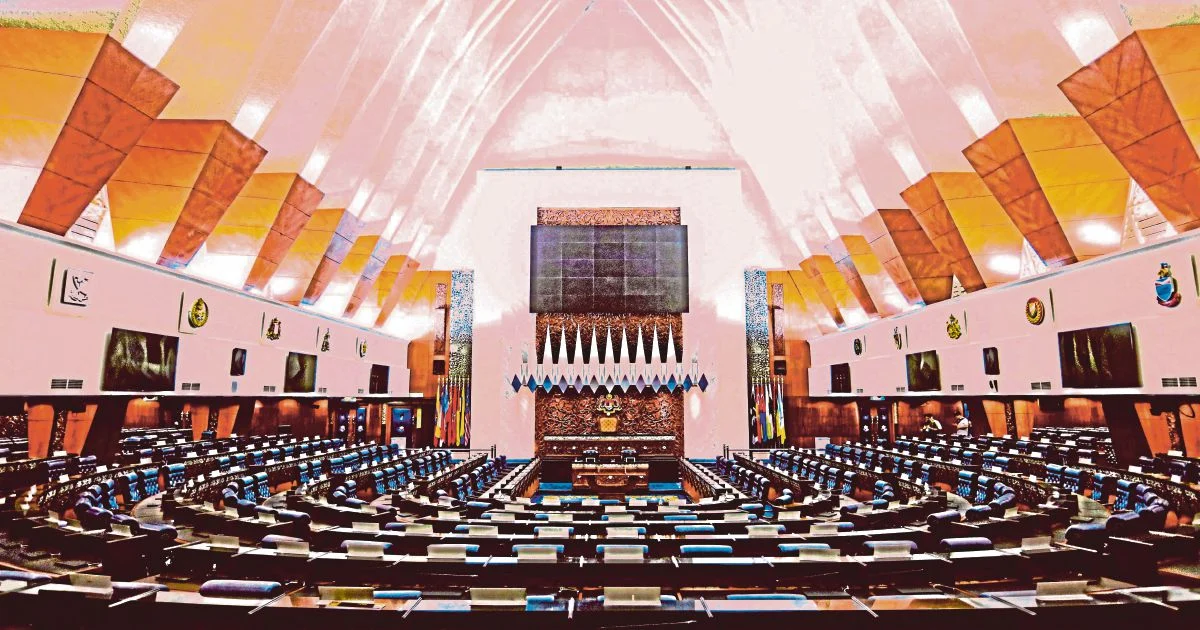
Lawmakers gathering in the Dewan Rakyat today will focus on two significant challenges shaping Malaysia's economic and geopolitical landscape: the advancement of the Malaysia-Thailand Border Economic Zone and the ramifications of the escalating tensions in the Strait of Hormuz for regional trade flows and energy security.
The Malaysia-Thailand Border Economic Zone represents a pivotal infrastructure initiative designed to deepen commercial integration between the two countries and unlock economic potential in the northern frontier region. The project aims to establish a framework that facilitates cross-border investment, simplifies customs procedures, and encourages bilateral business partnerships in areas spanning manufacturing, agriculture, logistics, and tourism. By streamlining regulatory barriers and promoting seamless trade corridors, the zone could catalyse development in Perlis and surrounding districts while positioning Malaysia as a gateway for Thai businesses seeking access to broader Southeast Asian markets. Parliamentary scrutiny of the BEZ's implementation timeline and institutional mechanisms will help assess whether government agencies are meeting established benchmarks and adequately coordinating with Thai counterparts to realise the initiative's commercial objectives.
The Strait of Hormuz crisis, meanwhile, looms as an immediate concern for Malaysia's maritime economy and supply chain resilience. Through this vital chokepoint between Iran and Oman, approximately one-third of the world's seaborne petroleum trade transits daily, making it indispensable for global energy markets and the prosperity of trading nations like Malaysia that depend on stable oil supplies and predictable shipping routes. Escalating geopolitical tensions in the region have increased insurance premiums for vessels, rerouted shipping lanes, and created uncertainty that reverberates across Southeast Asian ports, manufacturing sectors, and consumer prices. Malaysian lawmakers will likely question the government's contingency planning, diplomatic initiatives, and coordination with regional neighbours to mitigate economic exposure and secure national interests amid this protracted instability.
For Malaysian policymakers and business stakeholders, the Hormuz situation underscores the nation's vulnerability to distant crises that destabilise global energy markets and disrupt supply chains. Malaysia's petrochemical, automotive, and manufacturing industries depend on reliable access to crude oil at predictable prices; prolonged Middle East instability threatens production costs and export competitiveness. Shipping companies operating out of Malaysian ports face elevated operational risks, while retailers and consumers experience upward pressure on fuel and goods prices when crude-related costs rise. The parliamentary debate will likely explore whether Malaysia should diversify energy sources, strengthen engagement with non-Middle Eastern suppliers, or deepen coordination with regional partners to collectively navigate shipping disruptions.
The simultaneous examination of these two issues reflects the interconnected nature of modern economic challenges facing Malaysia. While the Border Economic Zone represents an opportunity to harness localized growth through enhanced Thailand cooperation, the Hormuz crisis illustrates how distant geopolitical upheavals can undermine economic progress and inflate input costs across multiple sectors. Balancing these concerns requires comprehensive policy responses that address both regional integration and global risk management. Parliamentarians will expect the government to articulate clear strategies for advancing the BEZ while simultaneously building economic resilience against international shocks.
The Malaysia-Thailand Border Economic Zone has garnered substantial political attention from both governments in recent years as a mechanism for post-pandemic recovery and long-term bilateral prosperity. Successful implementation could attract multinational corporations, generate employment in border communities, and enhance the region's competitiveness within ASEAN supply chains. However, infrastructure gaps, regulatory harmonization challenges, and the need for coordinated marketing efforts have slowed execution. Today's parliamentary discussion will provide an opportunity to scrutinize project management, allocated budgets, and realistic timelines for operational launch, ensuring public expectations align with actual deliverables.
The Strait of Hormuz crisis, by contrast, demands urgent attention to immediate economic threats. Recent incidents involving vessel seizures, naval confrontations, and sabotage accusations have heightened global anxiety about maritime freedom and energy security. Malaysian parliamentarians will want assurances that the government is coordinating with international bodies, regional navies, and diplomatic channels to reduce tensions and protect Malaysian-flagged vessels navigating these waters. Discussions may also focus on whether Malaysia should join multinational shipping protection initiatives or strengthen its own naval capabilities to safeguard national interests in contested waters.
From a Malaysian perspective, these two agenda items encapsulate distinct yet complementary challenges: internal regional cooperation and external geopolitical risk management. The Border Economic Zone symbolizes Malaysia's commitment to South-South cooperation and sustainable growth through intra-ASEAN partnerships, particularly with Thailand, a key trading partner and neighbour. The Hormuz crisis, conversely, highlights how Malaysia's open economy and reliance on global trade expose the nation to volatility in distant regions beyond immediate policy influence. Parliamentary discourse on both matters will shape public understanding of government priorities and the strategic vision guiding Malaysia's economic and diplomatic positioning in coming years.

