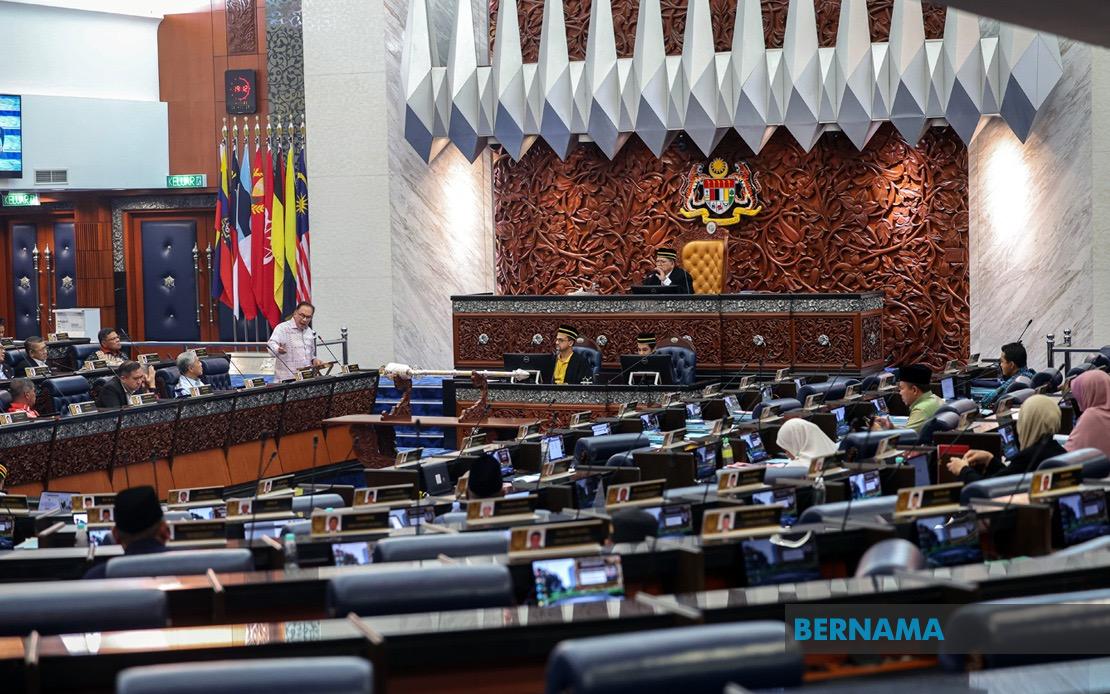
The Dewan Rakyat has emerged as a forum for unprecedented consensus on combating child sexual exploitation, with legislators across party lines advancing concrete proposals to fortify Malaysia's legal and enforcement architecture during deliberations on the Sexual Offences Against Children (Amendment) Bill 2026. The parliamentary debate reflects growing recognition that protecting vulnerable children demands coordinated action spanning multiple agencies and jurisdictions, particularly as predators increasingly exploit digital platforms and cross-border anonymity to evade accountability.
A central theme threading through parliamentary speeches concerns Malaysia's vulnerability to becoming a location for crimes if enforcement mechanisms remain fragmented or legal gaps persist. Abd Ghani Ahmad, representing PN-Jerlun, articulated this concern by highlighting Malaysia's underutilisation of existing international frameworks. He emphasised that the Mutual Legal Assistance mechanism and extradition treaties offer pathways to pursue perpetrators who operate remotely, orchestrating abuse while sheltering in jurisdictions with weaker oversight. Without aggressive deployment of these tools, he warned, Malaysia risks becoming a marketplace for transnational predatory networks that treat the nation as a safe operational base.
The necessity for institutional coordination emerged repeatedly as lawmakers described the fragmentation hampering current efforts. Abd Ghani's proposal that the Royal Malaysia Police, Immigration Department, Attorney-General's Chambers, Department of Social Welfare, hospitals, and schools function as an integrated ecosystem reflects a sophisticated understanding of how modern crimes transcend single-agency authority. When digital evidence must be preserved, victim statements documented, and prosecution strategy developed simultaneously, siloed operations inevitably produce delays and evidentiary failures that criminals exploit.
Datuk Seri Doris Sophia Brodi, GPS member for Sri Aman, expanded this analysis by proposing a dedicated task force exclusively focused on digital sexual crimes against children. Her intervention signalled parliamentary awareness that online grooming and child sexual abuse material present distinct investigative challenges requiring specialists in cybercrime, digital forensics, and online predator psychology. She additionally advocated for preventative education, stressing that parents and educators require literacy in recognising grooming patterns and exploitation signals that emerge through seemingly innocuous online interactions.
The victim-centred component of parliamentary discourse distinguished this debate from purely enforcement-oriented discussions. Datuk Mas Ermieyati Samsudin, PN-Masjid Tanah, articulated a vision extending far beyond apprehending offenders. She proposed establishing a specialised prosecution unit, augmenting child psychology expertise within public health systems, and creating dedicated financial assistance funds addressing the multifaceted recovery needs of survivors. This approach acknowledges that trauma from sexual abuse produces lasting psychological, financial, and social consequences that rehabilitation systems must address comprehensively and over extended periods.
Young Syefura Othman's proposal for a controlled-access National Child Sexual Offender Registry represents a practical mechanism for translating convictions into preventative action. By creating a database accessible to schools, daycare operators, and welfare institutions, Malaysia could implement mandatory background screening preventing convicted offenders from securing positions providing unsupervised child access. Her broader recommendation that background checks become mandatory across all youth-serving organisations—from tahfiz centres to sports clubs—signals parliamentary recognition that predators exploit institutional trust and positional authority across diverse settings.
The amendment to the Sexual Offences Against Children Act 2017 addresses a critical jurisdictional gap that previously constrained prosecution. Malaysian courts historically faced constraints in pursuing individuals for offences committed beyond territorial boundaries, enabling perpetrators to commit abuse involving Malaysian victims while remaining geographically beyond enforcement reach. Expanding extraterritorial jurisdiction ensures that Malaysian nationality or victim status triggers investigative and prosecutorial authority regardless of crime location, fundamentally reshaping predators' risk calculus.
RSN Rayer's emphasis on strengthening domestic investigative capacity reflects a parallel understanding that expanded legal authority proves meaningless without corresponding resource allocation. If the investigative teams handling child sexual crime cases operate at existing staffing levels despite expanded caseloads and jurisdictional scope, the system risks creating a gap between legal authority and operational capacity. Parliament's receptiveness to enhanced investigative resources suggests emerging consensus that child protection represents a spending priority meriting budget reallocation from less critical functions.
The debate's bipartisan character—with government and opposition members advancing complementary proposals—signals that child protection has transcended partisan division. Both sides recognised that predators respect no political boundaries and that fragmented responses along party lines serve perpetrators' interests more than children's safety. This consensus, if translated into implementation, could produce sustained institutional change resistant to electoral cycles and leadership transitions that often undermine long-term policy commitments.
Parliamentary deliberations also implicitly acknowledged that Malaysia's regional location and economic development create particular vulnerabilities. As a regional hub with significant digital infrastructure, international connectivity, and vulnerable populations, Malaysia attracts transnational criminal networks while simultaneously possessing the institutional capacity for sophisticated responses. The legislative agenda emerging from these debates positions Malaysia potentially as a regional leader in child protection standards, influencing neighbouring jurisdictions through both norm-setting and practical cooperation frameworks.
Implementation of these proposals would require coordinated action extending beyond legislative amendment. Prosecutorial training in digital evidence handling, police acquisition of cybercrime capabilities, interagency protocols establishing information-sharing procedures, and victim support infrastructure expansion all demand budget commitments and bureaucratic restructuring that extend beyond the parliamentary session. The success of these initiatives depends on whether government agencies translate parliamentary intent into sustained operational changes with adequate resource allocation and accountability mechanisms.
As 26 lawmakers participated in the afternoon debate before parliamentary adjournment, the legislative process continues toward final passage. The breadth of proposals—spanning international cooperation, domestic task forces, prosecution specialisation, victim rehabilitation, offender registries, and institutional background screening—indicates that Malaysian parliamentarians have developed a comprehensive vision for child protection. Whether this legislative momentum translates into functional institutional reform will determine whether parliamentary debate represents a turning point in Malaysian child safety or remains an expression of intent unfulfilled by implementation constraints.

