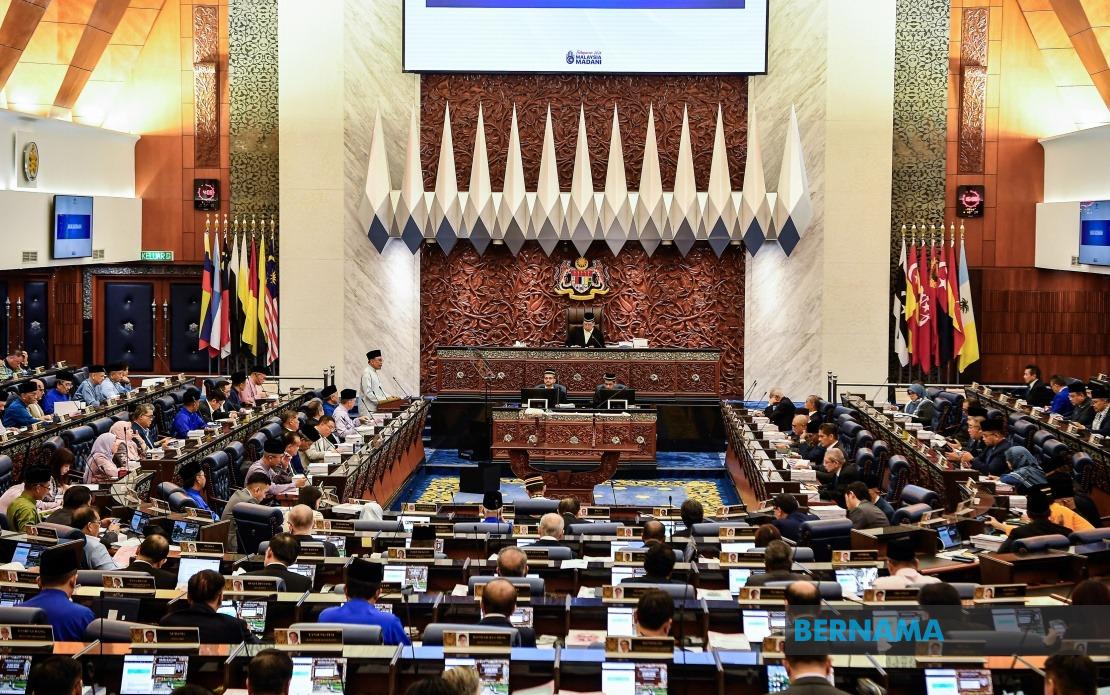
The Dewan Rakyat has endorsed the Cybercrimes Bill 2026, marking a significant step in Malaysia's efforts to establish a modern legal framework for addressing digital crimes. Passed on July 1 through a voice vote following debate among 48 legislators from both government and opposition benches, the comprehensive 61-clause legislation sets out penalties and offences specifically targeting the creation and distribution of deepfakes and non-consensual intimate images produced through advanced computational methods.
The passage of this bill represents recognition by Malaysian lawmakers of a growing threat in the digital ecosystem. Deepfakes—synthetic media created using artificial intelligence and machine learning—have proliferated globally, with potential consequences ranging from harassment and fraud to election interference and reputational damage. Similarly, the non-consensual distribution of intimate images digitally manipulated to depict real individuals has emerged as a serious form of online abuse, particularly affecting women. By codifying these offences into law, Malaysia joins jurisdictions worldwide in attempting to deter and prosecute perpetrators of such crimes.
Deputy Prime Minister Datuk Seri Dr Ahmad Zahid Hamidi presented a critical assurance during the bill's conclusion, emphasising that the legislation does not vest unlimited authority in law enforcement agencies nor does it supersede existing legal instruments such as the Official Secrets Act 1972. This clarification appears directed at concerns from civil liberties advocates who have historically warned that vague cybercrime statutes can be weaponised against legitimate speech and journalism. The government's explicit statement that the bill operates within a framework of checks, balances, and rigorous legal procedures suggests an attempt to balance security imperatives with constitutional protections.
The mechanisms for accessing computer systems and data under the new law are subject to procedural constraints designed to prevent misuse. Authorities cannot unilaterally demand access to digital information; instead, investigating officers must first establish reasonable grounds that such data is necessary for an active investigation and that there exists genuine risk of deletion, alteration, or destruction without immediate intervention. This requirement mirrors international best practices where judicial oversight or high evidentiary thresholds guard against fishing expeditions or mass surveillance.
Regarding the disclosure of stored computer data, the government has stipulated that access may occur solely through formal written notice directed to the data owner or controller. Moreover, this disclosure authority extends only where a lawful investigation justifies such action. These procedural requirements theoretically prevent authorities from coercing technology platforms or service providers to hand over user information without proper legal process, though enforcement of such protections will depend on judicial vigilance and institutional commitment.
For Malaysia's technology sector and digital economy, the bill's passage carries both operational and strategic implications. Service providers and platforms operating domestically must now ensure compliance with the new offence categories and reporting obligations, necessitating investment in content moderation, threat detection, and evidence preservation systems. International tech companies already subject to similar laws elsewhere will find the Malaysian framework somewhat familiar, though comparative analysis of specific provisions against European, Australian, and Singapore cybercrime laws will likely occupy legal teams in coming months.
The timing of this legislation also reflects regional dynamics. Southeast Asian governments have increasingly sought to regulate online content and digital crimes as internet penetration and social media usage have surged. Singapore's Protection from Online Falsehoods and Manipulation Act and Indonesia's Law on Electronic Information and Transactions have similarly expanded state authority over digital conduct. Malaysia's bill enters this regional landscape, and its implementation will likely influence how neighbouring nations calibrate their own cybercrime statutes.
Civil society responses to the bill's passage remain mixed. While acknowledging the genuine harms posed by deepfakes and image-based abuse, digital rights organisations have expressed wariness about potential overreach. The definition of relevant offences, enforcement discretion, and the adequacy of judicial review mechanisms in practice will determine whether the legislation achieves its intended protective effect without chilling legitimate online expression or enabling political suppression. These concerns are not unique to Malaysia; they persist in global debates over cybercrime legislation.
The practical effectiveness of the Cybercrimes Bill 2026 will ultimately depend on prosecutorial capacity, judicial training, and platform cooperation. Malaysia's courts will need to develop jurisprudence around novel offences, particularly in cases involving technical evidence and AI-generated content. Law enforcement agencies must build expertise in digital forensics and investigation. Technology platforms will need to balance compliance with user privacy and service continuity. These institutional and operational challenges often prove more consequential than legislation itself.
For ordinary Malaysians, the bill signals that the government recognises online harassment, image-based abuse, and manipulated media as criminal matters warranting legal redress. Victims of deepfake pornography or non-consensual intimate image sharing may gain a dedicated statutory remedy rather than relying on more general defamation or harassment laws. This development potentially empowers individuals to seek recourse, though accessibility of courts, evidentiary burdens, and enforcement capability remain variable across Malaysia's varied geography and resources.
Moving forward, the bill's success will hinge on transparent implementation, regular oversight, and mechanisms for the public to report implementation concerns. As Malaysia's digital landscape continues to evolve—with emerging technologies like generative AI creating fresh challenges—the legislative framework must remain adaptable while remaining anchored to constitutional principles of privacy and freedom of expression.

