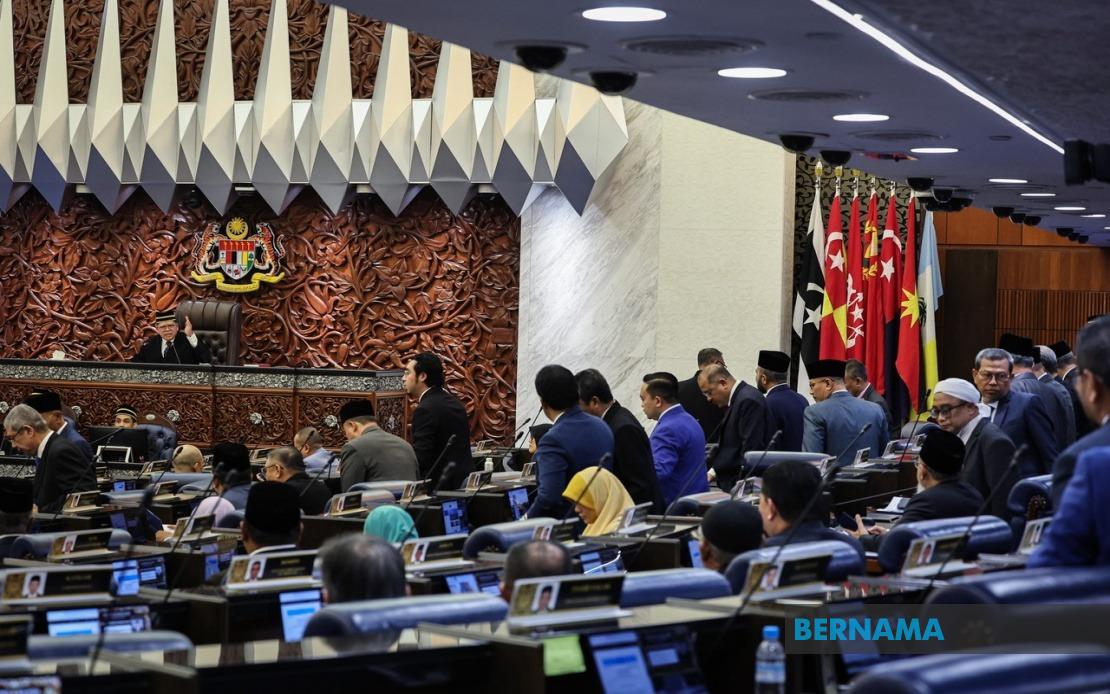
Parliament convened in an extraordinary session on August 11 to examine the Royal Commission of Inquiry report on Lembaga Tabung Haji, signalling the government's commitment to public scrutiny of the hajj fund's operations. The special sitting, initiated following a formal request from Prime Minister Datuk Seri Anwar Ibrahim, provided lawmakers from across the political spectrum with the opportunity to dissect the RCI's findings and hold administrators accountable for their stewardship of pilgrim savings.
Speaker Tan Sri Johari Abdul framed the proceeding as a demonstration of parliamentary confidence in the investigative process, noting that the chamber had deliberately created space for comprehensive discussion of matters affecting millions of Malaysian Muslims who entrust their hajj funds to Tabung Haji. By facilitating debate rather than merely presenting a report for record, Parliament positioned itself as an institution capable of responding to public concern about governance failures that may have occurred within the pilgrim fund's management structures.
The convening of this special sitting rested on Standing Order 11(3) of the Dewan Rakyat's procedural rules, which permits extraordinary sessions when the Prime Minister deems urgent parliamentary attention necessary. Speaker Johari emphasized that his decision to approve the request reflected adherence to established parliamentary protocols rather than discretionary political judgment, underlining the institutional neutrality expected of his office. This procedural foundation gave the session formal legitimacy and ensured that deliberations would occur within recognized legislative frameworks.
The RCI investigation into Tabung Haji represents one of the most comprehensive official examinations of the fund's decades-long operational history. For Malaysian Muslims—particularly the estimated 1.7 million account holders—the inquiry outcomes carry profound implications regarding the safety and management of resources designated for one of Islam's fundamental pillars. The special parliamentary debate thus transformed what might have remained a technical administrative review into a matter of public governance requiring elected representatives' explicit engagement.
Parliament's approach reflects evolving expectations around transparency in Malaysia's public institutions. Rather than permitting findings to circulate through official channels without legislative scrutiny, the government opted for open debate, signalling recognition that significant institutional failures demand democratic accountability. This aligns with recent governance reforms emphasizing that publicly entrusted funds warrant parliamentary oversight beyond ministerial briefing.
The participation of opposition and government MPs in a unified discussion forum created opportunity for cross-party examination of RCI conclusions. Malaysia's plural parliamentary system benefits from such arrangements when complex institutional problems require assessment from multiple political perspectives. The debate framework enabled lawmakers to probe not only what went wrong within Tabung Haji but also to evaluate whether recommended remedies address systemic vulnerabilities adequately.
For the broader Southeast Asian region, Malaysia's parliamentary handling of the Tabung Haji inquiry carries relevance to ongoing debates about governance standards in Muslim-majority democracies. Institutions managing religiously significant funds face particular scrutiny when mismanagement emerges, as they occupy spaces where public trust, religious obligation, and financial responsibility intersect. The willingness to subject such institutions to parliamentary examination demonstrates that Islamic governance principles need not conflict with democratic accountability mechanisms.
Speaker Johari's emphasis on transparency in governance addressed a governance challenge that transcends Tabung Haji specifically. Public institutions throughout Malaysia have faced criticism regarding accountability mechanisms and reporting standards. By facilitating extensive parliamentary debate on the RCI findings, rather than limiting discussion, Parliament signalled that transparency serves institutional legitimacy better than restricted information flow or delayed public discussion.
The ministerial briefing that followed the parliamentary debate represented the culmination of months of investigative work. The RCI's examination had addressed operational practices, financial management, investment strategies, and administrative oversight within Tabung Haji. The briefing would have provided specific detail regarding the inquiry's conclusions and recommendations for institutional reform, following the contextual debate that preceded it.
For account holders and their families, parliamentary engagement with the RCI report offered assurance that elected representatives had directly engaged with findings affecting their hajj savings. This direct legislative attention to institutional failure serves important functions beyond procedural correctness: it communicates to citizens that breaches of public trust receive serious political attention and that remedies will proceed through formal governance channels rather than remaining confined to administrative processes.
Moving forward, the parliamentary debate will likely inform legislative responses to the RCI recommendations. Potential reforms to Tabung Haji's governance structure, financial controls, and accountability mechanisms may require statutory amendment. The extensive parliamentary discussion created a foundation for subsequent legislative action, ensuring that any reforms emerging from the inquiry would reflect deliberation across Malaysia's political parties.
The special sitting also established precedent for how Parliament addresses major institutional inquiries. By allocating dedicated debate time and inviting comprehensive discussion from both government and opposition benches, the chamber demonstrated that significant governance challenges warrant extended parliamentary attention. This approach strengthens parliamentary institutions by positioning them as forums for genuine deliberation rather than merely ceremonial sites for government announcements.
Ultimately, the Dewan Rakyat's handling of the Tabung Haji RCI report reflects institutional maturation in Malaysia's democracy. The combination of rigorous independent inquiry, comprehensive parliamentary debate, and transparent governance signals confidence that democratic institutions can address institutional failures effectively. For Malaysian citizens concerned about protecting public resources and ensuring accountability from those entrusted with managing them, such parliamentary engagement provides measurable evidence that governance mechanisms function when institutions are tested.

