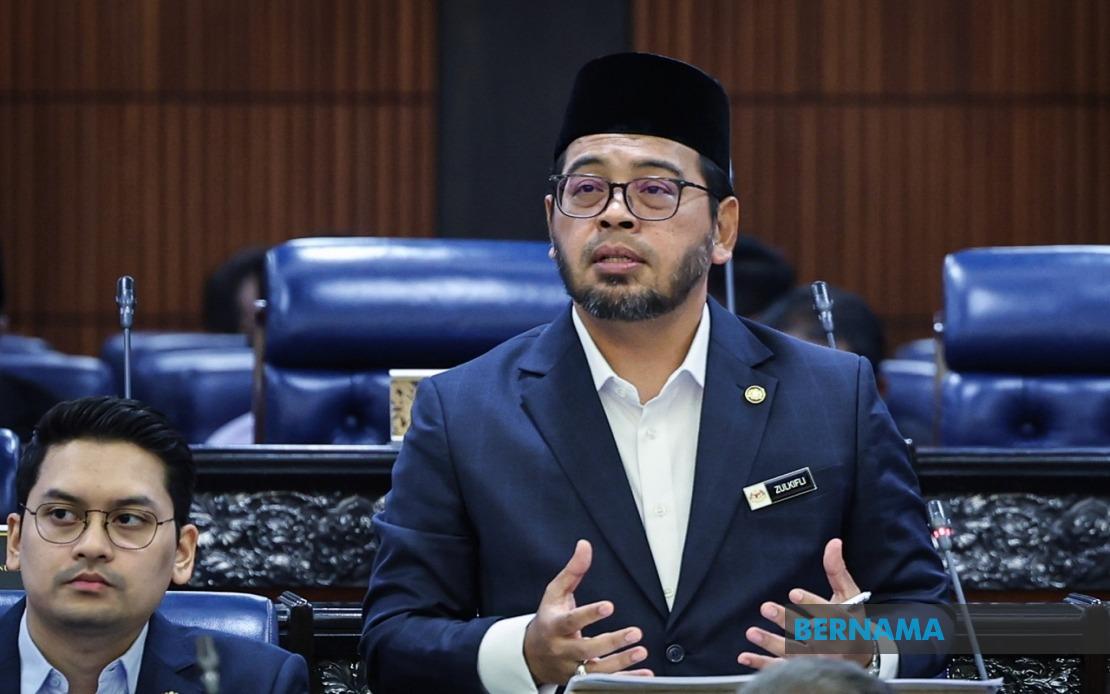
Parliament held an extraordinary sitting on the governance failures at Lembaga Tabung Haji (TH), with lawmakers pushing for comprehensive institutional overhaul and personal accountability for those responsible for substantial financial losses affecting more than 10 million Muslim depositors across Malaysia. The marathon debate, lasting over 10 hours, underscored deep parliamentary concern about past mismanagement and the urgent need to prevent similar governance collapses in the future.
The discussion centred on implementing the 25 recommendations contained in the Royal Commission of Inquiry report, which examined TH's operations between 2014 and 2020. As of late July, the institution had already implemented 75 per cent of these recommendations, though MPs stressed that legislative and systemic changes remained essential to embed accountability into the institution's DNA. The appetite for reform reflects broader anxieties within Parliament about whether TH can genuinely transform itself without fundamental restructuring of its oversight mechanisms and decision-making processes.
Money Minister Datuk Seri Amir Hamzah Azizan disclosed alarming financial details that explain parliamentary urgency. TH suffered nearly RM13 billion in losses across 14 problematic investments, with seven investments resulting in complete write-offs. Of this staggering sum, the government absorbed RM10.2 billion through a 2018 rescue operation via Urusharta Jamaah Sdn Bhd (UJSB), while TH itself bore a further RM2.6 billion in impairment losses between 2018 and 2025 on investments still under its management. The sheer magnitude of these losses prompted legislators to demand mechanisms ensuring such catastrophic failures cannot recur.
One case exemplified how spectacularly TH's investment strategy failed. The Al-Rawda Real Estates Development & Project Management Co Ltd debacle saw 1.4 billion Saudi riyals (approximately RM1.5 billion) paid to an intermediary for arranging hotel leases in Madinah and Makkah for pilgrims. When the arrangement collapsed and rental payments went unpaid, TH was forced to record a complete RM1 billion impairment loss in 2024. This single case illustrated not merely poor investment judgment but fundamental weaknesses in due diligence, contract enforcement, and risk management that lawmakers demanded be addressed through concrete systemic reform.
Dr Zulkifli Hasan, Minister in the Prime Minister's Department overseeing religious affairs, articulated the government's position that institutional strength must rest on systems rather than personalities. He emphasised that clear legal frameworks, processes, controls and governance structures—not individuals—should anchor institutional integrity. This philosophy directly addresses a core parliamentary concern: that TH's previous failures stemmed partly from excessive personal influence and insufficient checks on individual decision-makers. The minister's framing suggests the government recognises that reform requires depersonalising power within the institution.
MPs concentrated particularly on amending the Tabung Haji Act 1995, strengthening investment oversight, and insulating TH leadership from political interference. These three concerns intersect around a central anxiety: whether TH can function as a genuine fiduciary institution accountable to depositors rather than serving as a vehicle for political patronage or personal enrichment. Legislative amendments would theoretically embed these principles in statute, making them harder for future administrations to circumvent through administrative manoeuvre or appointment of compliant leadership.
The question of accountability extended beyond systemic reform to personal consequences. Multiple MPs demanded thorough, transparent investigations into individuals responsible for misconduct or financial losses. The government responded that investigations had already begun, with several individuals detained on allegations involving bribery, abuse of power, and governance violations. However, lawmakers sought assurances that investigations would be comprehensive and uninfluenced by political considerations, reflecting scepticism about whether the enforcement system would pursue accountability impartially across all institutional levels.
Government ministers defended the delay in releasing the RCI report publicly, arguing it allowed TH time to implement recommendations and stabilise its financial condition before facing public scrutiny. This rationale generated parliamentary debate about whether such delays serve institutional interests or shield officials from accountability. The eventual public release on July 29 ended speculation about findings, though MPs questioned whether advance implementation of recommendations represented genuine commitment or merely damage control.
A notable element was opposition MPs' decision to boycott proceedings, drawing accusations that they abandoned their parliamentary duty to scrutinise government. Supporters of this position argued the stakes involved millions of Muslim depositors unable to perform pilgrimage without TH's services, making legislative scrutiny a trust depositors had reposed in Parliament. The haj pilgrimage cost remained frozen at RM33,300 for three consecutive seasons through 2026, contingent on TH's financial stabilisation—itself dependent on successful implementation of reforms and asset recovery.
The government indicated support for establishing a multi-agency task force to investigate investments at risk of future losses, suggesting institutional learning from past failures. This mechanism would theoretically provide early warning systems and coordinated oversight spanning multiple government agencies rather than relying on TH's internal risk management, which had demonstrably failed during the 2014-2020 period. For Malaysian depositors and the broader Muslim community, whether such mechanisms translate into genuine protection remained to be demonstrated through enforcement outcomes.
Parliament's sustained focus on TH governance reflects broader Southeast Asian concerns about managing large institutional funds in environments where political influence and individual authority can compromise fiduciary responsibility. TH manages deposits from millions of Malaysian Muslims preparing for Islamic pilgrimage—a sacred trust encompassing both financial stewardship and religious obligation. The parliamentary debate suggested Malaysian lawmakers recognise that restoring public confidence requires moving beyond accountability gestures toward embedding systemic safeguards that survive changes in political leadership or institutional personnel, establishing TH as an institution genuinely serving depositors rather than accommodating political convenience.

