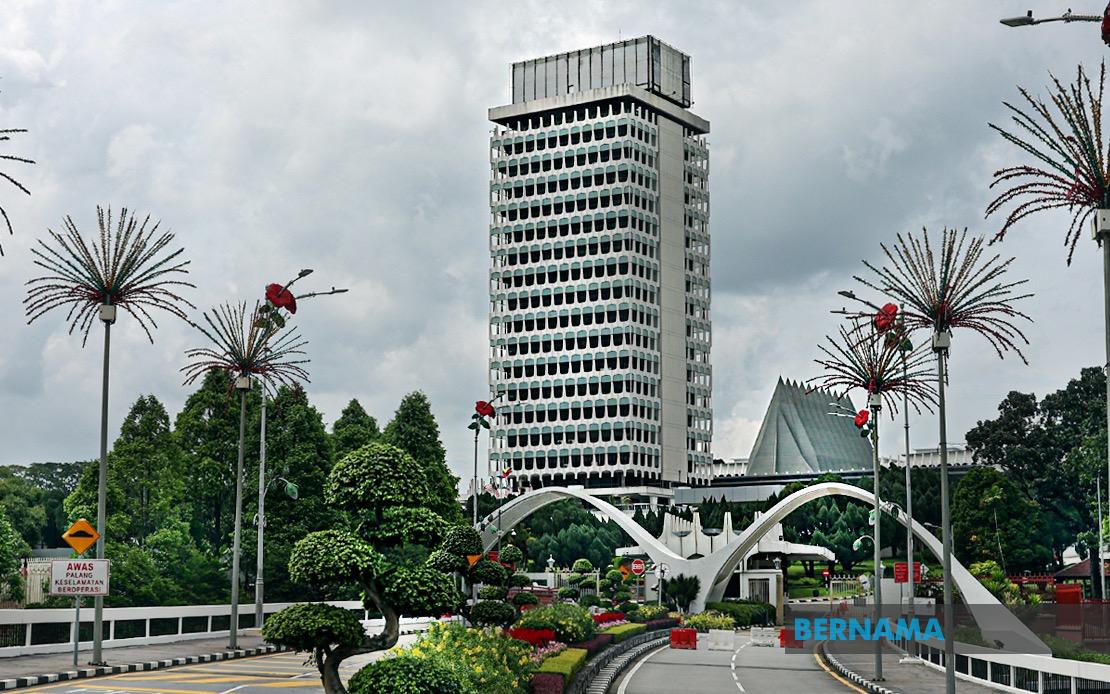
Malaysia's Parliament is turning its attention to two critical national concerns this week: the infrastructure implications of rolling out the East Coast Expressway Phase 3 under a private-sector partnership model, and the escalating public health threat posed by illegal vaping syndicates actively recruiting the nation's youth. Both issues reflect mounting pressure on federal policymakers to balance economic development with social welfare protection.
The question of how to finance and execute the LPT3 project has emerged as a complex technical and political puzzle. Wan Hassan Mohd Ramli, representing Dungun under the Perikatan Nasional banner, will press the Works Minister for clarity on the government's strategic reasoning behind selecting a public-private partnership structure for the expressway. The inquiry cuts to the heart of growing public anxiety regarding toll roads: parliamentarians and constituents alike want assurances that privatisation models do not translate into punitive charges for ordinary motorists already facing cost-of-living pressures. The question also demands specifics on when construction might commence and how long the delivery process will take, factors that affect regional economic planning across Peninsular Malaysia's east coast.
PPP arrangements for infrastructure have become increasingly controversial in Southeast Asia as citizens scrutinise long-term financial commitments. Malaysia's experience with previous toll concessions, some of which proved deeply unpopular, has conditioned the public to view such arrangements with scepticism. The Works Ministry must therefore articulate not only the financial mechanics of the LPT3 PPP but also demonstrate that toll-setting mechanisms include consumer protections and that timeline commitments are realistic rather than aspirational.
The second parliamentary focus addresses a youth crisis that has intensified despite regulatory efforts. Datuk Mas Ermieyati Samsudin from Masjid Tanah will interrogate the Home Minister on enforcement strategies targeting the networks manufacturing and distributing vape products to minors and school populations. This line of questioning reflects alarm among MPs from diverse political backgrounds about the sophistication and reach of underground vaping syndicates. The devices, marketed as safer alternatives to conventional cigarettes, have become endemic in secondary schools nationwide, undermining decades of anti-smoking campaigns.
The vaping issue carries particular urgency because enforcement responses have thus far proved inadequate. While the government has banned certain vaping products and introduced penalties, the black market continues operating with apparent impunity. Syndicates exploit online channels and informal distribution networks to circumvent regulation, making traditional enforcement tools less effective. The parliamentary question signals that legislators are demanding more aggressive and better-coordinated intervention, potentially including cross-agency operations, tighter border controls on imported devices, and harsher sentences for traffickers.
A complementary concern raised by Kuala Lumpur MP P. Prabakaran addresses congestion at Malaysia's international entry points, where immigration clearance delays create bottlenecks that frustrate travellers and compromise the nation's image as a regional business hub. His question to the Home Minister seeks specifics on expediting visa processing and customs procedures. For Malaysia's tourism and investment sectors, efficiency at airports and land borders directly correlates with competitiveness against regional rivals Thailand and Singapore, both of which have invested heavily in streamlined arrival procedures.
Healthcare system efficiency surfaces through Salamiah Mohd Nor's query regarding digital initiatives like MySejahtera and electronic health records. Her focus on whether these platforms have meaningfully reduced congestion at government hospitals reflects mounting frustration with overcrowding in public healthcare facilities. These digital tools represent investments in modernisation, yet their impact remains contested; the parliamentary question signals that constituents and their representatives want concrete evidence of improvements rather than mere technological adoption.
The parliamentary sitting, which commenced today and will extend through July 16, encompasses a full two-week calendar addressing numerous ministerial portfolios. Beyond these specific questions, the Dewan Rakyat will conduct extensive winding-up debates on the Human Rights Commission of Malaysia's annual report and financial statements, examining institutional performance and resource allocation. Such debates provide opportunities for comprehensive scrutiny of government agencies' effectiveness and expenditure.
These parliamentary inquiries collectively illustrate the breadth of challenges confronting Malaysia's federal government: balancing infrastructure ambitions with fiscal responsibility, protecting vulnerable populations from emerging health threats, maintaining competitive international standards for border efficiency, and ensuring public institutions deliver tangible benefits. The responses from relevant ministers will indicate government priorities and the seriousness with which policymakers are addressing these multifaceted concerns that directly affect millions of Malaysians.

