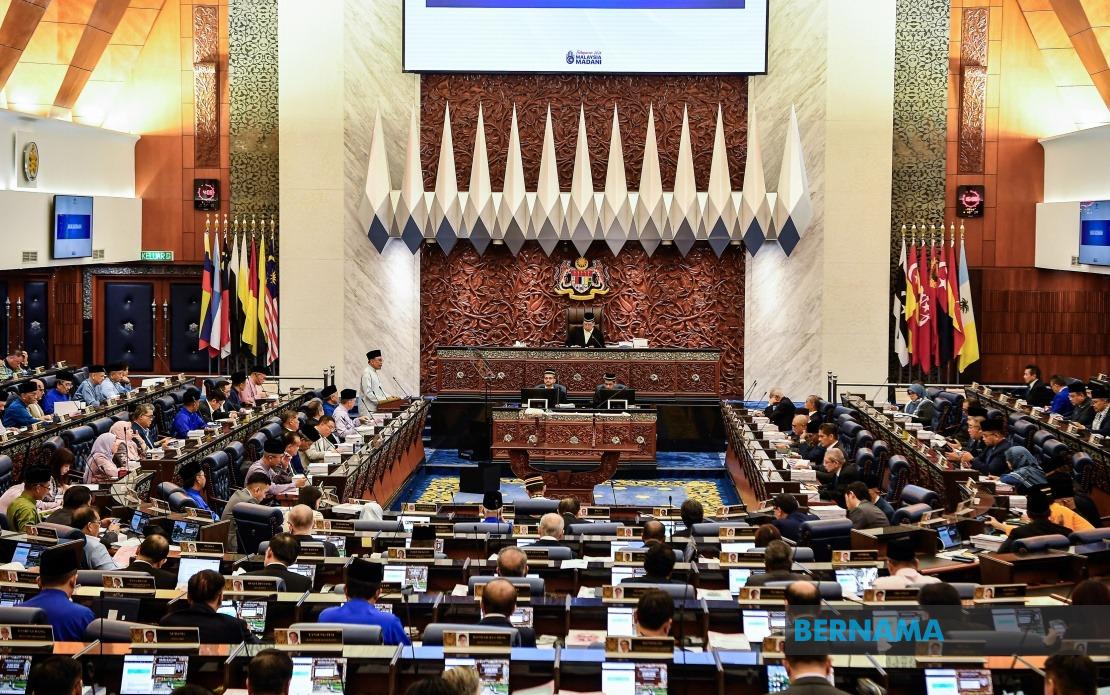
Malaysia's parliamentary lower house has endorsed the Malaysian Communications and Multimedia Commission (Amendment) Bill 2026, reinforcing the statutory body tasked with governing the nation's rapidly evolving communications landscape. Approved through a majority voice vote following debate from 14 lawmakers representing both government and opposition benches, the amendments address structural governance challenges and modernise procurement thresholds that have remained unchanged for a quarter-century. The passage signals parliament's commitment to equipping MCMC with contemporary tools for managing digital infrastructure, spectrum allocation, and multimedia regulation in an increasingly complex technological environment.
Deputy Communications Minister Teo Nie Ching articulated the government's rationale during debate conclusion, emphasizing that ministerial appointment authority for the MCMC chairman and commissioners rests on established statutory body protocols encompassing qualifications, professional integrity, sector experience, and demonstrated leadership capability. The existing framework, operational since 1998, has granted the minister discretionary power in selecting senior commissioners—a practice Teo defended as consistent with how Malaysia structures other regulatory institutions. This continuity reflects confidence in the appointment mechanism's ability to draw qualified individuals from diverse professional backgrounds capable of steering a technically sophisticated regulator.
A pivotal amendment within the Bill addresses potential conflicts of interest by mandating that the MCMC chairman maintain no concurrent membership in any legislative body, whether federal or state level. This requirement represents an explicit acknowledgment of governance best practices requiring regulatory independence from the legislative branch. By institutionalizing this separation, the amendment attempts to insulate MCMC decision-making from partisan pressures that could compromise its regulatory neutrality or compromise its ability to enforce rules uniformly across stakeholders regardless of political affiliation.
The most economically significant revision involves elevating MCMC's unilateral procurement authority ceiling from RM5 million to RM50 million—a tenfold increase reflecting inflationary and operational realities of modern telecommunications infrastructure projects. Teo explained the adjustment aligns with Finance Ministry procurement guidelines for federally-funded statutory bodies, which permit thresholds reaching RM499 million under certain conditions. By expanding MCMC's autonomous purchasing power to RM50 million, the amendment reduces bureaucratic delays that previously required ministerial approval for significant technology acquisitions, network upgrades, or equipment investments. The increased threshold accommodates rising infrastructure costs driven by technological advancement, labour inflation, and material price escalations—factors that render 1998 financial limits increasingly obsolete for equipment and systems deployed in 2026.
Oppositionist voices during debate raised substantive concerns about regulatory independence extending beyond chairman status. Dr Halimah Ali of Perikatan Nasional representing Kapar constituencies advocated for appointment mechanisms mirroring those employed by the Human Rights Commission of Malaysia (SUHAKAM), wherein commissioners undergo more transparent selection emphasizing expertise, professional standing, and sectoral credibility rather than ministerial discretion alone. She further recommended comprehensive recording and parliamentary tabling of all ministerial directives issued to MCMC, creating visible accountability trails for regulatory decisions potentially influenced by government guidance. Such transparency measures would enable lawmakers to scrutinize whether ministerial instructions potentially conflicted with MCMC's independent mandate.
Datuk Mas Ermieyati Samsudin from Perikatan Nasional's Masjid Tanah division emphasized systemic checks and balances warranting reinforcement, particularly concerning Universal Service Provision Fund administration—the MCMC mechanism ensuring telecommunications access across rural and underserved regions. Her submission urged enhanced parliamentary oversight through periodic fund utilisation reporting and strengthened audit mechanisms to prevent misallocation or inefficient deployment of USP resources. These concerns reflect legitimate parliamentary scrutiny regarding how MCMC deploys subsidized telecommunications investment, ensuring public resources dedicated to bridging rural-urban digital divides achieve intended beneficiary reach and technological outcomes.
Dr Richard Rapu representing GPS-affiliated Betong constituencies positioned the amendments within a broader institutional modernisation narrative, contending that structural revisions enhanced MCMC's capacity to function as a professionally rigorous, genuinely independent regulator positioned to navigate digital economy complexities. His perspective emphasized that strengthened institutional architecture enabled MCMC to address contemporary regulatory challenges—spectrum scarcity amid 5G rollout, digital platform content moderation, cybersecurity infrastructure protection, and emerging internet governance questions—with enhanced operational autonomy and financial flexibility.
The Bill's passage reflects parliamentary recognition that Malaysia's communications and multimedia sector requires regulatory modernisation commensurate with technological complexity and competitive intensity characterizing global telecommunications markets. MCMC regulates an industry encompassing traditional broadcasting, cellular telecommunications, internet service provision, and increasingly convergent digital platform operations. The statutory amendments provide updated financial parameters and clearer governance boundaries reflecting twenty-eight years of sectoral evolution since the Commission's establishment under the Malaysian Communications and Multimedia Commission Act 1998.
For Malaysia's broader regulatory environment, the Bill demonstrates how parliament adapts institutional governance frameworks responding to changing operational requirements and contemporary governance expectations. The amendments balance ministerial appointment authority—preserving executive influence over regulatory direction—against independence safeguards preventing partisan capture. This compromise reflects Malaysian political consensus that MCMC requires sufficient autonomy to regulate impartially while remaining accountable to democratic institutions through parliamentary oversight mechanisms.
International precedent suggests MCMC's enhanced procurement authority and clarified governance standards position Malaysia comparatively within Southeast Asian regulatory frameworks. Neighbouring jurisdictions employing communications regulators with similar autonomy and financial thresholds have demonstrated capacity to execute infrastructure modernisation projects and technological upgrades efficiently. The amendment's passage enables MCMC to operate more nimbly in competitive markets requiring rapid infrastructure response, particularly as regional telecommunications competition intensifies and technological standards advance.
The Bill's legislative pathway also illustrates how opposition participation in substantive debate shapes regulatory design even when government maintains passage control. Amendments crystallizing in the final legislation incorporate parliamentary concern for enhanced transparency and independence safeguards, suggesting cross-party recognition that regulatory credibility requires insulation from partisan manipulation. This collaborative refinement strengthens the amendments' legitimacy across political constituencies and stakeholder communities dependent on MCMC's impartial regulatory function.
Proceeding from parliamentary approval, MCMC must now operationalise enhanced procurement authorities while maintaining governance standards the amendments establish. The Commission faces expectations that expanded financial autonomy produces demonstrable improvements in infrastructure modernisation, technological infrastructure resilience, and regulatory responsiveness. Success in these domains will determine whether the amendments achieve their stated purpose of ensuring MCMC's institutional sustainability amid Malaysia's communications sector evolution.

