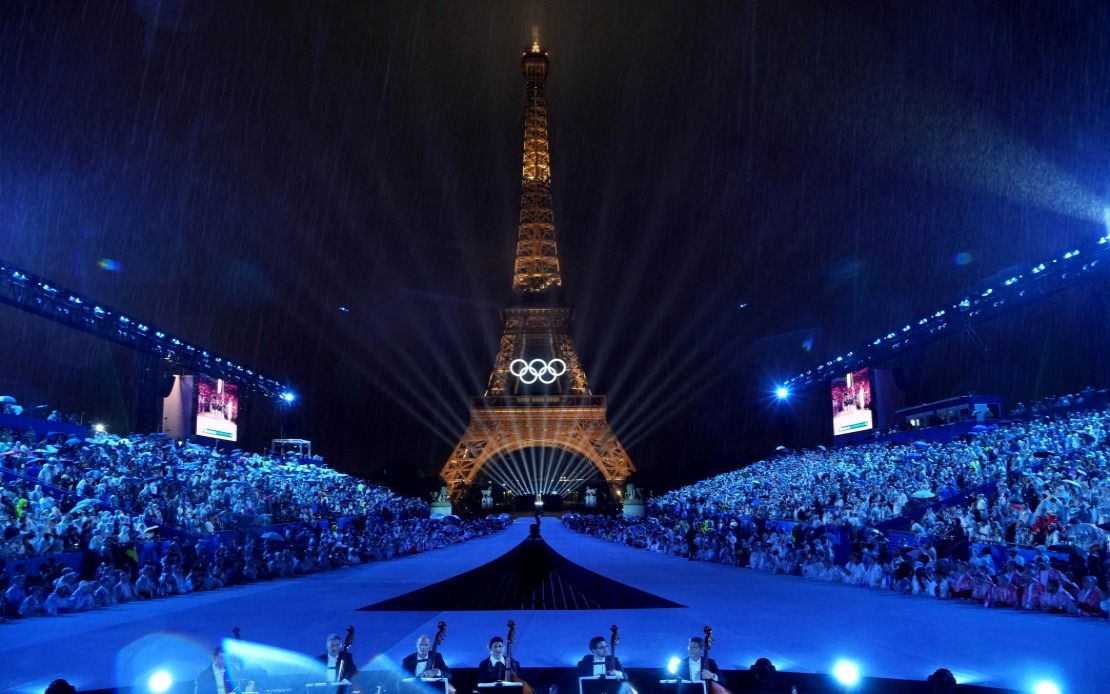
Paris's most recognisable monument took an unusual step on Tuesday, shutting its doors at 4:00 pm as France's weather service warned of dangerously high temperatures sweeping across the country. The Eiffel Tower, which typically operates into the evening, made the exceptional decision based on forecasts of continued extreme heat, with the Societe d'Exploitation de la tour Eiffel, the company managing the landmark, citing visitor and staff safety as the paramount concern in its announcement.
The early closure meant the last entry to the monument occurred at 12:15 pm, considerably earlier than the usual visitor traffic during summer months. Those who had purchased tickets for time slots beginning at 11:30 am for stair access or noon for lift access will receive automatic refunds, ensuring no visitors lost money due to the sudden adjustment. This approach highlights how tourist infrastructure, even at one of the world's most visited attractions, must sometimes yield to environmental conditions that could pose genuine risks to people's wellbeing.
The Eiffel Tower's decision reflects a broader response across Paris's cultural institutions to the unprecedented heat. The Louvre Museum, home to the Mona Lisa and countless other masterpieces, announced it would similarly curtail its opening hours, closing at 4:00 pm instead of the customary 6:00 pm throughout the period from June 24 to June 27. These measures underscore how even world-class heritage sites must prioritise occupational safety and visitor health when confronted with meteorological extremes.
France's national weather authority, Meteo-France, painted a stark picture of the conditions sweeping the nation. Temperatures in the capital had already reached 36 degrees Celsius by 4:00 pm on Tuesday, with forecasts suggesting Wednesday would prove even hotter, potentially climbing to 38 degrees Celsius. The heat was expected to persist at least through Thursday, meaning Paris and surrounding regions faced multiple consecutive days of oppressive conditions.
The geographic scale of the heatwave extended far beyond Paris's boundaries. Meteo-France reported that 54 departments across mainland France had been placed under the red alert status on Tuesday—the country's highest warning level for heat emergencies. A further 35 departments faced orange alert conditions, indicating that large swathes of the nation were grappling with dangerous temperatures. This widespread threat level reflects how the heatwave represented not a localised phenomenon but a systemic challenge affecting most of French territory.
For Southeast Asian readers, France's experience offers relevant perspective on how developed nations manage extreme weather events and their impacts on daily life and tourism. Malaysia, with its equatorial climate already characterised by high humidity and temperatures, has faced comparable challenges managing tourist attractions and public spaces during heat waves and during periods of haze pollution. The proactive closure decisions made by Paris authorities demonstrate how institutions can balance economic interests—the revenue generated by extended operating hours—against genuine safety risks.
The closure of major attractions like the Eiffel Tower and Louvre carries economic implications beyond the individual visitors affected. Paris's tourism sector generates substantial revenue, and any reduction in visiting hours inevitably impacts hotels, restaurants, and other hospitality businesses that depend on tourist traffic. However, the monuments' operators clearly determined that the reputational and legal liability of operating during dangerous conditions outweighed short-term commercial considerations. This calculation represents a modern approach to risk management in the cultural and tourism sectors.
The early closures also raise questions about how climate change and increasingly frequent extreme weather events may reshape tourism patterns and operating practices at heritage sites worldwide. If heat waves become more common and more intense, as climate projections suggest, institutions may need to develop permanent operational adjustments rather than temporary emergency measures. This could include modifying visitor capacity, adjusting opening seasons, or investing in enhanced cooling systems for both visitors and staff.
For travellers planning visits to Europe during summer months, the Paris closures serve as a reminder that even the most reliable attractions may occasionally curtail operations due to weather. Visitors should monitor official announcements before departing for major tourist destinations during periods when extreme weather is forecast. The automatic refund policy implemented by the Eiffel Tower represents good practice in customer communication and financial protection, though travellers should always verify current operating hours before visiting.
The response from Paris's major cultural institutions reflects a broader shift in how organisations across sectors prioritise workplace safety and visitor welfare. The decision to close early prioritises the wellbeing of cleaning staff, security personnel, ticketing officers, and the thousands of daily visitors who might otherwise be exposed to heat-related health risks including heat exhaustion and heat stroke. This inclusive approach to safety demonstrates how even prestigious institutions must adapt their operations to protect all people within their facilities.