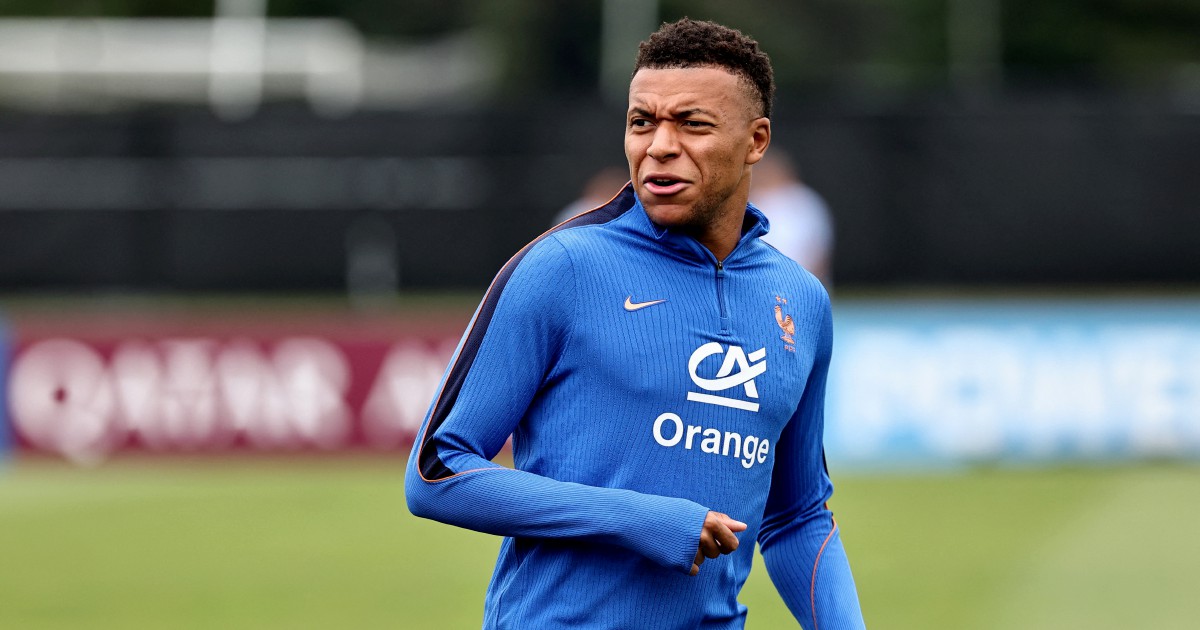
French authorities have opened a formal investigation into controversial statements regarding Kylian Mbappé, captain of the French national football team, made by a Paraguayan legislator. The Paris public prosecutor's office announced the move on Tuesday, indicating that remarks deemed inappropriate or potentially harmful have triggered legal scrutiny across international boundaries—a rare occurrence that underscores the elevated status of elite athletes and the global reach of modern communications.
The decision to investigate comments made by a foreign politician about a sports figure reflects evolving standards around what constitutes legally actionable speech in the contemporary digital age. When statements cross national borders and target individuals of international prominence, particularly those who serve as cultural ambassadors for their nations, prosecutorial authorities increasingly find themselves evaluating whether intervention is warranted. In this instance, French prosecutors determined that the threshold for opening a formal investigation had been met, suggesting the remarks in question contained elements considered sufficiently serious to merit official examination.
Mbappé occupies an extraordinary position within French society and global football culture. As the captain of Les Bleus and one of the sport's most marketable figures, he represents not merely athletic excellence but also French soft power on the world stage. Any attack on his character or reputation carries implications beyond the individual, potentially affecting his marketability, mental wellbeing, and capacity to perform at the highest levels. This explains why French authorities may view such commentary through a lens that considers broader social consequences, including the potential for harassment or reputational damage.
The involvement of a Paraguayan lawmaker adds an intriguing diplomatic dimension to the affair. Paraguay, situated in South America's interior and with limited direct ties to European football establishments, might seem an unlikely source of commentary on French sports personalities. However, the proliferation of social media platforms has effectively eliminated geographical constraints on public discourse, enabling politicians from any nation to weigh in on international events and personalities with immediate global visibility. This phenomenon has created situations where remarks intended for domestic audiences unexpectedly acquire international audiences and consequences.
The nature of the prosecution's interest remains partially unclear from initial announcements, though such investigations typically examine whether statements constitute defamation, incitement to harassment, threats, or violation of privacy rights. French law provides robust protections for individuals against false or damaging statements, and prosecutors must have identified content that potentially crossed those legal boundaries. The investigation will likely involve gathering evidence, reviewing the exact wording of the comments, examining their context, and determining whether they meet thresholds for criminal or civil liability under French jurisdiction.
For Malaysian readers and Southeast Asian observers, this case illustrates how globalisation has created intricate legal and diplomatic complexities. Athletes from our region competing at the highest international levels—whether football, badminton, or other sports—may similarly find themselves subjects of international scrutiny and potential legal action. The precedent established here suggests that authorities are increasingly willing to extend judicial reach across borders to protect prominent figures from harmful statements, regardless of where such statements originate.
The investigation also raises broader questions about free speech versus protection from defamation and harassment. Legislators, particularly, traditionally enjoy certain immunities when speaking on matters of public interest within their home countries. However, those protections typically apply to domestic parliamentary proceedings and policy discussions. Comments directed at foreign sports figures exist in a greyish legal zone where traditional parliamentary immunity may not extend, especially when statements are made in public forums accessible internationally rather than within formal legislative chambers.
Paraguay's government has not yet publicly responded to the investigation announcement, though diplomatic notes may be exchanged privately between Paris and Asunción. International precedent suggests that foreign governments rarely interfere with judicial investigations in other nations, particularly when those investigations involve statements by their own citizens. Paraguay would likely take a position of non-interference while potentially ensuring their legislator receives appropriate legal representation if the investigation proceeds to formal charges.
The investigation's outcome remains uncertain, and such matters often conclude without criminal charges if prosecutors determine insufficient legal grounds exist. Nevertheless, the mere fact of investigation sends a signal that comments about international figures can have real legal consequences in an interconnected world. For public figures across continents and for those who comment on them, this case serves as a reminder that global visibility and reach come accompanied by legal responsibilities that transcend national boundaries. The incident exemplifies how modern celebrity—particularly in football, the world's most universally followed sport—generates governance challenges that traditional legal frameworks were never designed to address.

