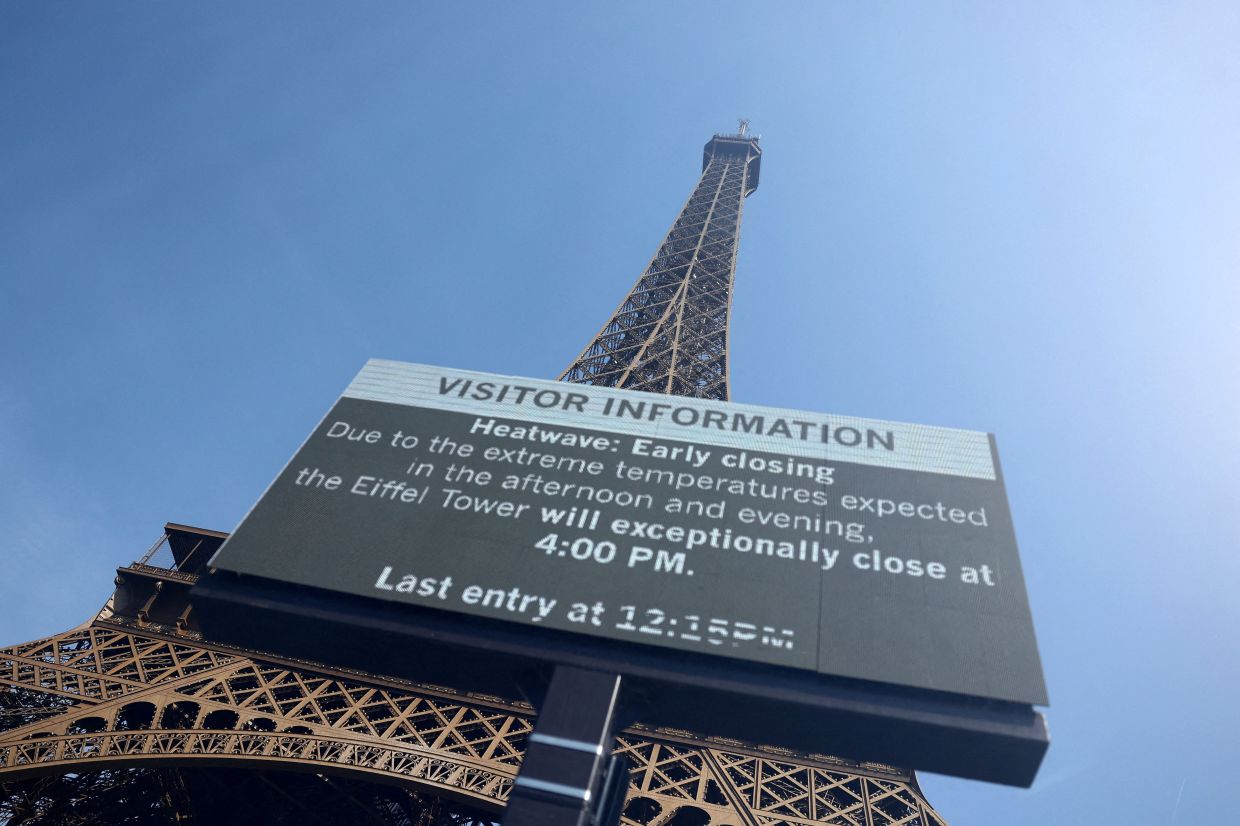
France's intensifying heatwave has dealt a significant blow to the tourism sector this week, forcing the premature shutdown of some of Europe's most iconic attractions as temperatures soared to historic levels. The Eiffel Tower and the Louvre Museum both announced abbreviated operating hours on June 23, the day France registered its highest temperature since official measurements began in 1947. For thousands of holidaymakers who had meticulously planned their visits to the City of Light, the extreme conditions transformed what should have been memorable experiences into exercises in frustration and physical endurance.
Spanish visitor Maite Blazques, a 35-year-old nurse from Madrid, exemplifies the plight facing international travellers. She had spent months saving to bring her six-year-old son to Paris, anticipating the kind of magical childhood memory that draws families from across Europe each summer. Instead, she found herself forced to completely restructure her carefully planned itinerary. The guided tour through the historic Marais district was abandoned, the scenic river cruise along the Seine was cancelled, and the cherished trip to the summit of the Eiffel Tower—an experience most first-time visitors consider non-negotiable—became impossible. The resignation in her voice as she described these changes underscores the very real human cost of climate-related disruptions to tourism.
The Eiffel Tower's operator made the difficult decision to close the 324-metre latticed monument at 4 p.m. on June 23, far earlier than the typical post-midnight closing during high season. This iconic structure normally welcomes approximately seven million tourists annually, making its closure a significant disruption to the city's tourism operations. The decision to shut down exceptionally early and the ominous likelihood of further reduced operating hours in the coming days signals that authorities anticipate the punishing heat will persist. For tour operators and visitors with pre-booked slots, the closures triggered cascading cancellations throughout the week.
American tourist Tamara Dancer saw her scheduled guided tour cancelled on the afternoon of the peak heat day, leaving her not just disappointed but genuinely hurt by the disruption to her vacation. Unlike Blazques, who at least had the flexibility to reorganise her activities, Dancer's experience highlights how sudden closures can render carefully timed itineraries obsolete. The emotional toll of such disruptions extends beyond mere inconvenience—these are often once-in-a-lifetime trips that people have saved years to undertake.
Those who persisted in exploring Paris's outdoor spaces faced brutal conditions. American engineer John Beeler, 45, and his wife armed themselves with umbrellas, hats, and portable fans as they navigated pavements that seemed to radiate heat like furnace grates. Despite these precautions, Beeler described visiting Paris in such conditions as simply awful. He reported suffocating in the streets, in the subway system, and even within their rental accommodation. Eventually, the couple capitulated and relocated to a hotel offering air conditioning—a costly adjustment to their holiday plans but a necessary one for their health and comfort. Their experience represents the broader economic impact of the heatwave, as tourists are forced into more expensive alternatives.
Drake Winners, a 66-year-old retiree from London, articulated a fundamental problem with exploring Paris during extreme heat: the city's essence lies in wandering its streets and discovering neighbourhoods organically. Yet in temperatures approaching or exceeding historical records, such exploration becomes dangerous rather than pleasurable. Instead, Winners adapted by retreating indoors to museums and churches where climate control offered respite. This shift in behaviour, while necessary for visitor safety, fundamentally alters the nature of the Paris experience and raises questions about the long-term viability of traditional tourism models in an era of climate volatility.
The Louvre Museum, attracting approximately nine million visitors annually and housing Leonardo da Vinci's Mona Lisa and countless other masterpieces, also announced operational constraints due to the heat. Museum management frankly acknowledged that the vast palace, expanded and modified by various French monarchs and presidents across centuries, was not sufficiently adapted to climate change. This candid admission carries profound implications—if the world's most visited museum cannot adequately manage extreme temperatures, questions arise about the preparedness of cultural institutions globally. The Louvre's previous year of troubles, including a US$100 million jewellery heist, water leaks, and maintenance issues, suggests the institution already struggled with environmental management.
Beyond Paris proper, the crisis extends across mainland France, with more than half the country remaining under weather services' highest alert level. Major attractions outside the capital have issued urgent advisories to visitors. Mont Saint-Michel, the spectacular island fortress in Normandy that ranks among France's most visited sites, directly warned tourists to postpone their visits during the red alert. Such warnings from heritage organisations are extraordinarily rare and underscore the severity of conditions.
The broader context reveals how climate change is beginning to disrupt the tourism industry in tangible, economically significant ways. For Southeast Asian travellers planning European holidays, the heatwave serves as a cautionary tale. Malaysia and the region's tourism industry should take note of how extreme weather can unexpectedly derail tourism operations and revenue. As global temperatures rise, popular destinations may become unreliable during traditional peak seasons, forcing both tourists and operators to recalibrate travel patterns and expectations.
The financial implications are substantial. Tourism represents a critical economic pillar for France, with international visitors spending billions annually. Disrupted experiences translate to negative reviews, cancelled return visits, and reduced recommendations to others. For tour operators and hospitality businesses, the forced closures represent lost revenue with little recourse. For visitors like Blazques and Beeler, the wasted expenditure on accommodation and transport compounds the disappointment. Airlines and hotels across Paris report elevated cancellation requests as visitors abandon or defer their trips.
Looking forward, the heatwave raises urgent questions about adaptation. European cities built centuries ago were designed for temperate climates substantially different from those emerging today. Installing comprehensive air conditioning in centuries-old palaces like the Louvre presents enormous technical and aesthetic challenges. Similarly, retrofitting public transportation systems and outdoor spaces for extreme heat requires massive capital investment. Museums must balance heritage preservation with visitor and staff safety. These dilemmas are no longer theoretical—they are playing out in real time across Europe's most beloved destinations.
For Malaysian visitors and travel planners, the Paris heatwave underscores the importance of climate literacy when booking international travel. The traditional high season in Europe coincides increasingly with extreme heat events. Travellers should consider visiting during shoulder seasons when crowds diminish and weather becomes more predictable. Tourism boards in Southeast Asia can leverage this moment to position regional destinations as more climatically stable alternatives to Europe during peak summer months. As climate volatility becomes the new normal globally, the resilience and adaptability of travel destinations will increasingly determine their competitiveness in the international tourism market.

