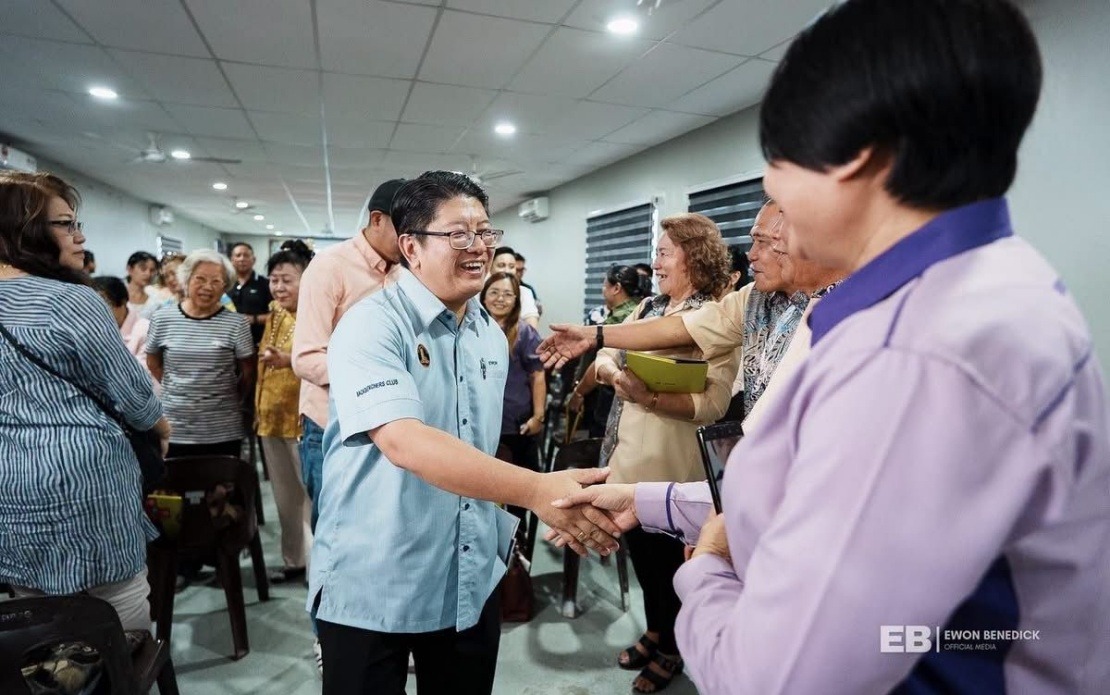
Parents across Sabah need to have serious conversations with their teenagers about the dangers of mule account syndicates, according to Datuk Ewon Benedick, the state's Deputy Chief Minister III and Industrial Development, Entrepreneurship and Transport Minister. Speaking at a Digital Parenting Programme Series IV event in Penampang on Thursday, Ewon stressed that allowing others to use personal bank accounts could result in account holders facing criminal prosecution if those accounts become vehicles for fraud or other illegal activities. This warning comes at a time when financial crimes involving mule accounts—where teenagers are duped into renting out their banking credentials—have become increasingly prevalent across Malaysia and the region.
The practice of mule accounts represents a particularly insidious form of financial exploitation targeting young people who lack understanding of legal consequences. When teenagers permit third parties to access their accounts, they become unwitting participants in money laundering schemes, fraud operations, and other financial crimes. Once an account becomes compromised, the original account holder faces potential civil and criminal liability, regardless of whether they directly benefited from the illicit transactions. This disconnect between teenage complicity and devastating legal ramifications highlights why parental intervention and education are crucial in preventing such involvement.
Ewon's remarks during the programme, organised by the National Population and Family Development Board (LPPKN), reflect growing concern among Malaysian policymakers about how digital technology is simultaneously transforming daily life while creating new vulnerabilities. He noted that the digital ecosystem now pervades almost every aspect of modern existence—from everyday purchases to accessing government services. Quick response code payments, for instance, have become ubiquitous at markets and small businesses throughout the country. This widespread adoption means that financial literacy and digital safety awareness are no longer optional skills but essential competencies for all age groups.
The proliferation of online platforms for business and financial transactions has fundamentally altered how Malaysians access entrepreneurship support. Government grants and assistance schemes, including those administered at federal level, now operate predominantly through digital channels. While this streamlines access and reduces bureaucratic friction, it simultaneously expands the surface area for scams and exploitation. Entrepreneurs and grant applicants must navigate these systems with caution, and young people who might serve as intermediaries require clear guidance about the risks they face.
Ewon, who also represents Penampang as Member of Parliament, emphasised that digital technology's ubiquity demands a balanced approach to its consumption and use. The smartphone and internet have become extensions of teenage life, yet excessive screen time and digital engagement can cause young people to neglect fundamental responsibilities, academic pursuits, and developmental relationships. Parents therefore occupy a frontline position in establishing healthy digital habits and ensuring their children understand both the convenience and the peril that technology brings into their lives.
The Digital Parenting Programme represents an institutional acknowledgment that parental capacity-building is essential infrastructure for protecting children in an increasingly connected world. These workshops and sharing sessions are designed to equip mothers and fathers with knowledge, frameworks, and practical strategies for guiding their children toward safe and responsible technology use. Such initiatives address not only the mule account problem but broader questions about screen addiction, cyberbullying, online predation, and financial fraud.
For Malaysian parents, the mule account warning carries particular urgency given the country's youthful demographic and rising smartphone penetration. Teenagers, by developmental design, are susceptible to peer pressure, quick cash incentives, and the allure of easy money. Criminal syndicates deliberately target this age group because young people often lack the maturity to anticipate consequences or the sophistication to recognise manipulation. A teenager might be told that allowing someone temporary account access is harmless, or might be offered a small payment that seems attractive relative to their disposable income—not understanding that they are becoming an accomplice to organised crime.
Ewon's statement also recognises that this is not merely a law-enforcement problem but a values and education challenge. Parents and educators must communicate clearly about the legal, financial, and moral dimensions of mule account involvement. Young people need to understand that their personal banking credentials are valuable precisely because they are tied to their identity and reputation. Once compromised, that identity becomes associated with criminal activity, creating barriers to future employment, financial services access, and social standing.
The broader context of this warning touches on Southeast Asia's struggle with financial crime and money laundering, problems that are impossible to address without disrupting the supply of mule accounts. Every mule account represents a successful exploitation of a young person's naïveté or vulnerability. By educating teenagers and their parents about these dangers, Sabah's leadership is contributing to a regional effort to dry up this resource for organised crime networks.
Ewon's commitment to supporting parenting initiatives reflects recognition that elected officials share responsibility for community wellbeing beyond traditional policy domains. By publicly endorsing digital literacy and parental engagement programmes, he normalises these conversations and signals that protecting youth is a collective priority. His willingness to frame his support in personal terms—acknowledging his own duties as a father—also models the kind of engaged parenthood the Digital Parenting Programme encourages.
Moving forward, the challenge will be translating awareness into concrete behavioural change. Parents must translate warnings into household rules and open dialogue. Teenagers must internalise the risks rather than dismissing them as abstract possibilities affecting others. Schools, religious institutions, and community organisations should reinforce these messages through their own networks. Only through sustained, multi-level effort can Malaysian society reduce the vulnerability of its young people to exploitation through mule account syndicates.

