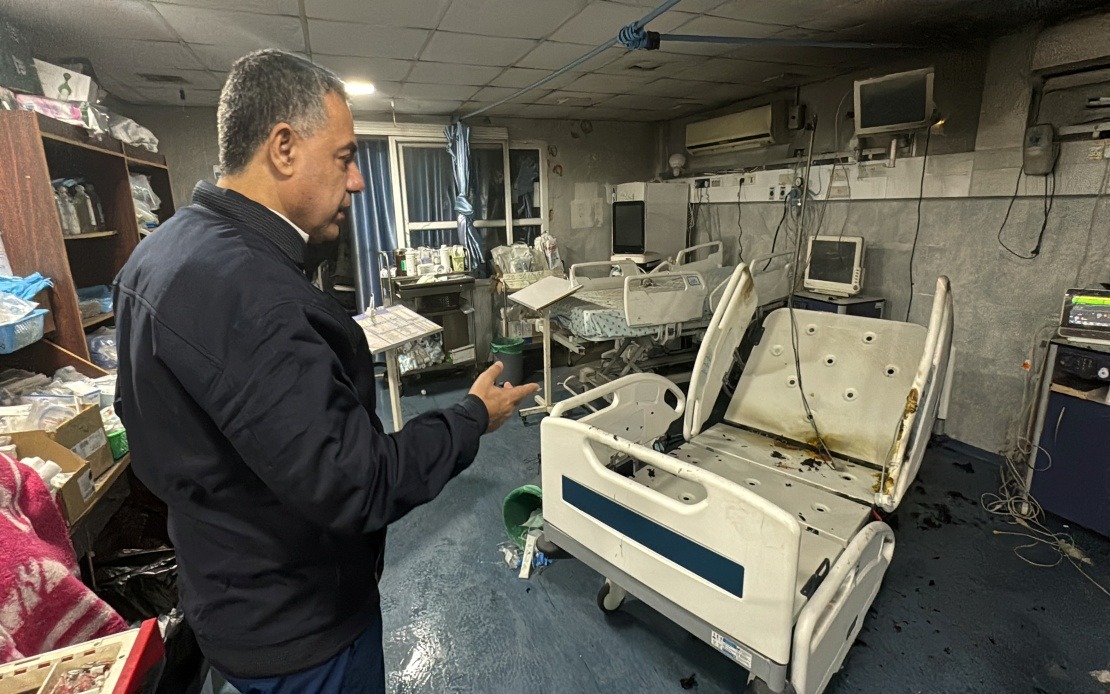
Physicians for Human Rights has sounded an urgent warning that Dr Hussam Abu Safiya, who directed operations at Kamal Adwan Hospital in northern Gaza, faces immediate danger to his life while detained in Israel's Nitzan Prison. The concern follows a July 2 visit by the organisation's lawyer, who documented what he characterised as severe physical trauma and signs of assault on the hospital administrator.
The deterioration of Dr Abu Safiya's health represents a troubling escalation in what has become an increasingly contentious detention case spanning months of conflict. The Gaza health system has been severely strained throughout the ongoing war, with hospital directors and medical staff finding themselves caught between operational pressures and geopolitical tensions. Dr Abu Safiya's detention gained international attention partly because of his visibility as head of one of northern Gaza's major medical facilities, making his case emblematic of broader concerns regarding the treatment of healthcare workers.
According to Nasser Odeh, the lawyer who conducted the prison visit, Dr Abu Safiya presented with multiple injuries concentrated on his head and face region, including damage around the eyes, ears, and neck that left him visibly difficult to recognise. The account describes a prisoner transported to the legal meeting in full restraints—both hands and feet shackled—while accompanied by masked guards. These procedural details matter significantly because they shape the narrative around detention conditions and prisoner welfare that human rights monitors track internationally.
Particularly alarming in Odeh's documentation were observations of breathing difficulties and repeated loss of consciousness episodes, medical indicators that suggest possible serious underlying injury. The presence of fresh injuries alongside older trauma patterns suggests sustained physical hardship rather than isolated incidents. Such medical findings, when compiled by trained observers, carry weight in international human rights discourse and often trigger procedural reviews by prison oversight bodies.
Naji Abbas, who directs the Prisoners and Detainees Department at Physicians for Human Rights Israel, characterised the lawyer's account as among the most disturbing testimonies the organisation has collected since the war's commencement. This assessment carries particular significance given that the organisation has documented numerous detention cases across the conflict period. Abbas emphasised that Dr Abu Safiya himself expressed fear regarding the possibility of death while in custody—a statement that, whether reflecting actual threats or psychological trauma from detention conditions, indicates acute distress.
The timing of Dr Abu Safiya's health deterioration correlates with his legal challenge to the continuation of his detention. Abbas specifically noted that the prisoner's condition worsened after he contested his imprisonment in court proceedings, a pattern that raises questions about potential retaliation or punitive measures following legal advocacy. This sequence of events—legal action followed by documented injury—invites scrutiny from investigators focused on custodial accountability.
Physicians for Human Rights has consistently called for Dr Abu Safiya's release and that of other detained medical professionals, emphasising that many face imprisonment without formal charges or trial proceedings. This absence of transparent legal processes compounds international concern, as detention without clear judicial grounds raises fundamental questions about detention legitimacy under international humanitarian law. The organisation's position reflects broader medical ethics principles holding that healthcare workers warrant particular protections during armed conflict.
The human rights group's statement places explicit responsibility on Israeli authorities for the health, safety, and wellbeing of all individuals under their custody. Under international law, detaining powers assume full accountability for prisoner treatment regardless of the underlying conflict context. Abbas called for immediate independent investigation into Dr Abu Safiya's detention conditions and treatment, suggesting that internal review mechanisms may be insufficient given the severity of allegations.
For Malaysian and Southeast Asian observers, this case illustrates how healthcare systems become politicised during prolonged conflicts and how medical administrators navigate pressures from multiple directions. The detention of hospital directors raises profound questions about civilian protection and the distinction between legitimate security concerns and broader harassment of medical infrastructure leadership. The allegations of physical mistreatment during detention, if substantiated through independent investigation, would represent violations of fundamental protections that international conventions extend to all detainees regardless of nationality or allegiance.
The urgency expressed by Physicians for Human Rights reflects genuine medical concern rather than purely political positioning. When trained observers document unexplained injuries, breathing complications, and loss of consciousness in a detained individual, these represent objective health markers warranting immediate medical evaluation and potential intervention. The organisation's advocacy for independent investigation provides a potential mechanism through which these concerns could be transparently examined.
This situation also highlights the particular vulnerability of healthcare workers in conflict zones where medical facilities become implicated in broader political and military dimensions. Hospital directors occupy positions where they must manage both professional obligations and the realities of occupation or conflict control. Dr Abu Safiya's case demonstrates how such positions can become sources of detention and investigation, creating chilling effects on healthcare administration and potentially compromising future medical service delivery in conflict-affected regions.

