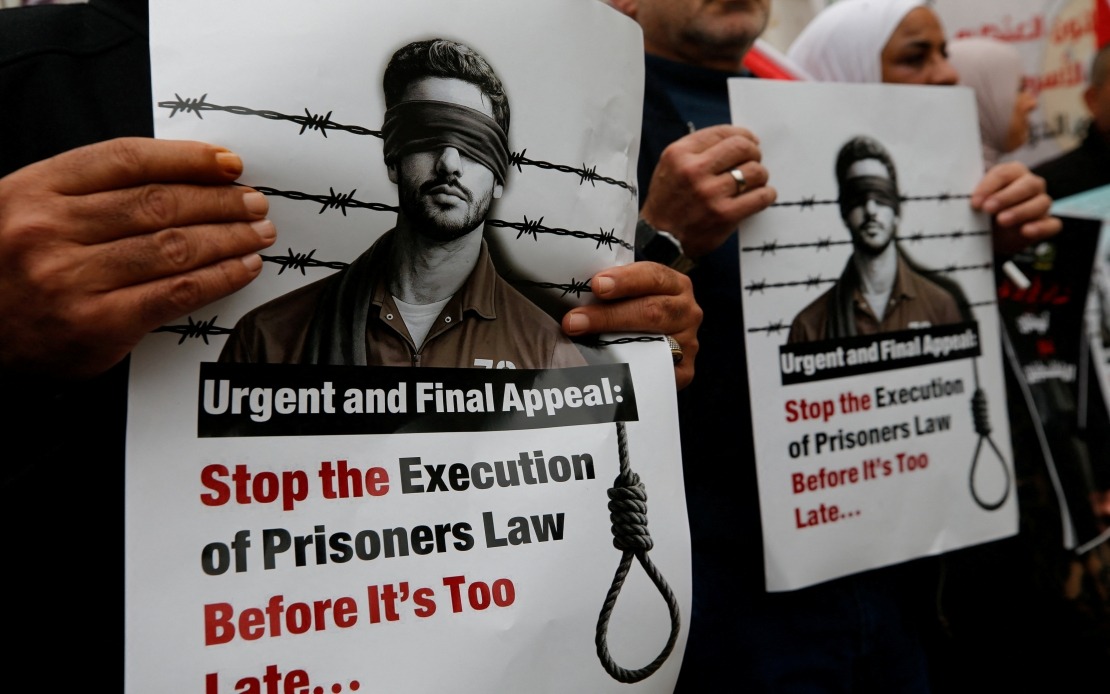
The Palestinian government released a comprehensive situation report on June 30 documenting what it describes as systematic human rights violations against Palestinians detained by Israeli authorities. The allegations centre on a pattern of alleged abuse spanning from physical torture to deprivation of basic medical services, painting a stark picture of conditions in Israeli detention facilities that Palestinian officials say require urgent international attention.
According to the Palestine Prime Minister's Office's Situation Report #92 covering the period of June 22 to 29, 2026, Palestinian prisoners' institutions have meticulously documented various forms of mistreatment. These include beatings, prolonged stress positions, electrocutions, sleep deprivation, starvation, and sexual violence perpetrated against detainees. The report asserts that such practices constitute widespread and systematic violations that extend beyond isolated incidents, suggesting an institutional pattern rather than individual acts of misconduct.
The detention figures cited in the report are substantial. More than 3,376 Palestinian administrative detainees are currently held without charge or trial, a category of detention that human rights organisations globally have raised concerns about. Additionally, the report highlights that 360 Palestinian children are among those imprisoned, a figure that underscores the scope of detention practices affecting families and minors. Overall, more than 9,500 Palestinian detainees have been recorded in the West Bank including occupied Jerusalem, according to the government's documentation.
The conditions of detention described in the report highlight allegations of inhumane prison environments. Palestinian authorities claim detainees face inadequate food and water provisions, deliberate spread of diseases within facilities, and systematic denial of essential healthcare services. The situation is particularly grave for vulnerable populations, as the report reveals that three pregnant Palestinian women currently held face starvation, humiliation, harsh interrogations, strip searches, and denial of adequate prenatal healthcare—allegations that raise concerns about the welfare of both mothers and unborn children.
The psychological and physical toll on detainees extends beyond imprisonment itself. According to the Palestinian government's documentation, hundreds of released detainees suffer severe physical and psychological trauma following their detention. In some cases, individuals have reportedly died shortly after release due to the abuse endured during confinement, suggesting that the effects of detention practices persist long after prisoners are freed and that some individuals may not survive their injuries.
Beyond the detention issue, the report presents a broader casualty picture from the conflict. Since early October 2023, at least 73,054 Palestinians have been killed in Gaza, including at least 21,638 children, with 173,480 others injured. In the West Bank including occupied Jerusalem, 1,175 Palestinians have been killed, including 246 children, while 12,919 others have been injured as of June 22. Additionally, 11,200 Palestinians remain missing, while more than 1,700 health workers and 262 journalists have been killed, disrupting both medical services and media reporting capacity.
Military operations in the West Bank have remained intensive during the reporting period. Between June 22 and 28, Palestinian authorities recorded 362 military assaults by the Israeli army, 47 shooting incidents not including airstrikes, and 114 incidents of settler attacks. This frequency of operations underscores the volatile security environment affecting Palestinian civilians and the ongoing nature of the conflict in territories beyond Gaza.
While documenting detention and casualty concerns, the Palestinian Cabinet has simultaneously advanced a domestic reform agenda during its weekly sessions. President Mahmoud Abbas approved amendments to the Value Added Tax law, enabling a comprehensive institutional development program within the Ministry of Finance and the establishment of a Higher Council for Public Revenues. These measures aim to modernise financial administration in alignment with international standards, combat tax evasion and smuggling, and safeguard delivery of essential public services.
Digital transformation has emerged as another priority for Palestinian governance. The Cabinet approved the General Policy for the Telecommunications and Information Technology Sector covering 2026 to 2028, intended to accelerate digital transformation and enhance government digital services. In healthcare specifically, the Palestinian government endorsed replacing paper health insurance cards with smart cards as part of modernisation efforts, aiming to improve data security and support future expansions of digital health services.
For regional observers and policymakers, particularly those in Southeast Asia, the Palestinian government's dual focus on documenting alleged violations whilst advancing institutional reforms reflects the complexity of governance under conflict conditions. Malaysia and other ASEAN nations that maintain diplomatic relations with Palestine have consistently raised concerns about Palestinian civilian welfare in international forums. The detailed documentation of detention practices and casualty figures provides material for ongoing advocacy efforts at the United Nations and other multilateral bodies where Southeast Asian states participate.
The detention allegations carry implications for international humanitarian law discourse. The practice of administrative detention without trial, the scope of detainee numbers, and the documented conditions raise questions addressed in various UN conventions and protocols that most nations, including Malaysia, are signatory to. These reports contribute to ongoing international scrutiny of detention practices and may influence positions taken by non-aligned and developing nations in global human rights mechanisms.
The convergence of documented grievances with institutional reform efforts suggests Palestinian authorities are attempting to build governance capacity for potential future scenarios. Whether these reforms are intended as preparation for eventual statehood or simply pragmatic administration during ongoing conflict, they indicate Palestinian state-building efforts continue despite the security environment. Southeast Asian nations with experience managing diverse populations and building institutions may find aspects of this approach relevant to their own considerations regarding Palestinian development.

