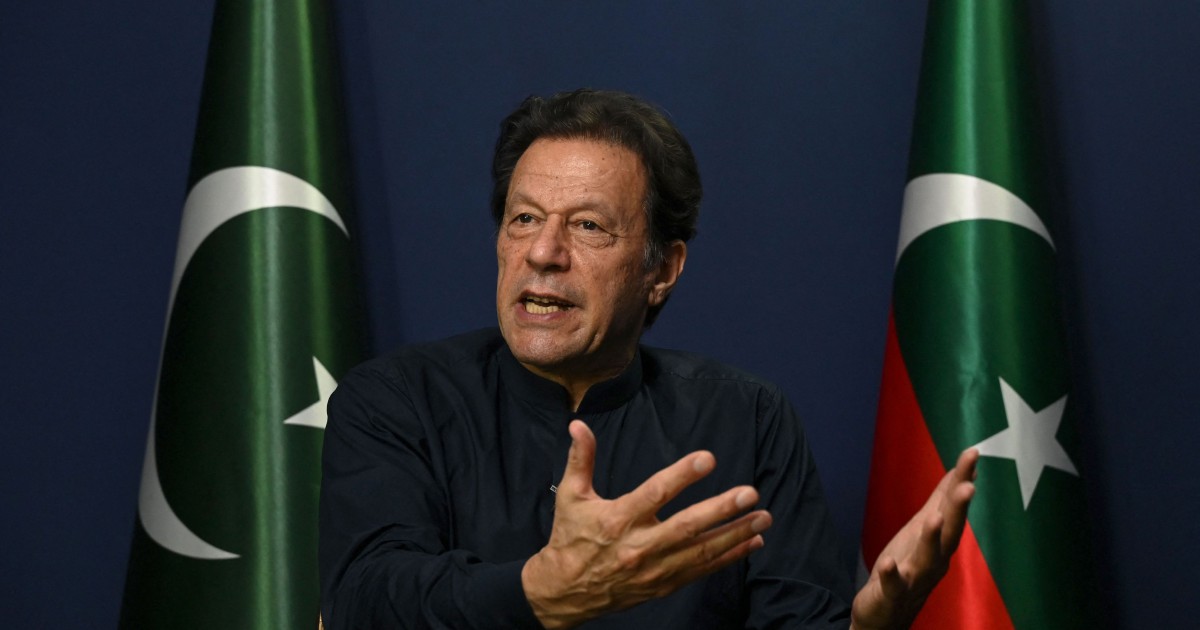
Pakistan's highest judicial authority has intervened in the high-profile detention case of ex-Prime Minister Imran Khan, ordering his immediate relocation to hospital facilities from incarceration. The Supreme Court's directive, delivered on Tuesday, represents a significant shift in the legal proceedings surrounding the politically contentious figure and responds directly to mounting medical concerns articulated by his party and family members over an extended period.
The Pakistan Tehreek-e-Insaf party announced the court's decision, characterising it as vindication of their sustained campaign to secure adequate healthcare access for their detained leader. Party officials emphasised that the move addressed legitimate worries about Khan's physical condition that had accumulated during his imprisonment. The decision comes after repeated public statements from family members and party officials detailing deteriorating health circumstances and inadequate medical facilities within the correctional system.
Khan's legal situation has remained contentious within Pakistan's political landscape, with his supporters maintaining that his prosecution reflects broader institutional pressures rather than legitimate criminal proceedings. The Supreme Court's decision to intervene on health grounds underscores the judiciary's recognition that prolonged detention without adequate medical oversight raises serious constitutional questions. This judicial action signals potential willingness by Pakistan's highest court to assert oversight concerning the treatment of detained political figures, an issue of considerable importance given Pakistan's history of contested arrests of opposition leaders.
The relocation carries significant implications for Khan's ongoing legal battles. Hospital-based detention typically offers greater visibility, more regulated medical protocols, and heightened international scrutiny—factors that could substantially alter the trajectory of his case. For Khan's supporters, the development represents validation of their contention that his health deterioration was being overlooked or inadequately addressed within standard prison conditions. The public nature of the court's intervention also establishes a judicial record of concerns about his welfare, potentially influencing subsequent legal proceedings.
From a regional perspective, Pakistan's handling of Khan's case has attracted substantial international attention, with foreign governments and human rights organisations monitoring developments closely. The Supreme Court's intervention demonstrates that domestic judicial mechanisms retain capacity to act independently on humanitarian grounds, even in politically sensitive circumstances. This has broader implications for Pakistan's democratic institutions and rule of law frameworks, particularly given international focus on how the country manages opposition politics.
The decision also reflects underlying tensions within Pakistan's institutional landscape. The former Prime Minister's detention has sparked considerable domestic debate about separation of powers, the independence of judicial and prosecutorial institutions, and appropriate treatment of political detainees. Judicial involvement in ordering such transfers suggests the courts recognise their responsibility to safeguard constitutional protections even when political pressure may push toward harsher treatment of controversial figures.
For Malaysian observers, Khan's situation illuminates challenges common to emerging democracies where political polarisation sometimes tests institutional independence. Pakistan's Supreme Court intervention demonstrates that even in polarised environments, judicial institutions can function to protect fundamental rights. The court's willingness to order the transfer based on health grounds, rather than political considerations, exemplifies the type of institutional balance critical to democratic stability in Southeast Asia as well.
The hospital transfer will likely alter the conditions and visibility surrounding Khan's detention substantially. Medical institutions operate under different regulatory frameworks than correctional facilities, typically involving greater transparency, more frequent external contact, and documented medical protocols. These structural differences may facilitate greater contact between Khan and his legal representatives, potentially accelerating case proceedings or enabling more comprehensive health assessments by independent medical practitioners.
Pakistan Tehreek-e-Insaf's jubilation at the court order reflects the party's perception that it has successfully mobilised both public opinion and judicial intervention on behalf of their detained leader. The party's sustained advocacy campaign, combined with family statements about health deterioration, appears to have convinced the Supreme Court that hospital-based care represented an appropriate judicial remedy. This outcome may embolden other political detainees' supporters to pursue similar legal strategies, potentially establishing precedent for court-ordered medical transfers in subsequent cases.
The broader political ramifications remain uncertain. Khan's hospital transfer does not resolve the underlying criminal charges against him, nor does it signal imminent release or case dismissal. However, the Supreme Court's intervention demonstrates judicial willingness to protect basic welfare rights of detained political figures, establishing guardrails against conditions that might otherwise deteriorate further. This judicial assertion of protective authority becomes particularly significant given Pakistan's historical patterns of extended political detentions without adequate oversight.
International observers have long scrutinised Pakistan's treatment of opposition figures as a barometer of democratic development. The Supreme Court's decision to order hospital transfer based on health concerns, supported by documented medical advocacy, suggests institutional mechanisms are functioning to prevent the most egregious mistreatment scenarios. While Khan's overall legal situation remains contested and uncertain, this specific judicial intervention affirms that constitutional protections retain practical application even within polarised political circumstances.

