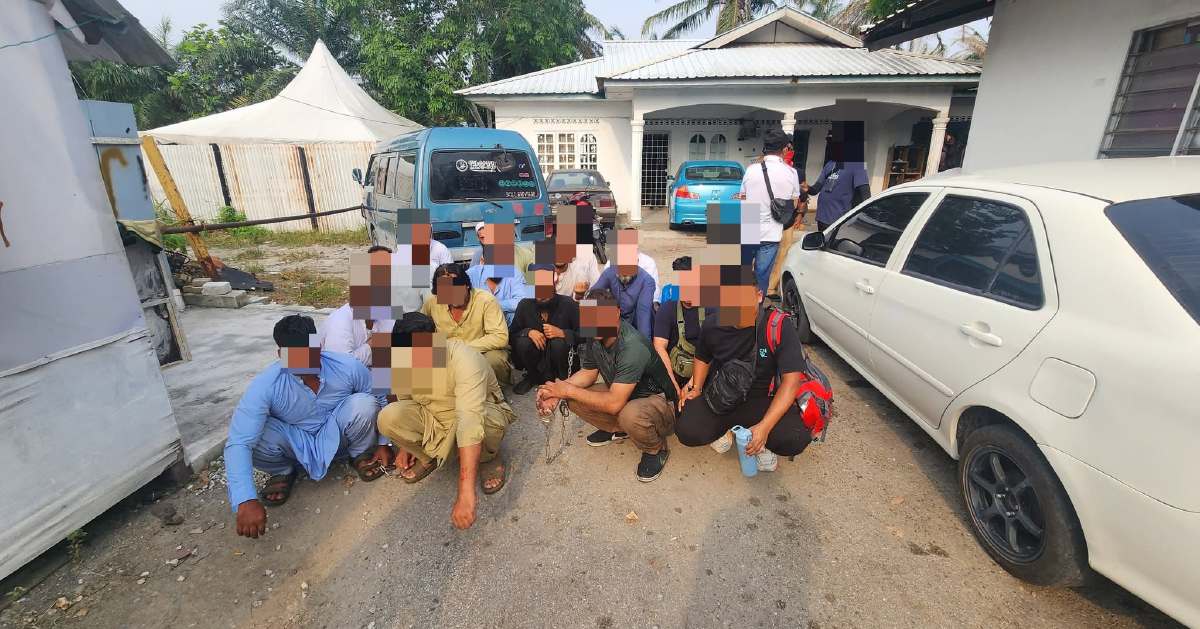
A coordinated operation by Malaysia's Immigration Department has dealt a significant blow to an organised theft syndicate specialising in the theft and illicit sale of vehicle components, with authorities apprehending 20 individuals in a raid conducted yesterday at a location on Jalan Kapar in Klang. The enforcement action represents a major disruption to what investigators believe was a well-structured criminal network, with a foreign national of Pakistani origin identified as the primary architect behind the entire operation.
The scale of yesterday's enforcement action underscores the growing challenge posed by transnational organised crime syndicates operating within Malaysia's manufacturing and commercial heartland. The Klang area, traditionally a hub for automotive-related industries and metalworking operations, has increasingly become a target for criminal networks seeking to exploit the region's industrial infrastructure and transport connectivity. The presence of a foreign national directing operations from within Malaysian territory points to the sophisticated international networks that have embedded themselves within Southeast Asian economies.
Vehicle parts theft has emerged as a persistent problem affecting Malaysia's automotive sector and consumers alike. The illicit market for vehicle components spans everything from high-value engine parts and electronic systems to catalytic converters and structural elements, with stolen goods either repurposed domestically or trafficked across borders. The profitability of such operations has attracted organised criminal groups capable of coordinating large-scale dismantling operations and establishing distribution channels.
The Immigration Department's successful identification and apprehension of the operation's foreign leader demonstrates the effectiveness of transnational law enforcement coordination, though the initial detection mechanisms remain unclear. The involvement of a Pakistani national in orchestrating the syndicate raises questions about the international recruitment networks and communication channels that criminal organisations utilise to establish themselves in Malaysia. Such cross-border criminal structures often leverage cultural and linguistic ties while maintaining operational security through compartmentalisation and trusted intermediaries.
The 20 arrests represent a substantial disruption to the syndicate's capacity, though law enforcement agencies will likely need to conduct extensive follow-up investigations to identify the full extent of the operation's reach. The network presumably included vehicle suppliers, dismantling technicians, logistics coordinators, and distribution agents, with each layer of the organisation potentially serving specific functions. Investigators will need to trace financial flows, identify receiving locations where stolen vehicles were processed, and determine the ultimate destinations of the stolen components.
The Jalan Kapar location selected for the operation provided strategic advantages within Klang's industrial landscape. The area's accessibility to major transport routes, presence of numerous warehouses and manufacturing facilities, and the general hustle of commercial activity would have offered operational cover for conducting vehicle dismantling activities. The choice of location reflects careful planning by the syndicate's leadership, suggesting established familiarity with Klang's geography and operational environment.
The timing of the raid and the coordination required to simultaneously apprehend 20 suspects indicates substantial surveillance and intelligence gathering preceding the enforcement action. Immigration authorities would have needed to establish the scope of the operation, identify key personnel, and coordinate with other agencies to ensure comprehensive coverage during the arrest sweep. Such operations demand considerable resource allocation and represent the culmination of extended investigative efforts.
The implications for Malaysia's security framework extend beyond immediate law enforcement concerns. The successful embedding of a foreign national at the apex of an organised crime network suggests potential vulnerabilities in immigration screening and ongoing monitoring systems. The case highlights how transnational criminals exploit Malaysia's position as a regional economic hub, leveraging the country's openness to international commerce and workforce mobility for illicit purposes. Similar patterns have emerged across Southeast Asia, where criminal entrepreneurs from South Asia and beyond have established themselves at the helm of diverse illegal enterprises.
The vehicle parts trafficking network represents just one dimension of broader organised crime challenges facing Malaysian authorities. The interconnected nature of modern supply chains means that stolen automotive components readily disappear into legitimate repair channels or informal markets, making detection increasingly difficult for enforcement agencies. The syndicate's structure, with a foreign mastermind coordinating local operatives, mirrors patterns observed in regional drug trafficking, human smuggling, and counterfeiting operations.
The arrests will likely trigger cascading investigations into the network's customer base and distribution channels. Mechanics, panel beaters, and spare parts dealers who may have knowingly or unknowingly purchased from the syndicate could face examination. Insurance companies and vehicle owners affected by theft incidents related to this operation may now have opportunities to pursue recovery through law enforcement evidence. The investigation may also reveal international connections, particularly to Pakistan and neighbouring countries, potentially facilitating intelligence sharing between Malaysian and foreign law enforcement agencies.
Looking forward, the success of this operation should catalyse preventive measures across Malaysia's automotive and logistics sectors. Enhanced vehicle tracking systems, improved parts inventory management, and stronger cooperation between commercial stakeholders and law enforcement could raise the operational costs for criminal syndicates. The case demonstrates that Malaysia's law enforcement capacity, when mobilised comprehensively, can effectively disrupt even sophisticated criminal networks that have invested significantly in local integration and operational establishment.
The broader significance of the Klang bust extends to regional security cooperation and intelligence sharing mechanisms. As Southeast Asia grapples with increasingly organised transnational crime, successful operations such as this one provide templates for how coordinated enforcement, patient investigation, and decisive action can yield tangible results. The capture of the Pakistani mastermind and dismantling of his operational structure, though representing a single victory, contributes meaningfully to raising the risks faced by foreign criminal entrepreneurs contemplating establishing bases within Malaysia.

