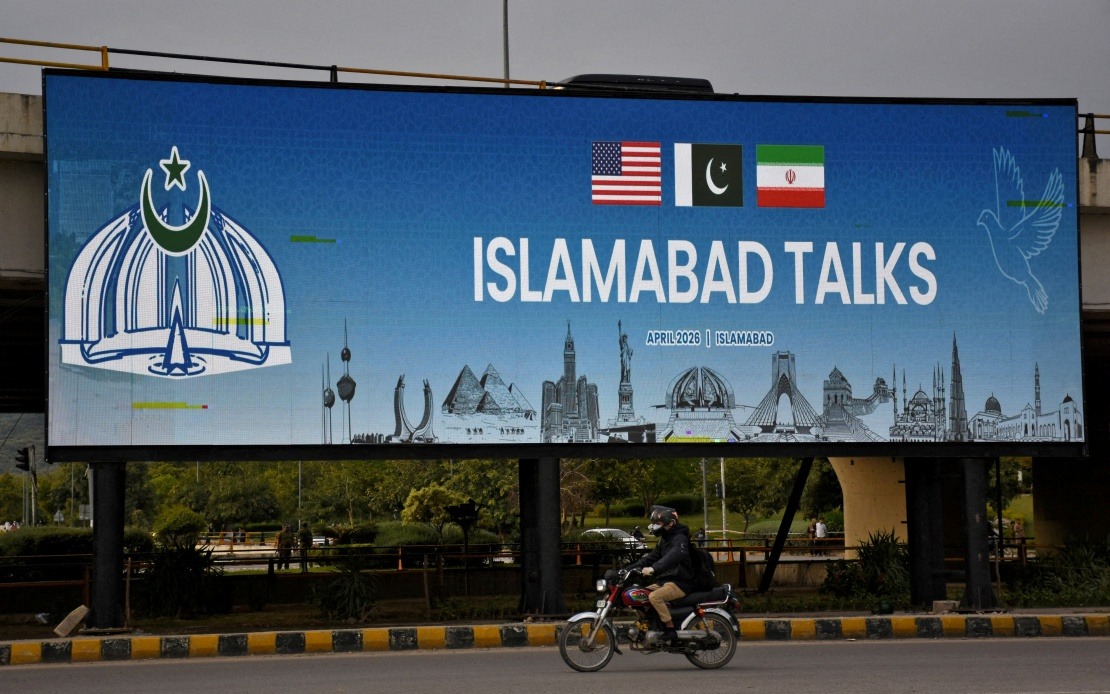
Diplomatic efforts to resolve the longstanding tensions between the United States and Iran are moving forward with a fresh round of talks scheduled for mid-July in Pakistan. According to reports from Al Arabiya news channel, negotiators from both nations will convene in Islamabad on July 11 to address several critical issues that have strained bilateral relations for decades. The venue selection underscores Pakistan's continued role as a bridge in Middle Eastern diplomacy, positioning the country as a neutral ground for resolving international disputes.
The agenda for these forthcoming discussions will encompass three interconnected dimensions of the bilateral dispute. Sanctions regime reform tops the list, with Iran seeking the removal of American economic penalties that have crippled its economy since the 1979 Islamic Revolution. Equally pressing is the question of Iran's frozen assets held in international banks and foreign accounts, resources that Tehran views as rightfully belonging to its citizens and critical for economic recovery. The nuclear question, however, remains the most technically complex and politically sensitive element, requiring specialist expertise and sustained negotiation.
Timing considerations add another layer of complexity to the diplomatic calendar. The Iranian delegation's composition will not be finalised until after the funeral of former Iranian Supreme Leader Ali Khamenei, scheduled for July 9. This internal Iranian political event, while ceremonial in nature, carries significant symbolism within the Islamic Republic and reflects the deep respect accorded to senior leadership figures. The funeral proceedings will necessarily preclude finalisation of Iran's negotiating team before the scheduled talks, creating a compressed timeframe for delegation preparation.
These upcoming discussions build upon a significant breakthrough achieved in mid-June when Washington and Tehran moved decisively to halt an escalating military confrontation. On the night of June 18, both nations remotely signed a memorandum of understanding that effectively ended the armed conflict that had erupted on February 28. This agreement represented a dramatic reversal from brinkmanship and demonstrated both parties' willingness to seek diplomatic solutions despite deep ideological divisions. The willingness of both capitals to engage in serious negotiation suggests that space exists for broader resolution of outstanding grievances.
The ceasefire memorandum contained several operationally significant provisions that address immediate security concerns. The United States committed to lifting its naval blockade of Iranian ports, a measure that had severely disrupted Tehran's maritime commerce and contributed to economic hardship. Reciprocally, Iran pledged to restore normal shipping through the Strait of Hormuz, one of the world's most strategically critical waterways through which roughly 30 percent of global seaborne oil passes. The restoration of normal maritime traffic carries implications far beyond Iran and the United States, affecting energy security and commerce throughout Southeast Asia and globally.
The nuclear dimension of these negotiations will follow a parallel timeline established within the ceasefire agreement. Both nations have committed to resolving the nuclear programme question through a dedicated negotiating process within a 60-day window. Iran has provided written assurances that it will not pursue nuclear weapons development, addressing the primary Western security concern that has dominated discussions for two decades. This commitment, if upheld through verification mechanisms, could substantially reduce regional tensions and create space for broader normalisation of Iran's international relations.
For Malaysian observers and policymakers, these developments carry significant strategic implications. As a maritime nation dependent on freedom of navigation through Middle Eastern waters, Malaysia benefits directly from the restoration of normal shipping through the Strait of Hormuz. Any escalation of US-Iran tensions disrupts supply chains, increases insurance costs for vessels transiting the region, and creates unpredictability in energy markets affecting domestic fuel prices. The successful conclusion of these negotiations would strengthen regional stability and reduce volatility affecting Southeast Asian economies.
Iran's pursuit of sanctions relief also affects Malaysia's commercial interests. Normalisation of Iran's economic position could eventually restore bilateral trade relationships, potentially benefiting Malaysian exporters and creating opportunities for regional cooperation. The broader principle of resolving disputes through negotiation rather than military confrontation resonates with Southeast Asia's commitment to peaceful conflict resolution enshrined in ASEAN principles and understandings.
Pakistan's selection as the venue reflects Islamabad's diplomatic positioning within South and West Asian geopolitics. As a predominantly Muslim nation with historical ties to Iran and strategic partnership with the United States, Pakistan possesses credibility with both parties. The choice demonstrates confidence in Pakistan's institutional capacity to provide secure facilities and impartial mediation support. It also reinforces Pakistan's emergence as a serious diplomatic player capable of hosting sensitive international negotiations.
The success of these negotiations depends substantially on flexibility and creative problem-solving from both delegations. Sanctions relief mechanisms require careful calibration to address legitimate American security concerns while providing Iran sufficient economic relief to justify the political costs of compliance. Asset unfreezing involves complex legal and financial arrangements spanning multiple jurisdictions and central banks. The nuclear agreement framework must establish verifiable commitments while respecting Iran's rights under international law.
Regional powers will monitor these developments closely, particularly Saudi Arabia and the United Arab Emirates, whose regional competition with Iran has driven much Middle Eastern instability. India and China, as major consumers of Middle Eastern energy, similarly have stakes in achieving sustainable peace that removes the risk of renewed conflict disrupting energy supplies. For Southeast Asia, successful US-Iran rapprochement would reduce the risk of broader regional destabilisation that could spill over into critical shipping lanes and energy corridors.
The July 11 negotiations in Pakistan represent a critical juncture in international relations with implications extending well beyond bilateral US-Iran relations. The outcomes will shape not only Middle Eastern geopolitics but also influence energy costs, maritime security, and economic opportunities throughout Asia. Malaysia and other ASEAN nations therefore have legitimate interest in seeing these negotiations progress toward sustainable resolution of the underlying disputes.

