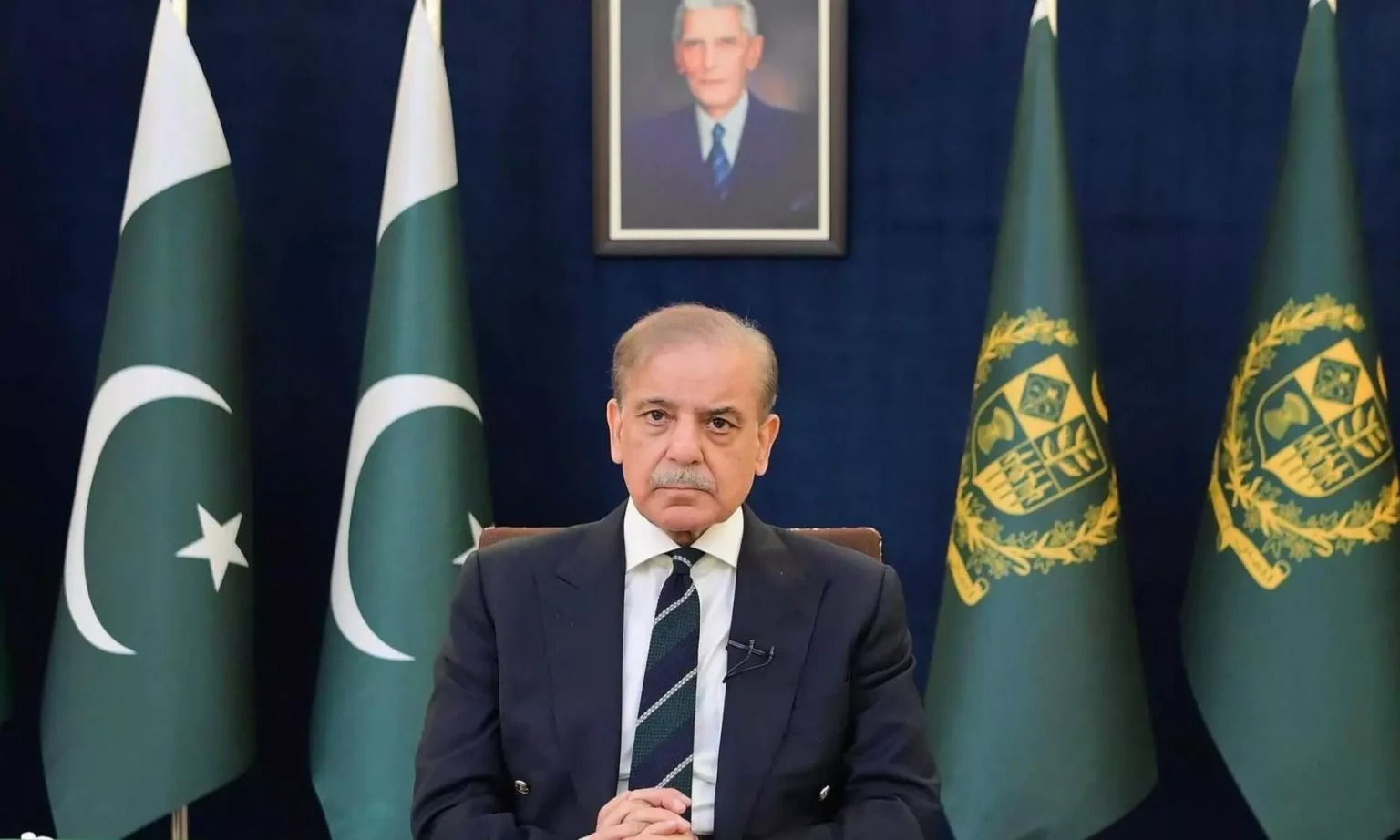
Pakistan's Prime Minister Shehbaz Sharif is set to travel to Tehran on July 4 to pay respects at the funeral of Iran's Supreme Leader Ayatollah Ali Khamenei, marking a significant diplomatic gesture during a period of regional transition in the Middle East. The three-day foreign mission, spanning July 3 to 5, underscores Pakistan's commitment to maintaining strong ties with its western neighbour and reflects the importance Islamabad places on Iran's geopolitical role in South and West Asian affairs.
The Pakistani Foreign Ministry confirmed the attendance through spokesman Tahir Andrabi during a media briefing held in Islamabad on Thursday. According to the official statement, Shehbaz's participation will serve as a formal expression of condolences from both the Pakistani people and government to Iran's leadership and the grieving family members. This public acknowledgement of the state visit signals Pakistan's intention to strengthen diplomatic relations at a time when Iran faces significant leadership transition.
The Prime Minister's delegation will be notably comprehensive, including Deputy Prime Minister and Foreign Minister Ishaq Dar alongside several other cabinet-level officials. The composition of the travelling party reflects the multilateral nature of the discussions expected during the Tehran visit, suggesting that economic, security, and strategic cooperation matters will likely feature prominently on the agenda.
Following the funeral ceremonies in Tehran, Shehbaz will proceed directly to Turkey, where he has accepted an invitation from Turkish President Recep Tayyip Erdogan. This two-nation itinerary demonstrates a strategic diplomatic approach, allowing Pakistan's leadership to engage simultaneously with two critical regional partners. The Turkish leg of the visit is expected to focus on bilateral relations and broader regional security concerns that affect both nations.
The timing of this diplomatic mission carries particular significance for Pakistan, which has traditionally maintained pragmatic relationships with both Iran and Turkey despite occasional tensions between these two powers. By attending the funeral and subsequently visiting Ankara, Pakistan reinforces its role as a bridge-builder in Middle Eastern geopolitics, capable of maintaining substantive engagement with multiple stakeholders regardless of their mutual differences.
Meanwhile, India is also sending a high-level representation to the funeral ceremony, though at a comparatively lower diplomatic rank. Bihar state governor Syed Ata Hasnain and deputy foreign minister Pabitra Margherita will represent New Delhi at the proceedings, indicating that India too recognises the importance of acknowledging Iran's transition, though perhaps with less institutional emphasis than Pakistan's approach.
For Malaysian readers and broader Southeast Asian observers, Pakistan's funeral attendance demonstrates how regional powers navigate complex geopolitical landscapes through traditional diplomacy. The event underscores that despite occasional tensions and differing strategic interests, countries maintain state-to-state protocols and courtesies that transcend ideological or political differences.
The funeral itself represents a watershed moment for Iran's internal governance and regional influence. Ayatollah Khamenei's death comes at a time when Iran faces mounting international pressures and internal challenges. Pakistan's decision to send its Prime Minister rather than a lower-ranking official signals confidence in continuity of bilateral relations regardless of who ultimately emerges as Khamenei's successor or how Iran's leadership structure evolves.
From a Southeast Asian perspective, this diplomatic activity highlights how Middle Eastern political developments reverberate through international relations. The funeral attendance by major regional and global powers will likely shape perceptions of Iran's continued relevance and influence in regional affairs during the succession period.
Pakistan's dual-nation visit also reflects broader strategic calculations. Turkey remains a crucial partner for Pakistan in NATO-related discussions and Middle Eastern affairs, while Iran continues to be vital for energy security and regional stability. By maintaining active engagement with both nations simultaneously, Pakistan preserves its strategic flexibility and demonstrates diplomatic sophistication that many developing nations aspire to achieve.
The funeral ceremonies themselves are expected to draw participants from across the Muslim world and beyond, creating an unprecedented gathering of international dignitaries. This convergence provides opportunities for bilateral meetings and strategic discussions that extend well beyond the formal funeral proceedings.
For Pakistan specifically, the visit represents continuity in foreign policy despite domestic political challenges. The inclusion of Foreign Minister Ishaq Dar ensures that technical discussions on bilateral matters can proceed in parallel with ceremonial obligations, maximising the diplomatic utility of the trip.
The international attendance at the funeral will likely provide early signals regarding how various nations intend to engage with Iran during its leadership transition period, making this event a crucial reference point for understanding future regional diplomatic alignments and strategic partnerships in West and South Asia.

