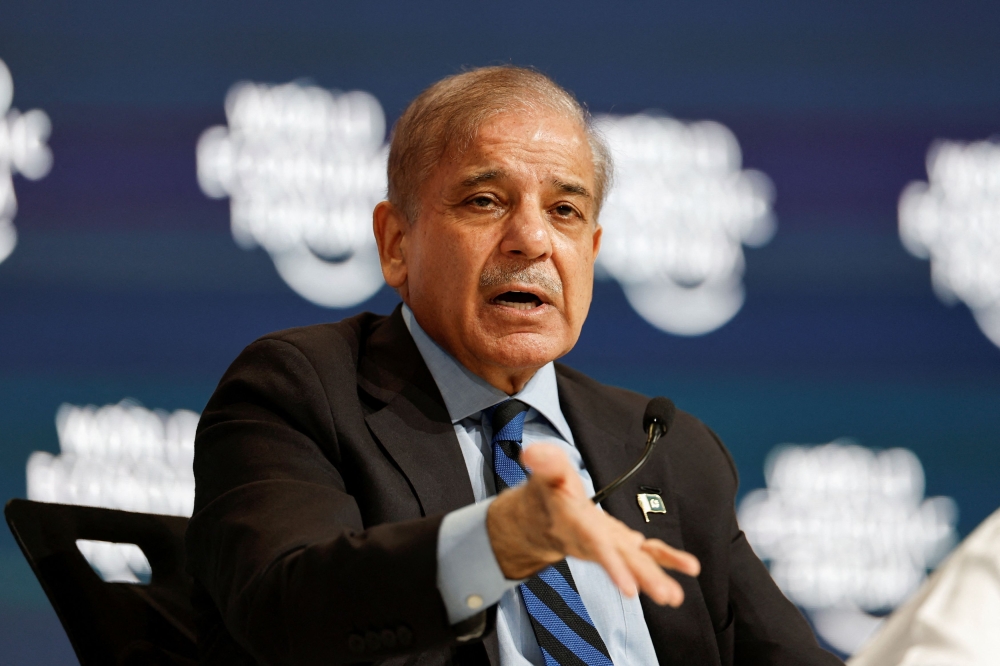
Pakistani Prime Minister Shehbaz Sharif has conveyed heartfelt wishes for the swift recovery of Malaysian Prime Minister Datuk Seri Anwar Ibrahim following a medical procedure, demonstrating the close diplomatic ties maintained between Islamabad and Kuala Lumpur at the highest levels of government. The gesture reflects the personal rapport between the two leaders and the importance both nations place on their ongoing bilateral relationship amid broader regional dynamics.
The message of goodwill sent by Sharif carries significance beyond mere diplomatic courtesy. Pakistan and Malaysia have long maintained cordial relations underpinned by shared Islamic heritage, complementary economic interests, and strategic cooperation within multilateral forums. Both nations are active participants in the Organisation of Islamic Cooperation and frequently coordinate positions on regional and international matters affecting Muslim-majority countries.
Anwar Ibrahim's tenure as Prime Minister has witnessed a recalibration of Malaysia's foreign policy, with renewed emphasis on strengthening ties with key players across South Asia and beyond. Pakistan, as the world's fifth most populous nation and a significant player in South Asian geopolitics, occupies an important position in Malaysia's diplomatic calculus. The exchange of courtesies between the two premiers underscores the continuity of this engagement despite domestic political transitions in either nation.
Shehbaz Sharif himself has navigated a complex political landscape in Pakistan, assuming the premiership amid challenging economic circumstances and the need to restore investor confidence. His tenure has been characterised by pragmatic diplomacy aimed at broadening Pakistan's international partnerships. Malaysia, with its developed economy, strategic location in Southeast Asia, and influence within ASEAN, represents a valuable partner for Pakistani interests in the broader Asian region.
The timing of such diplomatic overtures also reflects the broader context of regional stability and cooperation. Both Southeast Asia and South Asia face common challenges including terrorism, transnational crime, maritime security, and economic vulnerabilities to global market fluctuations. Enhanced communication and goodwill between Malaysia and Pakistan at the leadership level facilitate better coordination on these shared concerns through bilateral channels and multilateral organisations.
Trade and investment constitute another pillar of Malaysia-Pakistan relations. Malaysian companies have invested in various sectors across Pakistan, whilst Pakistani workers and professionals contribute to Malaysia's economy, particularly in the services and construction sectors. The wellbeing of each nation's leadership thus carries practical implications for citizens and business communities on both sides. A healthy and functioning government ensures stability and predictability necessary for commerce and investment flows.
Anwar Ibrahim's political journey and current position as Prime Minister have attracted international attention, particularly given Malaysia's significance as a moderate Muslim-majority democracy and Southeast Asia's largest economy. His administration has sought to position Malaysia as a bridge-building nation capable of facilitating dialogue between different regions and civilisations. Sharif's courteous gesture aligns with this vision of enhanced multilateral engagement and mutual respect among world leaders.
The incident also illustrates how personal relationships between political leaders continue to matter in international relations alongside institutional frameworks and formal agreements. Sharif's public expression of concern for Anwar's health demonstrates the human element of statecraft, reminding observers that behind policy positions and strategic calculations lie individuals with bonds of mutual respect and shared values. This personalised dimension of diplomacy often facilitates smoother negotiations and deeper understanding between nations.
Looking forward, continued high-level engagement between Malaysia and Pakistan could yield tangible benefits in multiple domains. Enhanced cooperation in education, with increased scholarship opportunities for Pakistani students in Malaysian institutions, could strengthen human-to-people ties. Similarly, sectoral cooperation in technology, manufacturing, and financial services could create new avenues for mutual prosperity. Such initiatives thrive best when leadership demonstrates commitment and goodwill, as evidenced by Sharif's recent message.
For Malaysian observers, the broader significance lies in recognising Pakistan's evolving role within Asia's emerging geopolitical architecture. As China's ambitious Belt and Road Initiative reshapes connectivity across the region, and as India asserts its regional ambitions, Pakistan's strategic positioning matters considerably. Malaysia's cultivation of balanced relationships across South and East Asia positions the nation to benefit from multiple partnerships whilst maintaining its independent foreign policy orientation.
The medical situation, whilst addressed through courtesy, also reminds all stakeholders of the importance of institutional continuity and succession planning in government. Both Malaysia and Pakistan have experienced periods of political uncertainty and transition, making strong institutional frameworks essential for sustained development and international credibility. When leadership demonstrates resilience and maintains diplomatic engagement despite personal challenges, it sends reassuring signals to international partners, investors, and citizens alike.
As Anwar Ibrahim recovers and continues his tenure, the foundation of goodwill established through exchanges like Sharif's message provides valuable social capital for future collaboration. Whether addressing shared security threats, coordinating development initiatives, or simply engaging in regular consultations, such diplomatic warmth facilitates the productive dialogue necessary for addressing contemporary challenges. The incident, though seemingly routine on the surface, exemplifies the often-invisible groundwork of international relations that enables nations to work together effectively.

