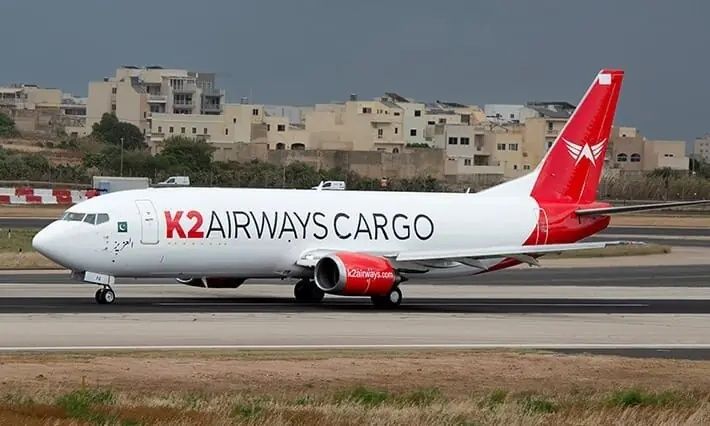
Pakistan has intensified search and rescue operations for a K2 Airways Boeing 737-400 cargo aircraft that vanished off the country's southern coast while approaching Karachi from the United Arab Emirates. Prime Minister Shehbaz Sharif confirmed the tragic incident on Wednesday, stating that the plane, which carried five crew members, had crashed into the Arabian Sea. The disappearance marks another aviation incident for a nation that has struggled with air safety concerns over the past decade.
The Pakistan Airports Authority disclosed that the aircraft encountered difficulties while descending towards Karachi late on Tuesday evening. At 21:21 Pakistan Standard Time, radar operators detected the plane "rapidly descending" with a "rapid heading change" approximately 155 nautical miles west of Karachi. The crew had previously reported a "navigational system issue" to air traffic control, signalling mechanical problems in the final moments before contact was lost. The sequence of events suggests the pilots were grappling with significant technical challenges during the approach.
Flightradar24, an independent flight-tracking service, released preliminary telemetry data that painted a concerning picture of the aircraft's final moments. The data showed the plane initially losing altitude, then attempting a climb before experiencing a "sudden and dramatic loss of altitude" in quick succession. This erratic flight pattern indicates the pilots may have been attempting to recover from an unexpected malfunction, though their efforts ultimately proved unsuccessful. The compressed timeline of these events, combined with the reported navigational failure, suggests the crew had minimal time to respond to the emergency.
Prime Minister Shehbaz Sharif expressed his "deep sorrow, grief, and regret over the tragic incident," offering official condolences to the families of the five crew members. His office issued a statement directing Pakistan's civil aviation authorities, navy and air force to mobilise all available resources for the search and rescue operation. This high-level engagement reflects the gravity with which the government is treating the incident and underscores the urgency of locating the aircraft and determining what occurred.
The coordinated response involving multiple military and civilian agencies demonstrates the scale of the operation. Both naval vessels and merchant ships have joined military aircraft in combing the Arabian Sea for wreckage and survivors. However, the depth of the sea and challenging maritime conditions in the region present significant obstacles to recovery efforts. Sources familiar with the operation indicate that authorities are working against time, as the waters where the plane is believed to have gone down are subject to strong currents that could disperse wreckage across a wide area.
K2 Airways, the operator of the missing aircraft, is a private Pakistani cargo airline operating both scheduled and charter services across domestic and international routes. The airline's fleet comprises several cargo-configured aircraft serving regional logistics networks. The loss of this aircraft represents a significant operational setback for the carrier and raises questions about maintenance protocols and crew training at private carriers operating in Pakistan's aviation sector.
The Boeing 737-400 that disappeared has an operational history spanning more than two decades. The aircraft was manufactured in 1999 and initially served as a passenger plane for Russian carrier Aeroflot before being transferred to Indonesian airline Garuda Indonesia. In 2012, the plane was converted from passenger to cargo configuration, allowing it to carry freight rather than people. This conversion and subsequent operational history are now under scrutiny as investigators attempt to determine whether maintenance or structural factors contributed to the incident.
Pakistan's aviation sector has faced persistent challenges with safety standards and regulatory oversight. The nation experienced several major aviation disasters in the previous decade, including fatal crashes in Karachi that claimed numerous lives. These incidents prompted international scrutiny, culminating in the European Union imposing a four-year ban on Pakistan's national carrier, Pakistan International Airlines, from European airspace due to safety and licensing deficiencies. Though the EU lifted this ban in 2024 following improvements in oversight, the latest incident will likely reignite concerns about whether systemic safety improvements have been adequately implemented across the entire Pakistani aviation industry.
The disappearance of the K2 Airways aircraft raises important questions about safety standards at private carriers operating cargo flights. Unlike passenger services that receive heightened regulatory attention, cargo operations sometimes operate with less intensive oversight. The incident will likely prompt aviation authorities to review maintenance schedules, crew training requirements, and technical certification processes across private carriers. Regional aviation authorities in Southeast Asia and the Middle East will also monitor developments closely, as Pakistani carriers operate extensive routes throughout the broader region servicing logistics networks that connect Malaysia, Singapore and other regional hubs to South Asian markets.
For Malaysian aviation professionals and industry observers, this incident underscores the continuing importance of rigorous safety standards across commercial aviation networks. Pakistan's geographic position as a transit route for considerable cargo traffic means that incidents involving Pakistani carriers affect regional supply chains. The incident also highlights challenges that developing aviation markets face in balancing operational growth with safety compliance, a balance that Malaysia's aviation authority has worked to maintain through consistent investment in infrastructure and regulatory rigour.
Investigators will focus on the aircraft's maintenance records, crew qualifications, and the specific navigational system malfunction reported during the final moments. Weather conditions at the time of the incident and potential mechanical failures in critical systems will be examined. The recovery of flight data recorders, if possible, will be crucial to understanding the sequence of events and whether the aircraft encountered structural, electrical or systems failures. These findings will have implications not only for K2 Airways' future operations but also for how Pakistan's civil aviation authority supervises private carriers going forward.

