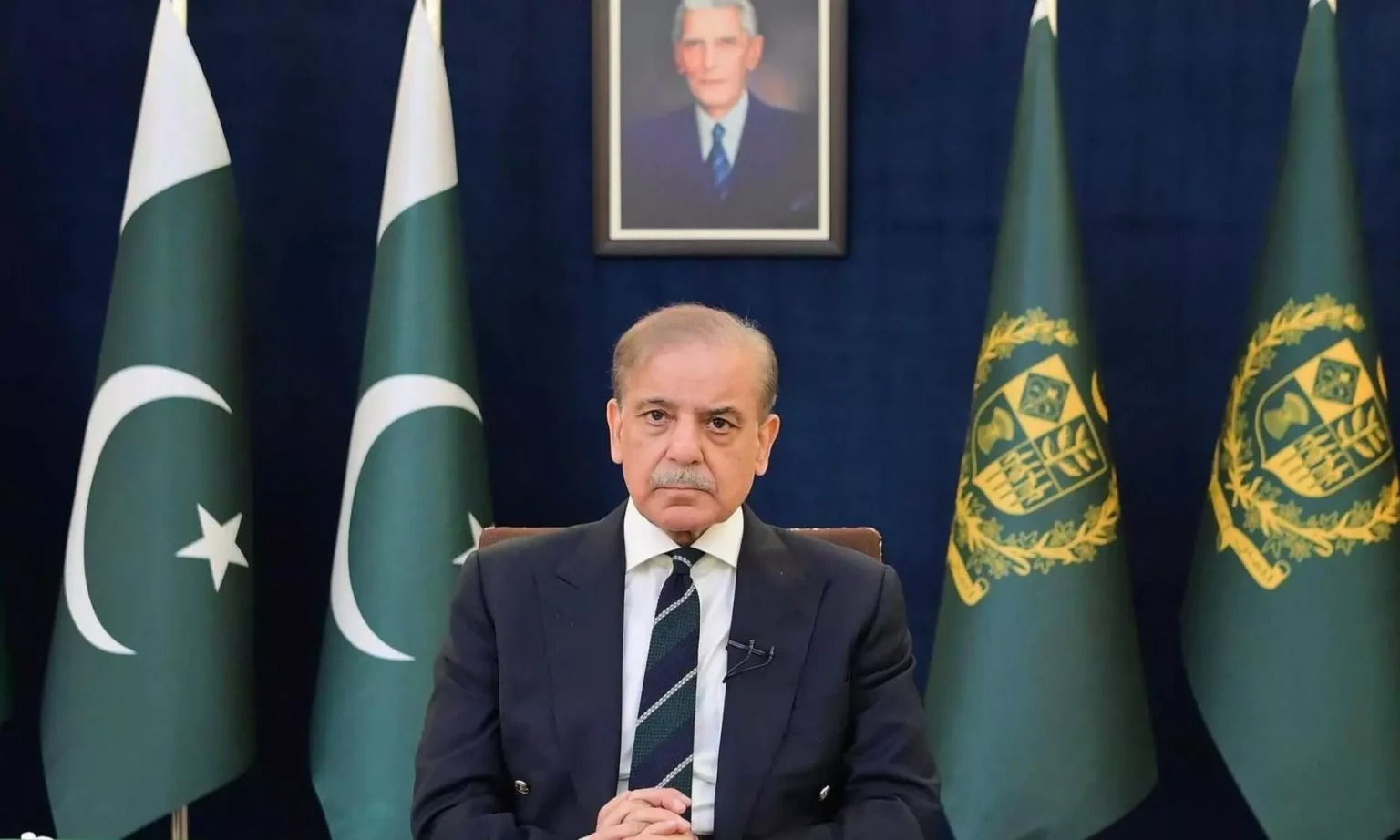
Pakistan and Syria are embarking on a significant diplomatic reset, with both nations committed to broadening their engagement across multiple strategic and economic domains. The catalyst for this renewed partnership is Syrian Foreign Minister Asaad Hassan Al Shaibani's visit to Islamabad, a landmark development representing the first visit by a Syrian foreign minister to Pakistan in nearly two decades. During his stay, Shaibani held substantive discussions with Pakistan's senior leadership, signalling both nations' determination to translate historical ties into tangible collaborative outcomes.
Prime Minister Shehbaz Sharif used the occasion to reaffirm Pakistan's steadfast backing for Syria's sovereignty and territorial coherence, whilst simultaneously articulating support for Syria's position on the contested Golan Heights. This explicit endorsement carries particular significance given the complexity of Middle Eastern geopolitics, where Syria remains engaged in territorial disputes and faces international pressure on multiple fronts. By aligning with Syrian interests on this sensitive issue, Pakistan reinforces its positioning within the broader non-aligned movement and demonstrates commitment to supporting nations resisting territorial encroachment.
The discussions between Pakistani and Syrian officials transcended traditional diplomatic courtesies to encompass concrete sectoral cooperation. According to Pakistan's Foreign Ministry, both sides identified defence, trade, investment, education, and human resource development as priority areas for expansion. This multifaceted approach suggests the partnership extends beyond symbolic gestures towards addressing genuine mutual interests and capacity-building opportunities. For Pakistan, engagement with Syria offers avenues to strengthen regional networks and demonstrate leadership beyond South Asia. For Syria, rebuilding international partnerships is crucial as it navigates post-conflict reconstruction and seeks to restore its standing in global affairs.
Connectivity emerged as a pivotal theme during the ministerial talks, with both nations agreeing to explore the resumption of direct flight services. The restoration of aviation links would facilitate substantially increased people-to-people contact, enabling easier travel for business delegations, tourists, students, and cultural groups. Such connectivity initiatives typically yield cascading benefits beyond immediate tourism or trade figures, fostering interpersonal understanding and creating networks that sustain long-term diplomatic cooperation. For Malaysian observers, this demonstrates how infrastructure investments in aviation and transportation can serve as diplomatic infrastructure, underpinning broader geopolitical relationships.
Deputy Prime Minister and Foreign Minister Ishaq Dar engaged with Shaibani on a comprehensive array of regional and international challenges, including the Palestinian situation, Afghanistan's evolving political landscape, South Asian dynamics, and developments across West Asia. This expansive dialogue reflects the interconnected nature of contemporary geopolitics, whereby bilateral relationships necessarily incorporate positions on issues transcending direct bilateral concerns. Pakistan's capacity to engage thoughtfully on these complex matters while maintaining its own strategic interests demonstrates diplomatic sophistication.
Syria's endorsement of the Makkah Joint Defence Agreement carries strategic implications for regional balance. By welcoming this initiative, Syria signals openness to cooperative security frameworks within the Islamic world, potentially positioning itself for reintegrated engagement with Gulf states and other Muslim-majority nations. Pakistan's facilitative role in regional de-escalation, particularly its efforts regarding United States-Iran tensions, received commendation from Shaibani. This recognition underscores Pakistan's value as a potential mediator in Middle Eastern conflicts, a positioning that elevates its diplomatic relevance and soft power capabilities.
The economic dimension of Pakistan-Syria engagement received dedicated attention through discussions between Syrian Foreign Minister Shaibani and Pakistan's Commerce Minister Jam Kamal Khan. These conversations prioritised expanding bilateral trade and investment flows whilst addressing Syria's substantial infrastructure and reconstruction requirements. Syria's decade-long conflict has devastated its physical and economic infrastructure, creating substantial opportunities for reconstruction contracts and development partnerships. Pakistani companies, particularly those with regional experience and capital availability, represent potential partners for Syrian reconstruction initiatives.
Khan's emphasis on intensifying private sector interaction signals recognition that sustainable economic partnerships require engagement beyond government agencies. By encouraging Pakistani and Syrian business communities to establish direct connections, both nations aim to catalyse commercial relationships resilient to diplomatic fluctuations. The proposed joint business council represents an institutional mechanism to systematise these private sector connections, provide dispute resolution mechanisms, and coordinate on regulatory harmonisation. Such councils have proven effective across Asia in facilitating trade growth and investment flow.
For Southeast Asian nations including Malaysia, the Pakistan-Syria diplomatic engagement illustrates broader patterns of relationship revitalisation across the Islamic world and developing economies. As established partners within ASEAN and increasingly active participants in Middle Eastern affairs through economic investments and labour migration, Southeast Asian countries benefit from enhanced stability and cooperation across their extended neighbourhood. Pakistani-Syrian partnership strengthening reduces potential flashpoints whilst creating new opportunities for multilateral cooperation through forums where both nations participate.
The timing of this diplomatic initiative reflects evolving regional calculations, particularly as Middle Eastern nations gradually normalise relationships following years of conflict and tension. Syria's stepped international re-engagement, though cautious and contested by some nations, creates opportunities for countries like Pakistan to establish or restore partnerships without necessarily contradicting existing international alignments. This delicate navigation requires diplomatic skill, demonstrated through Pakistan's ability to support Syria whilst maintaining its complex relationships with Gulf states, Western powers, and neighbouring countries.
Looking forward, the trajectory of Pakistan-Syria relations will depend on translating these high-level commitments into concrete results. Direct flights require commercial viability and airline cooperation. Trade expansion necessitates compatible regulatory frameworks and removal of non-tariff barriers. Joint business councils require effective secretariats and genuine commitment from private sectors. Defence cooperation requires clarity on specific domains and modalities. Educational exchange programmes require scholarship allocations and institutional partnerships. The gap between diplomatic statements and implementation often determines whether partnerships prove enduring or ephemeral.

