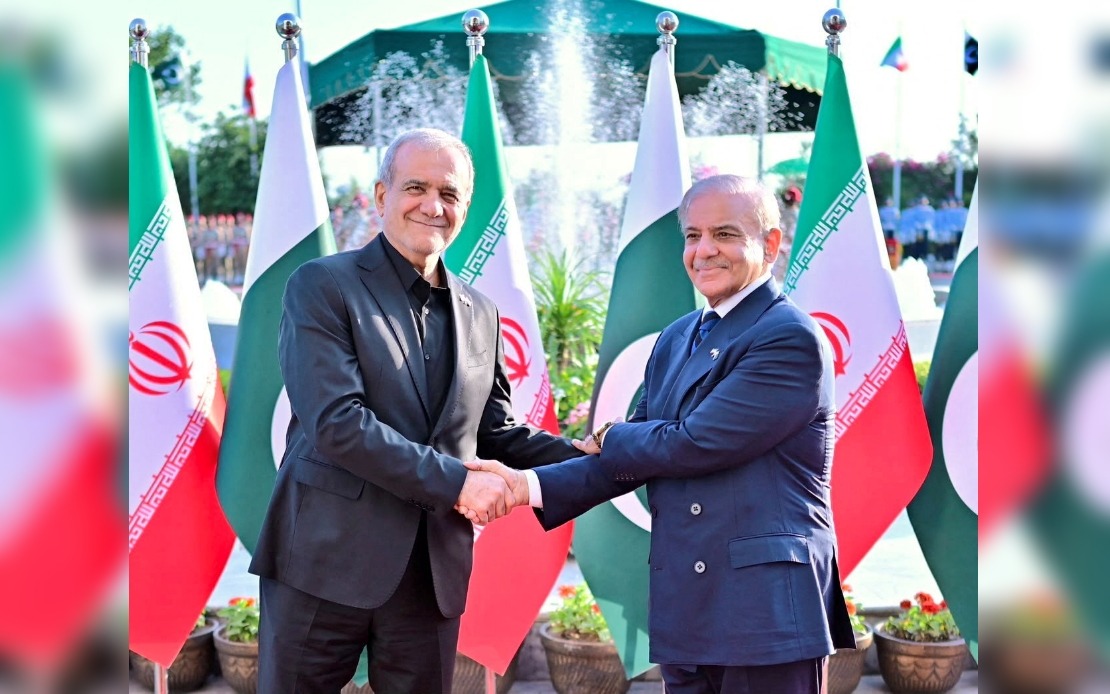
Officials from Pakistan and Iran have signalled renewed commitment to restoring a tri-nation freight railway corridor that could fundamentally reshape trade patterns across South Asia, the Middle East and beyond. During discussions in Islamabad this week, Pakistan's Railway Minister Muhammad Hanif Abbasi and Iranian Interior Minister Eskandar Momeni pledged to work towards reviving the Islamabad-Tehran-Istanbul freight train service, a project that carries significant implications for regional integration and economic growth across multiple continents.
The Islamabad-Tehran-Istanbul corridor once represented an ambitious attempt to create seamless rail connectivity spanning three countries and linking South Asia directly with Turkey and beyond to Europe. After operating successfully for years, the service was suspended a decade prior but briefly resumed in December 2021 following sustained diplomatic efforts. However, the revival proved short-lived, with operational challenges and logistical complications forcing another halt in 2022. The latest discussions suggest both nations now believe those earlier obstacles can be overcome with renewed cooperation and investment.
According to statements from Islamabad, both governments recognise the strategic potential of the restored corridor to unlock substantially greater commercial activity. Pakistan officials emphasised that reactivating the route would facilitate more robust trade relationships between the three participating nations whilst simultaneously providing landlocked Central Asian states, Russia and European markets with improved access to South Asian ports and resources. For Pakistan in particular, such connectivity represents a pathway to monetise its geographic position as a natural transit hub between the Arabian Sea and the Asian heartland.
The rehabilitation effort centres substantially on infrastructure modernisation within Pakistan's territory. The government has prioritised upgrades to its Main Line-3 railway network, which traverses the provinces of Sindh and Balochistan and forms the critical domestic link to Iran. Abbasi announced that this major undertaking will commence during the current financial year, with authorities targeting completion by December 2029. This timeline suggests a multi-billion rupee commitment to standardising gauge, improving track quality and enhancing operational capacity along this crucial corridor.
Iran's role in the project remains equally essential. Officials in Tehran have undertaken comprehensive modernisation of the Zahedan-Mirjaveh railway line, with completion anticipated within the coming month. However, the success of the entire tri-nation service ultimately hinges upon Pakistan's ability to construct a standard-gauge rail line connecting Mirjaveh to Taftan, both situated in Pakistan's Balochistan province. Momeni specifically urged Pakistani authorities to prioritise this segment, arguing that synchronising rail standards and operational protocols across the border represents a prerequisite for seamless freight movement.
From a Malaysian and Southeast Asian perspective, the revival of this corridor carries noteworthy implications. Any improvement in connectivity between South Asia and Central Asia historically creates alternative routing options for regional trade, potentially reducing dependence on maritime routes through congested straits. Malaysian shipping interests and trading companies operating across the region may face new competitive pressures if land-based freight corridors become viable, whilst simultaneously gaining access to new markets previously reached primarily through longer maritime journeys.
The geopolitical dimensions deserve consideration as well. Pakistan's efforts to strengthen transportation links with Iran occur against a backdrop of complex regional relationships. The project also implicitly strengthens ties with Turkey, a NATO member, creating an interesting triangular dynamic. For China's Belt and Road Initiative supporters, such corridors represent precisely the kind of multi-modal connectivity infrastructure that underpins the broader Eurasian integration vision. The corridor's activation would add another piece to the evolving network of land routes linking East Asia with Europe and the Middle East.
The specific technical challenges that derailed the service between 2022 and now remain incompletely detailed in official statements. Previous suspensions reportedly stemmed from combinations of logistical bottlenecks, security concerns in volatile border regions, customs procedures and maintenance difficulties. That both nations are willing to invest substantial resources in addressing these suggests genuine confidence that solutions exist, though scepticism regarding implementation timelines remains warranted given past false starts.
The December 2029 completion target for Pakistan's Main Line-3 represents an ambitious schedule that will require consistent funding, technical expertise and political commitment across multiple administrations. Infrastructure projects in the region frequently encounter delays owing to budgetary constraints, security incidents and shifting political priorities. The Pakistani government's ability to maintain momentum throughout this period will substantially determine whether these current statements of intent translate into functioning cross-border freight operations.
Successful restoration would meaningfully alter regional trade dynamics by providing shippers with surface transportation alternatives to maritime routes. For Pakistani exporters and manufacturers, direct rail access to Iranian markets and onward connections to Europe would reduce delivery times and transportation costs for certain commodity categories. The service would particularly benefit bulk goods, minerals and agricultural products where transit time differences matter substantially for competitiveness and freshness preservation.
The timing of these discussions also reflects broader efforts by Pakistan to diversify its economic partnerships and reduce isolation. Strengthened connectivity with Iran and Turkey signals Islamabad's commitment to regional cooperation frameworks distinct from its traditional Western alignments. Such positioning carries implications for Pakistan's relationship with China and potential participation in evolving Asian economic architectures that may compete with Western-led trading systems.
Looking ahead, success requires meticulous coordination between Pakistani, Iranian and Turkish railway authorities, customs officials and logistics providers. Beyond the infrastructure investments, both nations must establish compatible operational standards, tariff structures and dispute resolution mechanisms. The earlier suspension suggests that merely completing tracks proves insufficient; sustainable operation demands institutional arrangements that survive political fluctuations and accommodate the varied interests of multiple stakeholder groups across three jurisdictions.

