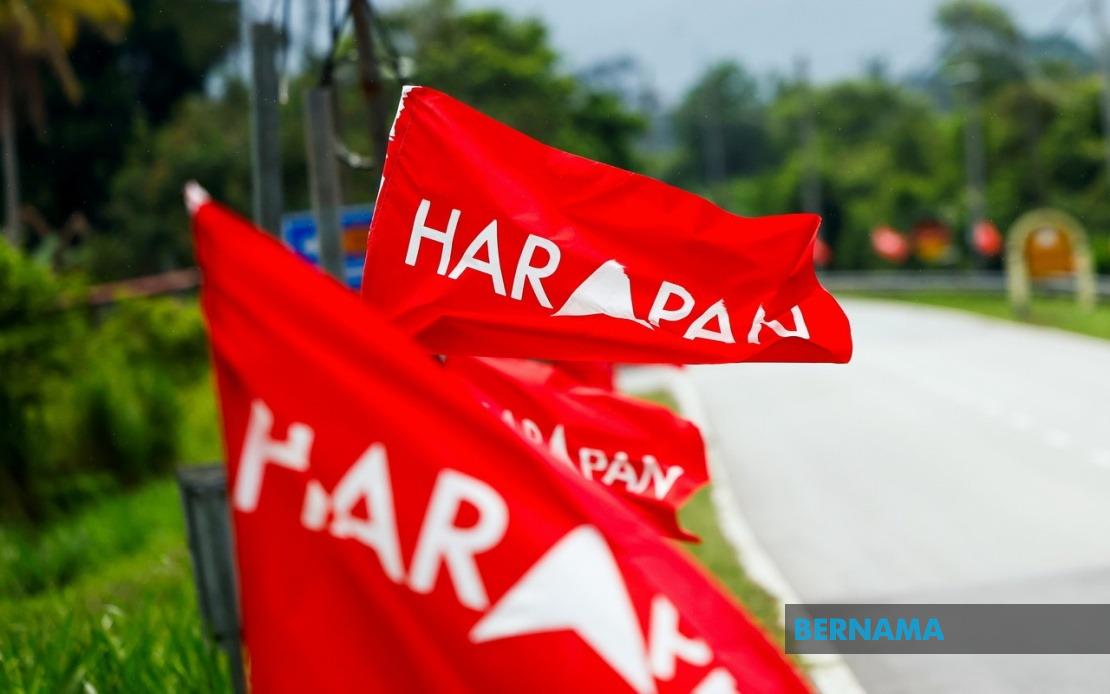
Pakatan Harapan is set to unveil its campaign platform for the 16th Negeri Sembilan state election, with the coalition promising to build on achievements made since assuming control of the state government six years ago. The manifesto launch, scheduled for tomorrow evening, will centre on consolidating the economic and social progress that voters have witnessed under PH administration, according to party officials preparing for the campaign push.
Datuk Muhammad Zaki Md Sabri, who coordinates PH's field operations in Negeri Sembilan, explained that the manifesto has been meticulously crafted by senior party figures to deliver tangible benefits across both economic and social dimensions. The document reflects the coalition's strategy of positioning itself as a proven administrator capable of maintaining momentum on development initiatives that have shaped the state over the past six years. By emphasising continuity rather than revolutionary change, PH appears to be leveraging voter satisfaction with existing programmes and infrastructure improvements.
The exact venue and which senior leaders will attend the manifesto launch will be announced separately by the PH secretariat, though the timing suggests a carefully choreographed event designed to capture media attention and set the tone for the final weeks of campaigning. The manifesto's emphasis on the state's existing trajectory signals that PH intends to contest the election primarily on the grounds of competent stewardship and proven delivery, rather than proposing dramatic policy shifts.
Muhammad Zaki expressed satisfaction with how campaign operations have unfolded in the opening days, noting that logistics support for PH candidates has functioned smoothly and that party machinery has encountered encouraging responses from voters at the grassroots level. These positive early indicators suggest the coalition believes it maintains organisational advantage and voter goodwill as the campaign enters its second phase. The smooth operational start provides a foundation for sustained momentum through to election day.
Beyond internal party dynamics, Muhammad Zaki called for all competing parties to maintain ethical campaign standards, specifically urging candidates and supporters to refrain from inflammatory rhetoric and to avoid weaponising sensitive national issues. His appeal for restraint regarding religion, royalty and race reflects broader Malaysian political conventions that seek to prevent electoral contests from fracturing along communal lines. This framing positions PH as the responsible actor advocating for a dignified campaign environment, potentially appealing to voters fatigued by divisive political messaging.
Negeri Sembilan's electoral framework sets clear parameters for this contest. The state assembly was formally dissolved on June 5, with the Election Commission scheduling the main polling day for August 1 and permitting early voting on July 28. This timeline provides candidates and parties with roughly six weeks to conduct ground campaigns and persuade voters. The compressed campaign period intensifies the importance of early momentum and effective messaging, making the manifesto launch a strategically critical moment.
The voter rolls reveal the scale of the electoral task ahead. A total of 889,490 registered voters are eligible to participate, comprising 867,151 ordinary voters alongside 16,884 military personnel and their spouses and 5,455 police officers designated as early voters. This composition, with military and security force members able to vote earlier, requires campaigns to tailor messaging appropriately for different voter segments with distinct priorities and concerns.
For PH, the manifesto must articulate a vision that resonates across this diverse voter base while remaining grounded in concrete achievements and deliverables. The coalition cannot rely solely on abstract promises; voters in Negeri Sembilan will evaluate PH's performance against tangible outcomes in areas such as employment, infrastructure quality, healthcare access and cost of living. The manifesto therefore serves as both a statement of intent and an implicit acknowledgment of the accountability PH faces for its record in office.
The state election represents a significant test of PH's political fortunes at the subnational level following the coalition's return to federal government in 2022. Electoral performance in Negeri Sembilan will provide indicators of voter sentiment in one of Malaysia's smaller states and offer insights into how broader political dynamics are playing out in specific regions. A strong showing would reinforce PH's positioning as a credible force capable of managing state governance effectively, while any setback could embolden opposition parties and create complications for federal coalition stability.
Looking beyond the immediate campaign cycle, the manifesto unveiling signals PH's confidence in defending its hold on the state administration. By emphasising continuity and demonstrating how party leadership has invested effort in designing a comprehensive platform, PH seeks to project an image of serious governance focused on practical delivery rather than empty rhetoric. This approach appeals particularly to voters prioritising stability and institutional competence over political drama or personalised leadership cults.
The coming weeks will test whether PH's campaign narrative resonates with Negeri Sembilan voters and whether the coalition can convert initial campaign momentum into polling day victories. The manifesto provides the intellectual architecture for this effort, but ground-level campaign execution, candidate quality, and the broader political environment will ultimately determine outcomes. For Malaysian observers tracking state-level politics, the Negeri Sembilan election offers a revealing window into contemporary voter preferences and coalition effectiveness in competitive electoral environments.

