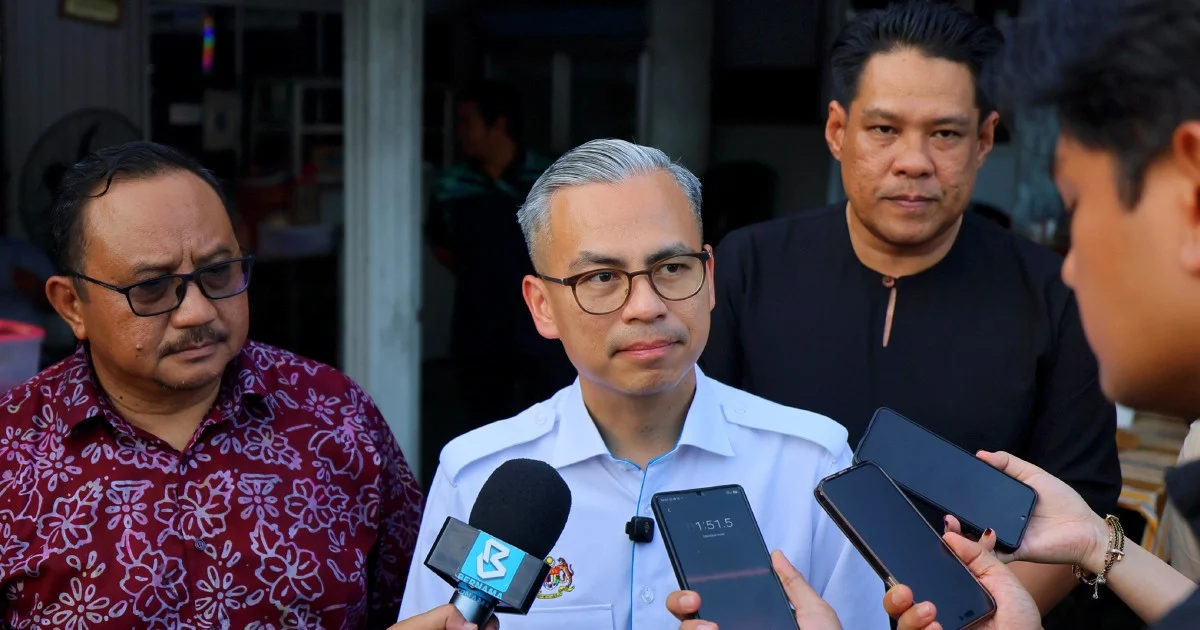
Pakatan Harapan is preparing a comprehensive campaign approach for the upcoming Johor state election that weaves together digital engagement and traditional on-the-ground mobilisation efforts. The coalition's strategy reflects a recognition that modern electoral campaigns cannot succeed through either traditional or online channels alone, but instead require a coordinated push across multiple voter touchpoints. This dual-track method comes as coalition leaders seek to rebuild support in Johor, a state where PH has faced considerable headwinds in recent electoral contests.
The decision to maintain parallel campaign tracks acknowledges the changing media landscape across Malaysia, where digital access and traditional community organising coexist in most constituencies. While younger, urban voters increasingly rely on social media platforms for political information, substantial segments of the electorate—particularly in semi-rural and rural areas—continue to value direct personal engagement with candidates and party representatives. By pursuing both approaches simultaneously, Pakatan Harapan aims to avoid the false choice between modernising its campaign machinery and maintaining the ground infrastructure that has historically anchored its support networks.
Digital campaigning offers the coalition distinct advantages in Johor's competitive political environment. Social media platforms enable rapid message dissemination, targeted audience segmentation, and cost-effective advertising compared to traditional broadcast media. These channels also allow PH to circumvent editorial gatekeeping and speak directly to voters through carefully curated content. For a coalition that has faced criticism over media coverage in certain quarters, this direct-to-voter capability represents a meaningful strategic asset. The approach also permits real-time responsiveness to opposition messaging and rapid amplification of campaign events and policy announcements.
Conversely, ground campaigning remains irreplaceable for building the personal relationships and community presence that translate into sustained voter loyalty. Johor voters, like their counterparts throughout Malaysia, often make electoral decisions based on direct interactions with candidates, assessment of local leadership track records, and community networks shaped through consistent constituency engagement. Door-to-door canvassing, community forums, and localised events create opportunities to address constituent concerns that may not register prominently on social media but weigh heavily on voting decisions. This ground presence also strengthens party machinery, reinvigorates volunteer networks, and generates the internal momentum necessary for effective get-out-the-vote operations on election day.
The coalition's hybrid approach must contend with several operational challenges. Coordinating messaging across digital and traditional channels requires disciplined central direction to prevent contradictory signals from undermining campaign coherence. The resource intensity of maintaining simultaneous digital and ground operations demands sophisticated logistics, trained personnel, and sustained funding. For a coalition that has grappled with internal coordination difficulties in past campaigns, executing this dual-track strategy will test organizational capabilities. Party officials must ensure that social media operations do not cannibalise resources from ground efforts or create a false impression of momentum that exceeds actual voter mobilisation.
Johor's particular electoral context makes this balanced strategy especially pertinent. The state has swung between coalition blocs in recent years, with voters demonstrating willingness to shift allegiances based on local circumstances and leadership performance. This volatility means that PH cannot rely solely on traditional party machinery or assume that social media amplification alone will restore eroded support. The coalition must simultaneously strengthen its grassroots presence, demonstrate effective governance in constituencies it currently holds, and deploy sophisticated digital messaging that resonates with diverse voter segments. The Johor electorate has proven increasingly discerning about political claims, requiring campaigns that combine substance with accessibility.
Regional significance extends beyond Johor's borders, as campaign innovations tested in the state often influence broader Malaysian electoral politics. Pakatan Harapan's explicit commitment to combining digital and ground strategies may set a template for coalition campaigns in future contests. Opposition bloc members and independent candidates will likely calibrate their own campaign approaches based on PH's apparent strategic direction. This creates indirect pressure on all participants to invest in modern campaign infrastructure while maintaining the community-level organising that remains politically consequential throughout Malaysia. The Johor election thus becomes a testing ground for evolving campaign methodologies that may reshape Malaysian electoral competition more broadly.
The coalition's campaign preparations unfold against the broader backdrop of Malaysian politics' digitalisation. Internet penetration has expanded substantially across Malaysia, yet uneven broadband quality and digital literacy variations mean that online campaigns cannot fully displace traditional methods. Television and radio still command significant audience reach, particularly among older demographics who constitute essential voting blocs. Newspapers, though facing circulation pressures, retain influence among affluent and educated voters. Pakatan Harapan's decision to deploy comprehensive digital capabilities alongside persistent ground engagement reflects a pragmatic assessment that Malaysian voters inhabit multiple information environments simultaneously and require engagement across all relevant platforms.
Internal party dynamics will influence campaign execution quality. Pakatan Harapan comprises constituent parties with varying digital capabilities, ground networks, and campaign experience. The Democratic Action Party, People's Justice Party, and Amanah bring distinct organisational strengths and regional concentrations. Harmonising their efforts across digital and traditional channels while respecting each party's autonomy and preserving internal coalition balance requires careful coordination. Campaign managers must leverage each component party's comparative advantages—perhaps concentrating digital operations through centralised units while channelling ground organising through established local structures—while ensuring integrated strategic messaging.
Successful execution of this hybrid campaign strategy will largely determine Pakatan Harapan's Johor election performance. The coalition recognises that winning elections in contemporary Malaysia demands fluency across both digital spaces and traditional community organising. Neither channel offers sufficient leverage independently; neither can be neglected without strategic cost. As the coalition prepares for the Johor contest, the coming months will clarify whether it possesses the organisational sophistication, resource allocation discipline, and unified strategic vision necessary to translate this theoretically sound dual-track approach into concrete electoral gains. The outcome will illuminate not only Johor's political future but also the efficacy of integrated campaign methodologies across Malaysia's evolving democratic landscape.

