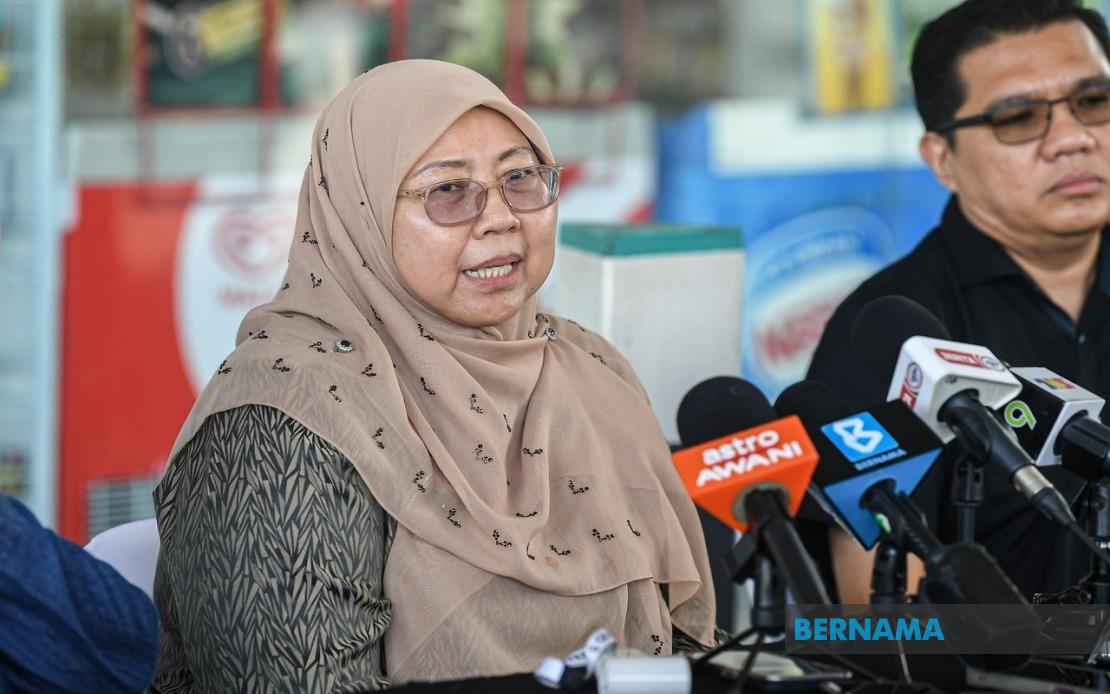
Pakatan Harapan's campaign machinery in the Johor state election is pressing forward despite a series of minor incidents that the coalition attributes to sabotage, party officials stated during a press conference in Johor Bahru on Tuesday. PKR secretary-general Datuk Fuziah Salleh acknowledged that the ruling coalition's candidates have faced challenges including the removal and vandalism of campaign posters, as well as the burning of party flags across contested constituencies. Yet she maintained that these disruptions have failed to derail PH's overall campaign message or dampen the energy among its grassroots volunteers and party machinery.
The incidents, described as isolated rather than systematic, point to the intensity of competition as Johor voters prepare to cast ballots on July 11. Early voting is scheduled for July 7, with a total of 172 candidates contesting across the state. While such acts of alleged sabotage are not uncommon during heated election campaigns in Malaysia, Fuziah's public acknowledgement and apparent dismissal of their significance suggests the coalition is keen to project confidence and maintain morale among its supporters. The framing of these incidents as peripheral rather than consequential reflects a broader strategy to keep the narrative centred on PH's policy agenda and voter engagement efforts.
Fuziah, who doubles as Deputy Minister of Domestic Trade and Cost of Living, spoke to reporters whilst overseeing a review of the Budi MADANI Diesel subsidy assistance mechanism at a petrol station in the state capital. This dual focus—campaign messaging intertwined with policy announcements—underscores how Malaysian political parties often leverage routine government functions to maintain visibility during election periods. The Budi MADANI subsidy scheme itself carries political weight in Johor, where energy costs and living expenses remain central concerns for voters, particularly in rural and semi-urban constituencies where PH has been strengthening its base.
According to Fuziah, PH's campaign intensity in Johor is accelerating rather than slowing, with party candidates maintaining gruelling schedules that begin before dawn and extend until midnight. Each candidate is reportedly participating in up to ten campaign activities daily, covering ground-level interactions that range from community gatherings to one-on-one voter conversations. This level of grassroots saturation reflects a recognition that state elections, particularly in economically significant states like Johor, demand sustained organisational effort. The strategic value of Johor to PH cannot be overstated, given the state's population size, industrial base, and symbolic importance as the traditional political stronghold of the Johor royal family and historically dominant Umno.
Voter feedback has reportedly been encouraging for the coalition, especially among younger demographics and first-time voters whose participation could prove decisive. Fuziah indicated that sentiment toward PH candidates has been markedly positive, suggesting that grassroots momentum is building despite headline-grabbing incidents of alleged sabotage. This generational shift in political preference, if sustained, could reshape Johor's electoral mathematics. The state's youth population has grown increasingly responsive to PH's messaging on economic opportunity, governance accountability, and social policy, factors that surveys and street-level conversations consistently identify as influencing younger voters' choices.
A notable clarification emerged during the press conference regarding candidate manifestos announced ahead of the official party platform. Fuziah drew a distinction between localised pledges made by individual candidates for their specific constituencies and the comprehensive state-level manifesto that PH intends to announce. Some PH candidates for the Skudai and Perlis state seats had previously unveiled what appeared to be campaign platforms addressing local grievances such as waste collection problems. Fuziah carefully recharacterised these announcements as candidate commitments rather than official party policy, a distinction that carries implications for how campaign promises are later evaluated and held accountable.
This semantic distinction reflects broader tensions within electoral politics regarding the binding nature of campaign pledges. When candidates present their own priorities separate from a unified party manifesto, accountability becomes fragmented and expectations management becomes more complex. Voters may reasonably expect that commitments made during campaigns become government priorities, yet parties often argue that localised pledges remain distinct from state-level policy frameworks. In the Malaysian context, where single-issue concerns frequently drive voting behaviour at the state level, this distinction can appear legalistic to voters concerned primarily with immediate local problems.
The official PH manifesto for Johor was scheduled to be announced the day following Fuziah's press conference, providing the coalition with an opportunity to articulate its comprehensive vision for state governance. Manifesto announcements in Malaysian state elections typically address areas where state governments exercise direct authority: land and local administration, state revenue management, education facilities, healthcare delivery, and infrastructure development. PH's manifesto would likely emphasise continuity with federal priorities whilst addressing distinct Johor-specific concerns, attempting to bridge the interests of urban, suburban, and rural constituencies that frequently have divergent development expectations.
The timing of campaign incidents, coming as they do in the final stretch before polling day, underscores the high stakes surrounding the Johor contest. The state election functions as a barometer for federal political sentiment, with results often interpreted as endorsements or rejections of the ruling government's performance. For PH, consolidating support in Johor is essential not merely for state representation but for maintaining credibility with federal voters ahead of potential national elections. Conversely, opposition forces seeking to recapture Johor recognise that success there would significantly weaken the ruling coalition's national position and open pathways to power in other states where voters respond to successful opposition narratives.
The alleged sabotage incidents, whether characterised as minor by Fuziah or not, reflect the competitive intensity that contemporary Malaysian politics encompasses. Whilst poster destruction and flag burning are relatively unsophisticated forms of campaign disruption, they carry symbolic weight and can affect volunteer morale and voter perceptions of a candidate's grassroots strength. The fact that Fuziah felt compelled to address these incidents publicly suggests they had gained sufficient visibility to warrant formal acknowledgement, even as the party sought to minimise their strategic significance. Managing narrative during elections requires balancing transparency with strategic messaging, a balance that all political parties in Malaysia must carefully navigate.
Looking ahead to polling day on July 11, the Johor state election will test whether PH's apparent momentum and positive voter feedback translate into legislative gains. The coalition enters the contest as the Federal ruling coalition, a status that carries both advantages in terms of resource allocation and disadvantages regarding public sentiment toward incumbents. Johor voters will weigh PH's governance record against opposition alternatives, with considerations ranging from economic management and job creation to social services delivery and local governance responsiveness. The outcome will reverberate across Malaysian politics, influencing calculations regarding federal elections and the strategic positioning of opposition coalitions that remain fragmented and searching for unified alternatives to PH rule.

