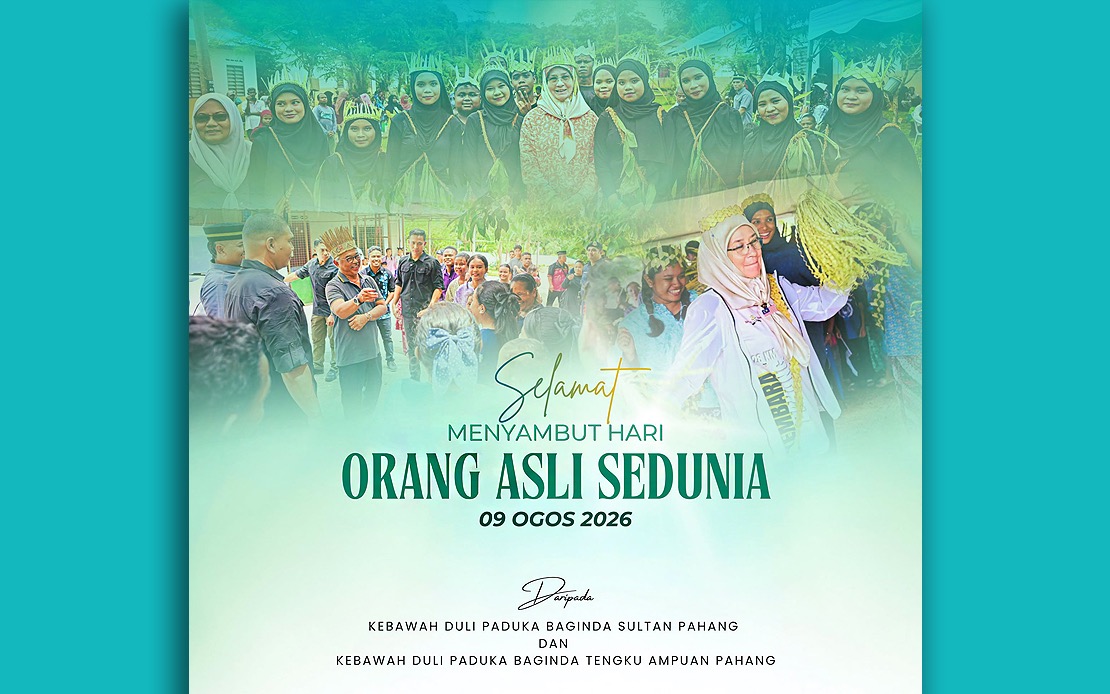
The Sultan of Pahang, Al-Sultan Abdullah Ri'ayatuddin Al-Mustafa Billah Shah, and Tengku Ampuan Pahang Tunku Azizah Aminah Maimunah Iskandariah have publicly recognized the Orang Asli community's profound influence on Pahang's cultural landscape, underscoring how indigenous traditions and customs form an integral layer of the state's broader identity.
Their acknowledgement, communicated through an official statement on the Kesultanan Pahang's Facebook page, goes beyond ceremonial recognition to outline tangible aspirations for improving conditions among indigenous populations. The royal couple specifically highlighted gaps in opportunity that have historically constrained development within these communities, positioning their statement as part of broader national conversations about equitable progress across Malaysia's diverse populations.
Education emerged as a primary focus in the royal message, with both leaders emphasizing the need for expanded schooling initiatives tailored to Orang Asli contexts. This commitment reflects growing awareness among policymakers that mainstream educational frameworks often fail to accommodate the unique geographical, linguistic, and cultural circumstances of indigenous learners scattered across Pahang's interior regions. Enhanced learning infrastructure could help bridge long-standing educational disparities that have limited economic mobility within these communities.
Beyond schooling, the Sultan and Tengku Ampuan identified economic development as essential to improving living standards. This perspective acknowledges that sustainable advancement requires more than welfare provision; it demands genuine opportunities for income generation through skills training, employment pathways, and potential business development support. For Pahang's Orang Asli populations, whose economies have historically relied on traditional forest-based livelihoods increasingly constrained by land pressures and environmental regulations, contemporary economic diversification presents both opportunity and risk.
Human capital development was similarly emphasized as critical infrastructure for long-term progress. The royal statement implicitly recognizes that capacity-building investments—from healthcare literacy to digital skills—represent preconditions for communities to access and benefit from broader economic opportunities. This framing suggests awareness that development cannot be imposed externally but must build upon existing community strengths and aspirations.
Particularly significant was the royal couple's insistence that progress in these areas must occur without compromising indigenous identity, customs, and heritage. This balancing act—advancing material conditions while protecting cultural distinctiveness—reflects an emerging consensus among Malaysian leadership that development need not entail cultural assimilation. For Pahang's Orang Asli groups, whose languages, knowledge systems, and traditional practices face continuous pressure from dominant regional influences, this affirmation carries symbolic weight beyond the immediate policy realm.
The timing of this statement, released in recognition of the 2026 International Day of the World's Indigenous Peoples, connects Pahang's indigenous communities to global conversations about indigenous rights and recognition. Malaysia, like many regional nations, remains a signatory to international frameworks acknowledging indigenous peoples' rights to self-determination, cultural preservation, and equitable development. The royal endorsement signals alignment with these international standards while locating them within the specific Pahang context.
For Malaysian observers, this statement from Pahang's leadership carries broader implications. As the country navigates questions about inclusive development and social cohesion, royal support for indigenous advancement helps establish expectations that state-level governments should actively champion marginalized communities' interests. The commitment to preserving heritage alongside pursuing development suggests a model that rejects false choices between tradition and progress—a framework increasingly relevant across Southeast Asia as indigenous communities navigate modernization pressures.
The reference to unity, respect, and cooperation across the state indicates that the royal couple frames indigenous advancement not as a separate agenda but as integral to collective Pahang prosperity. This positioning could help build broader political consensus for policies benefiting Orang Asli populations, framing such investments as strengthening the entire state rather than redistributing resources toward particular groups.
Implementation, however, remains uncertain. Royal pronouncements establish political direction and moral authority but depend on government agencies translating goodwill into budgets, programs, and institutional change. Sustained monitoring will be necessary to assess whether this statement catalyzes concrete action in education funding, economic development initiatives, and cultural preservation efforts, or remains primarily symbolic.
For Pahang's Orang Asli communities themselves, the statement provides a mandate for advocacy. Having secured royal recognition of their contributions and needs, community leaders now possess enhanced standing to engage government agencies on resource allocation and program design. Whether this translates to meaningful improvements in schools, economic opportunities, and healthcare access will ultimately determine whether the royal couple's words catalyze transformative change or remain aspirational rhetoric.

