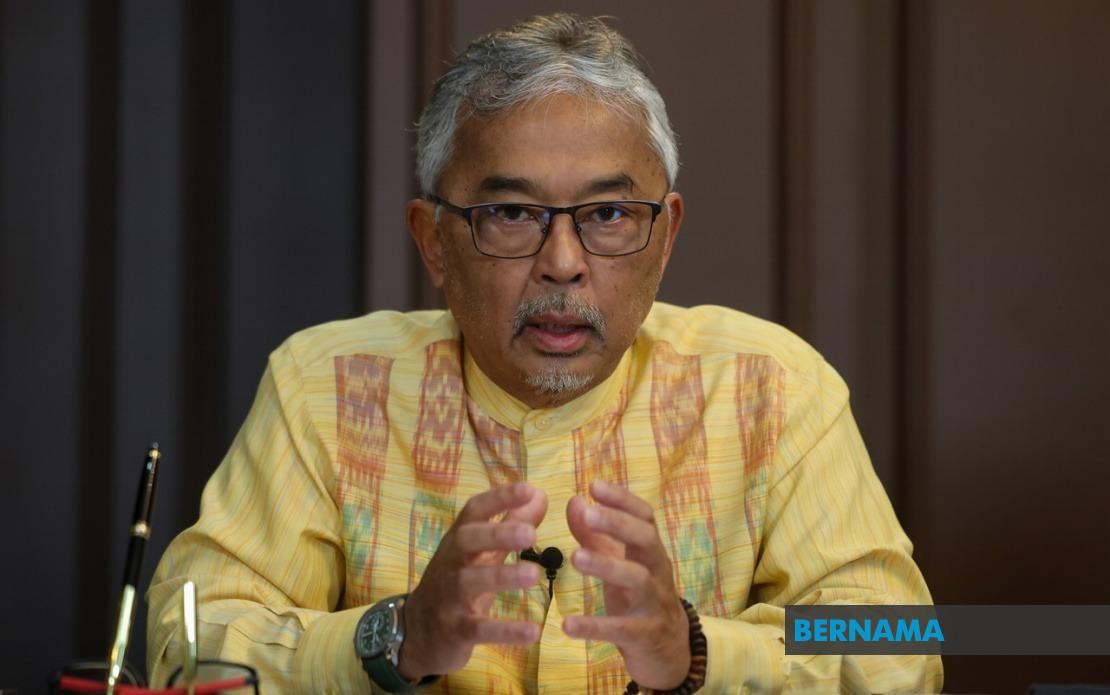
Sultan Al-Sultan Abdullah Ri'ayatuddin Al-Mustafa Billah Shah has issued a directive requiring all local authorities throughout Pahang to systematically examine mature and aging trees, particularly those positioned in ways that could endanger the public. The royal order represents a swift response to mounting concerns about tree-related accidents that have claimed lives and caused injuries across the state, signalling heightened emphasis on preventive safety measures rather than reactive responses to disasters.
The scope of the inspection programme encompasses a broad range of locations where public exposure is highest. Local authorities have been instructed to prioritise assessments in residential neighbourhoods, along major roadsides and thoroughfares, and within publicly frequented spaces such as parks and commercial areas. This comprehensive approach recognises that hazardous vegetation can exist in multiple settings and that systematic identification requires attention to diverse environments where residents and visitors spend considerable time.
During his address on the matter, the Sultan stressed the necessity of conducting these inspections with regularity and thoroughness rather than as one-off exercises. The emphasis on ongoing monitoring reflects understanding that tree conditions deteriorate progressively, and environmental factors such as weather patterns and soil stability can change circumstances over time. Regular assessment protocols would allow local authorities to track developments and respond to emerging risks before they materialise into dangerous situations.
Critically, the royal instruction does not simply mandate identification of problematic trees but demands immediate corrective action once assessments identify potential hazards. Authorities have been directed to move swiftly from the inspection phase into implementation of solutions, whether through trimming, reinforcement, or removal. This operational requirement addresses a frequent gap in public safety frameworks where problems are identified but remediation is delayed due to budget constraints, administrative procedures, or competing priorities.
The timing of this directive follows a pattern of tree-related incidents that have captured public attention and raised awareness about vulnerability to falling branches and uprooted trees. These accidents, some fatal, have underscored how infrastructure and natural elements interact in ways that authorities can actively manage. The Sultan's order reflects royal concern that preventable deaths and injuries continue to occur when systematic oversight could identify risks in advance.
For Malaysian and Southeast Asian contexts more broadly, this initiative addresses challenges common to tropical and subtropical regions where dense vegetation, high rainfall, and occasional severe weather create ongoing management requirements. Many local authorities in the region struggle with resource constraints and capacity limitations that hinder comprehensive tree maintenance programmes. Pahang's directive therefore sets an expectation that even amid fiscal pressures, basic safety assessments must be prioritised.
The directive also implicitly acknowledges that local authorities, as frontline service providers, hold primary responsibility for public safety in their jurisdictions. Rather than centralising oversight or creating additional bureaucratic layers, the Sultan's order empowers existing municipal structures to fulfil expanded obligations. This approach can be more efficient than establishing new institutions, though it places considerable responsibility on authorities that may lack adequate funding or technical expertise for thorough arboricultural assessment.
From a practical standpoint, implementing this order will require local authorities to either develop internal capacity for tree assessment or engage external specialists in arboriculture and forestry. Training personnel to identify signs of disease, structural weakness, and compromised root systems represents a significant undertaking, particularly in smaller municipalities. Collaboration with forestry departments and private sector expertise may be necessary to execute the mandate effectively.
The Sultan's emphasis on early intervention before incidents occur reflects a harm-prevention philosophy increasingly important in governance. Rather than accepting tree-related accidents as inevitable occurrences, the order treats them as preventable through systematic management. This shift in approach acknowledges that public safety responsibilities extend to environmental factors and that authorities should proactively manage natural risks to their communities.
Implementation timelines remain unspecified in the royal directive, though the language suggests urgency given safety implications. Local authorities will need to establish prioritisation frameworks to address the most dangerous situations first while developing comprehensive assessments across their areas. Pahang's local councils and town boards must now balance immediate high-risk interventions against building sustainable long-term inspection and maintenance systems.
The broader significance of this initiative extends beyond tree management to reflect evolving expectations that state leadership will address public safety concerns through direct intervention and clear directives to service delivery organisations. In Malaysian governance contexts, such royal directives carry considerable weight and typically trigger rapid institutional responses from relevant authorities. This order therefore should catalyse action across Pahang's municipal structure.
Looking forward, the effectiveness of this initiative will be measured through incident reduction and public perception of safety in public spaces. Success requires sustained commitment beyond initial compliance, as tree conditions remain dynamic and require ongoing attention. The directive establishes an important framework, but translating it into operational reality across diverse local authorities with varying resources represents the actual challenge ahead.

