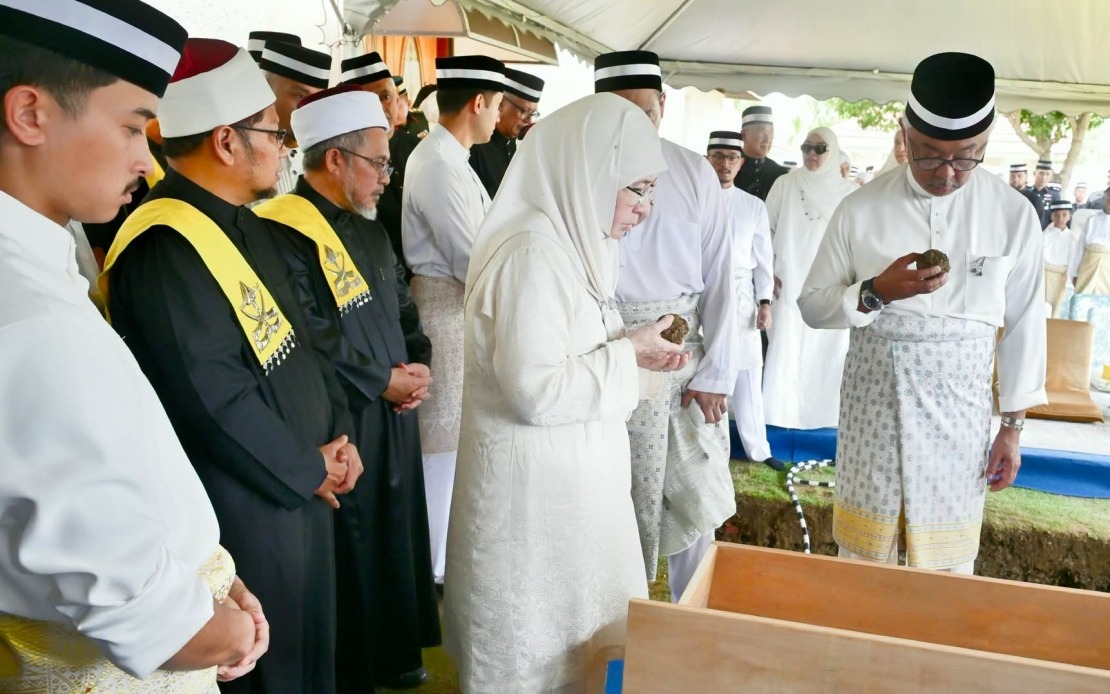
The Sultan of Pahang, Al-Sultan Abdullah Ri'ayatuddin Al-Mustafa Billah Shah, has directed the Pahang royal family to observe a formal three-day mourning period following the passing of his elder sister, Tengku Puteri Seri Kemala Tengku Datuk Seri Aishah Almarhum Sultan Ahmad Shah. The mourning observance commenced on Wednesday and will extend through Saturday, marking a period of reflection and prayer for the royal household and the people of Pahang.
According to an official statement released by the Comptroller of the Royal Household of the Sultan of Pahang, Maj Gen Datuk Mohamed Zahari Yahya, the three-day period carries specific ceremonial protocols for members of the royal family. During this time, all family members are expected to wear white, a traditional colour of respect and remembrance in Malay-Muslim culture. Additionally, male members of the household are required to follow specific dress codes as part of the formal mourning observance.
Tengku Puteri Seri Kemala passed away at a hospital in Kuala Lumpur at 9:15 pm on Wednesday evening. Following Islamic and royal customs, she was laid to rest at the Royal Mausoleum in Pekan the following afternoon. The swift arrangements reflect the established protocols observed by the Pahang royal household in matters of state funeral rites, ensuring a dignified farewell in keeping with both royal tradition and religious obligations.
The Sultan's decision to formally declare a mourning period underscores the significance of the late Tengku Puteri within the royal family structure. As the elder sister of the reigning monarch, she held considerable standing within the Pahang household and represented an important link to the previous generation of the sultanate. Her loss represents what the royal household characterised as a considerable bereavement for the institution, particularly affecting the Sultan and his consort, Tengku Ampuan of Pahang Tunku Azizah Aminah Maimunah Iskandariah.
The royal proclamation extends beyond the immediate family, reaching out to the broader Pahang community. Citizens of the state have been formally invited to participate in the collective grieving process by reciting Al-Fatihah, the opening chapter of the Quran, and offering prayers for the repose of Tengku Puteri's soul. This inclusive approach to mourning reflects the interconnected relationship between the sultanate and its subjects, where significant developments within the royal household become shared experiences for the entire state.
The mourning period carries deeper cultural and spiritual significance for Muslim-majority Pahang. The request for prayers reflects Islamic teaching on intercession for the deceased, with the royal household seeking blessings for Tengku Puteri's forgiveness and ultimate placement in paradise. Such spiritual observances form an integral part of how the Pahang community processes loss while reinforcing shared religious and cultural values.
For Malaysian readers, royal mourning periods serve as important markers in the national calendar and provide opportunities for public reflection on succession, institutional continuity, and the enduring role of the monarchy in Malaysian society. The Pahang sultanate, one of Malaysia's most historically significant royal institutions, maintains these traditional observances as expressions of both grief and stability during transitions within the royal household.
The three-day timeframe for the formal mourning period follows established Islamic and Malaysian royal protocols, which typically recognise the immediate shock and prayer period following a death. While the formal mourning concludes by Saturday, the emotional and spiritual observance within the royal household and among devoted subjects may extend considerably beyond this official period.
This development highlights the continued vitality of royal institutions in contemporary Malaysia and their role in maintaining cultural and spiritual traditions. Despite modernisation and social change, Malaysian sultanates continue to observe time-honoured customs surrounding death and remembrance, demonstrating the persistence of traditional values within modern governance structures. The public participation encouraged by the royal household indicates that such observances retain meaningful resonance across Malaysian society, bridging the gap between institutional formality and genuine communal feeling.

