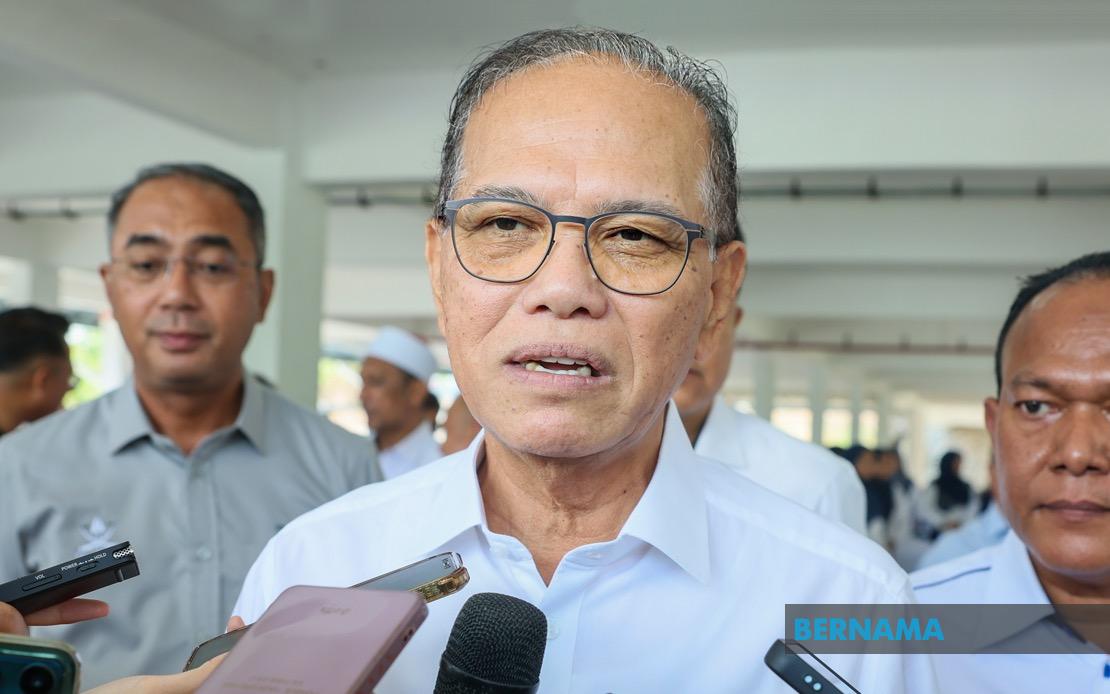
Pahang Menteri Besar Datuk Seri Wan Rosdy Wan Ismail has launched a fresh appeal to Orang Asli youths in the state, encouraging them to seize opportunities in technical and vocational training as a stepping stone toward sustainable careers and improved livelihoods. Speaking at a convocation ceremony in Kuantan, the state leader highlighted the pressing need to tackle educational underperformance within Malaysia's indigenous communities, particularly the escalating problem of students abandoning their studies before completion.
The intervention comes against a backdrop of significant demographic challenges. Pahang hosts approximately 90,000 Orang Asli, representing a substantial proportion of the nation's indigenous population spread across the peninsula. Yet despite their numbers, the community continues to face systemic barriers to educational progression, with dropout rates remaining stubbornly high compared to national averages. Wan Rosdy's remarks underscore growing recognition among state leadership that existing pathways to education and employment have failed adequately to serve this marginalised segment of society.
The Menteri Besar's statement represents a strategic pivot toward vocational qualifications rather than solely traditional academic credentials. In Malaysia's evolving economy, where skills shortages persist across manufacturing, construction, hospitality, and emerging sectors, technical qualifications have gained significant value in labour markets. TVET programmes offer accelerated routes to employment that bypass lengthy university trajectories, a consideration particularly relevant for communities facing financial constraints and limited family support networks for extended education.
During the YP Advanced Skills Malaysian Skills Certificate and Diploma Convocation Ceremony, held at the Sultan Haji Ahmad Shah Silver Jubilee Hall, Wan Rosdy specifically praised the institution's track record in producing graduates equipped with both technical competency and strong work ethics. A cohort of 388 graduates from diverse vocational programmes completed their training through the institution, marking another intake of skilled workers entering the labour market. The convocation provided a tangible demonstration of how alternative education models can function effectively within Malaysia's broader skills development ecosystem.
Wan Rosdy expressed particular optimism that Orang Asli graduates would return to their villages as catalysts for cultural change regarding educational aspirations. This aspect carries significant weight within indigenous communities where parental attitudes, peer influence, and visible success examples substantially shape younger generations' willingness to pursue further learning. The presence of local role models who have successfully completed vocational training can fundamentally alter community perceptions about what educational trajectories are available and worthwhile.
The Menteri Besar articulated a clear message that skills-based qualifications no longer constitute a secondary option for those unable to access university education. Rather, he positioned them as legitimate and increasingly preferred pathways offering multiple economic trajectories. Vocational graduates, he noted, enjoy flexibility unavailable to many degree-holders—the capacity to establish entrepreneurial ventures, secure stable employment with advancement potential, or combine both through continuous professional development. This multiplicity of opportunity represents a compelling narrative for young people evaluating their educational choices.
Wan Rosdy's call reflects broader national conversations about human capital development and economic inclusivity. Malaysia's aspiration toward becoming a high-income nation depends partly upon tapping human potential across all demographic segments, including historically underserved communities. The Orang Asli population, despite occupying less than one percent of Malaysia's total demographics, represents unutilised talent and latent economic capacity. Educational interventions targeting this group yield individual benefits while contributing incrementally to national productivity and competitiveness.
The emphasis on continuous upward progression also featured prominently in the Menteri Besar's message. He encouraged graduates not to regard vocational certificates and diplomas as terminal qualifications but rather as foundations upon which further learning could be built. This scaffolded approach recognises that individuals may benefit from entering workforce environments after technical training, then pursuing advanced credentials through part-time or distance modalities. Such flexibility proves particularly valuable for individuals navigating economic necessity alongside educational advancement.
YP Advanced Skills' role in this ecosystem deserves particular attention. As a provider of quality technical instruction, the institution demonstrates that excellence in vocational education remains achievable within Malaysia when proper institutional frameworks, pedagogical approaches, and industry partnerships align effectively. The consistent production of employment-ready graduates suggests a functioning pipeline between skills training and labour market integration—a connection that frequently breaks down in less well-resourced educational environments serving marginalised communities.
For Pahang specifically, Wan Rosdy's advocacy signals state-level commitment to inclusive economic development. States in Malaysia increasingly compete for foreign investment and domestic business expansion based partly upon workforce availability and skills availability. By fostering TVET participation among Orang Asli youth, the state simultaneously addresses social equity imperatives while building labour supply across sectors where shortages chronically persist. This alignment of social and economic objectives creates stronger political and economic rationale for sustained intervention.
The dropout phenomenon afflicting Orang Asli communities reflects compounding factors including geographic isolation, language barriers, cultural discontinuities between school environments and community contexts, and economic pressures necessitating child labour. TVET programmes, particularly those with culturally sensitive curriculum adaptation and flexible scheduling, may address some of these obstacles more effectively than conventional schooling. Shorter programme duration and direct labour market relevance potentially reduce dropout propensity compared to academic pathways perceived as abstract or inaccessible.
Looking ahead, the sustainability of initiatives encouraging Orang Asli participation in vocational education depends upon coordinated action across multiple agencies. Beyond promotional messaging from political leaders, meaningful change requires enhanced access to programme locations, targeted financial support removing affordability barriers, industry partnerships guaranteeing employment prospects, and ongoing mentorship systems supporting graduate transitions. The Menteri Besar's public endorsement establishes political permission and visibility for such comprehensive interventions.

