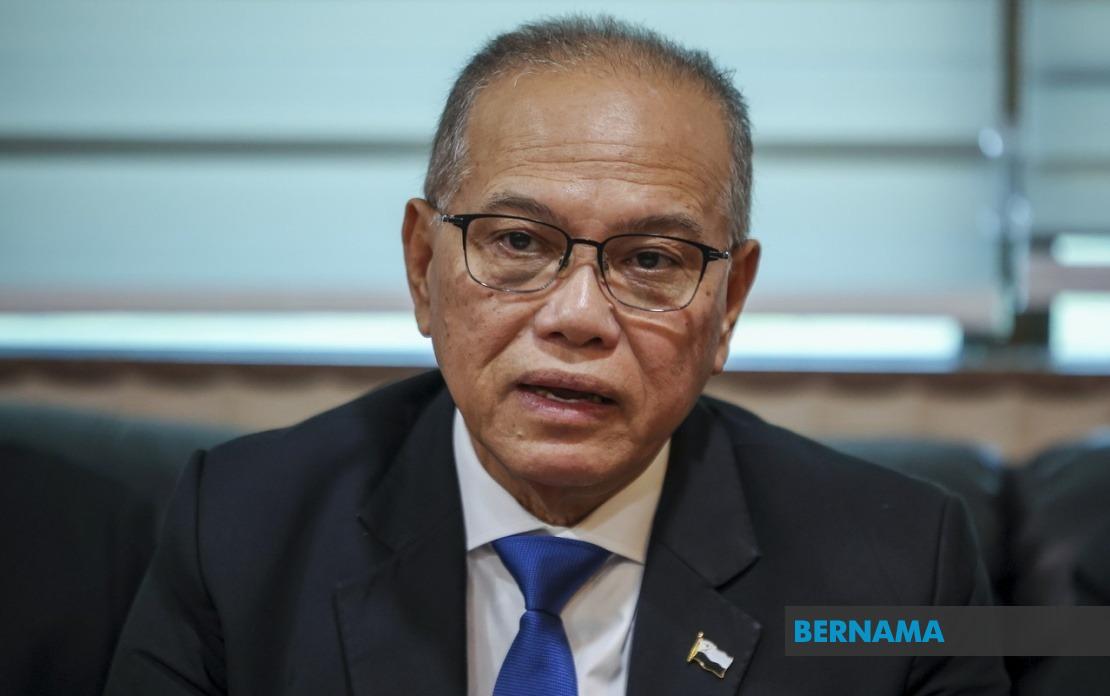
Pahang's fiscal performance through August demonstrates the state government's ability to maintain steady revenue streams amid a competitive economic landscape. Menteri Besar Datuk Seri Wan Rosdy Wan Ismail announced at the state assembly sitting that the RM921.72 million collected by August 26 positions the state favourably toward achieving its full-year revenue objectives. This represents significant progress with roughly five months remaining in the fiscal year, suggesting the state remains on course to surpass expectations if current collection rates persist.
The 72 per cent achievement rate against the RM1.279 billion annual target reflects not merely numerical success but indicates underlying economic vitality within Pahang. Revenue collection serves as a bellwether for state economic health, as consistent collection suggests functional tax systems, business activity, and investment inflows. For Malaysian readers tracking regional economic performance, Pahang's trajectory matters because the state remains strategically important to the broader Malaysian economy, hosting significant manufacturing, agriculture, and tourism sectors that generate provincial income.
Wan Rosdy's statement underscores the administration's confidence in maintaining financial stability, a critical attribute for state governments seeking to fund development initiatives and service delivery. The strong financial position enables the state to absorb economic shocks while continuing infrastructure investment and social programmes. This is particularly relevant for Pahang, which historically relies on resource-based industries and increasingly seeks economic diversification through manufacturing and services sectors.
Beyond revenue collection, Pahang's gross domestic product growth trajectory demonstrates broader economic momentum. The state's GDP expansion from RM68.8 billion in 2024 to RM71 billion in 2025 reflects an approximately 3.2 per cent year-on-year increase, positioning Pahang among Malaysia's stronger-performing states. This growth outpaces inflation and suggests real economic expansion rather than nominal increases, indicating productive capacity gains and improved competitive positioning.
Investment commitments paint an equally encouraging picture of future economic potential. The RM11.47 billion in committed investments as of August 2026 represents significant capital inflows pledging future economic activity and job creation. More substantially, realised investments reaching RM1.044 billion demonstrate that pledges are converting to actual capital deployment. This distinction matters because committed versus realised investments reveal implementation capacity and investor confidence in the state's operating environment.
The Makmur Pahang Initiative represents the state government's strategic approach to translating economic growth into citizen welfare improvements. The RM173.93 million allocation across 2024 to 2026 reveals a commitment to direct benefit distribution, with year-on-year increases indicating expanding scope. The dramatic rise from RM50.54 million in 2025 to RM84.59 million in 2026 signals accelerating direct spending as financial capacity improves, suggesting the administration prioritises translating macro growth into household-level prosperity.
For Malaysian readers, Pahang's performance carries implications beyond state borders. As a major contributor to national GDP and a key investment destination, the state's success influences regional competitiveness and investment decisions across Southeast Asia. Strong Pahang performance attracts capital seeking stable, growing markets, potentially strengthening Malaysia's position in regional economic competition against Thailand, Vietnam, and Indonesia.
The planned allocation increases for the initiative in the upcoming budget announcement suggest the administration intends sustaining this spending trajectory. This forward commitment indicates confidence in revenue sustainability and reflects political priority toward direct citizen benefits. Such spending patterns typically strengthen electoral constituencies and improve development outcomes in health, education, and infrastructure.
Revenue collection challenges, however, warrant scrutiny. The gap between RM921.72 million collected and the RM1.279 billion target suggests collection remains incomplete despite eight months of the fiscal year elapsed. If the remaining four months must generate approximately RM357 million to meet targets, the state requires sustained collection momentum. Economic disruptions, sectoral contractions, or business activity declines could jeopardise full-year achievement.
The state government's emphasis on strong financial positioning reflects broader Malaysian governance priorities emphasizing fiscal responsibility and transparent financial management. Transparent revenue reporting, as demonstrated by Wan Rosdy's assembly disclosure, builds investor and citizen confidence in state financial credibility. This transparency matters particularly for Pahang, which competes with other states for investment and talent attraction.
Looking forward, the state's trajectory depends on sustaining economic growth, maintaining investment inflows, and protecting revenue collection systems. Global economic uncertainties, commodity price volatility affecting resource-based revenues, and potential manufacturing sector slowdowns pose risks to the projected achievement. Conversely, successful implementation of economic diversification initiatives and infrastructure investments could accelerate growth beyond current projections.
Pahang's financial performance thus represents a microcosm of Malaysia's broader development challenges and opportunities. The state demonstrates that consistent fiscal management, economic diversification, and direct citizen benefit programmes can coexist productively. Whether the state sustains this momentum through 2026 and beyond will determine whether Pahang cements itself as a regional economic growth leader or faces headwinds common to commodity-dependent economies navigating transition toward higher-value-added activities.

