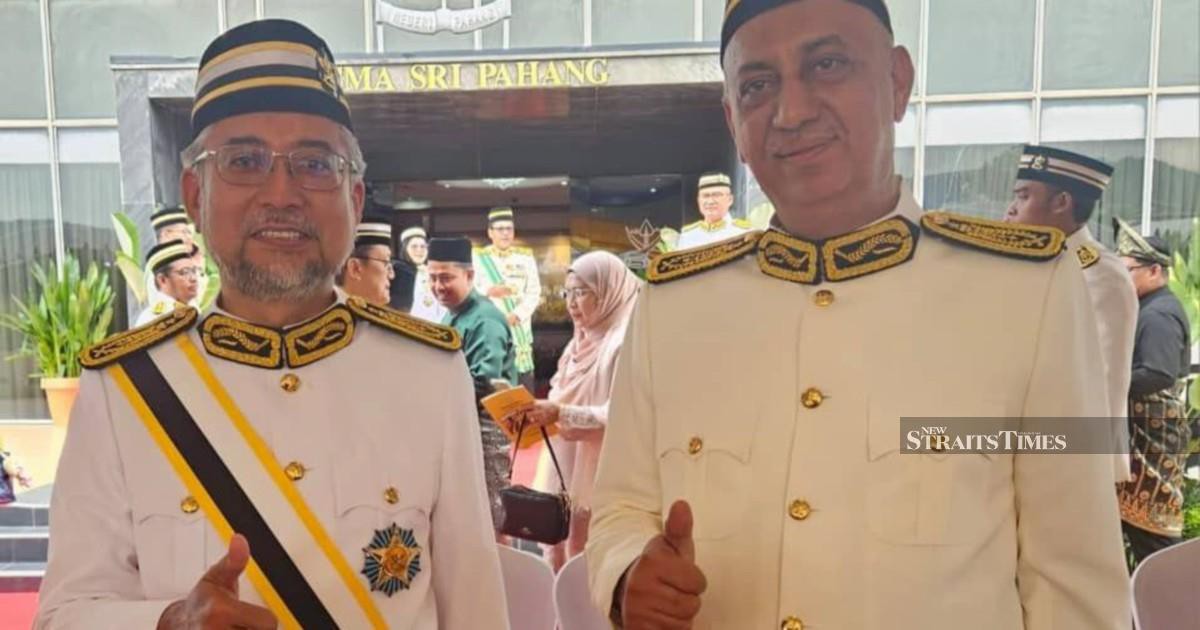
In a show of political solidarity, two assemblymen from Bersatu's Pahang wing have publicly committed to backing Menteri Besar Datuk Seri Wan Rosdy Wan Ismail through his tenure and into the 16th state election, marking a significant display of party cohesion at a critical juncture for the state administration.
The pledge comes as Pahang navigates an increasingly complex political landscape, where maintaining internal unity has become paramount for governing coalitions. The two representatives, both holding seats in the state assembly, have thrown their weight behind Wan Rosdy's leadership, reinforcing the notion that Bersatu's leadership hierarchy retains sufficient backing to sustain administrative momentum in the eastern state.
Wan Rosdy's administration has faced intermittent challenges since taking office, typical of any state government operating within Malaysia's fluid coalition politics. The public endorsement from these assemblymen serves multiple purposes: it provides reassurance to stakeholders regarding governmental stability, demonstrates that party discipline remains intact, and signals to the electorate that Bersatu commands sufficient legislative support to govern effectively until the next state election cycle.
Pahang has historically occupied an important position within Bersatu's broader political structure, given the party's significant presence in the state assembly. The party's state leadership therefore carries disproportionate weight in discussions about Bersatu's electoral viability and organisational strength across the country. When assemblymen publicly reaffirm support for party leadership at state level, it generates ripple effects that influence perceptions of party stability nationally.
The timing of such declarations often reflects internal party dynamics and attempts to counter alternative narratives regarding leadership challenges or factional tensions. In Malaysia's hyperactive political environment, where speculation about defections and internal realignments occurs constantly, explicit loyalty statements from elected representatives serve as corrective markers that demonstrate continuity and commitment to established hierarchies.
Wan Rosdy's position as Menteri Besar depends fundamentally upon maintaining majority support in the state assembly. Any erosion of backing from party members could potentially undermine the administration's operational capacity and create vulnerability to opposition manoeuvres or poaching attempts by rival coalitions. Public declarations of support therefore provide tactical value by forestalling such scenarios and reinforcing the credibility of the administration's legislative majority.
Looking toward the 16th state election, Bersatu must consolidate its organisational base and electoral machinery to compete effectively against formidable opposition parties and coalition rivals. Wan Rosdy's administration represents the party's current electoral brand in Pahang, and its performance record will significantly influence voter sentiment in subsequent campaigns. The backing of assemblymen adds momentum to the Menteri Besar's positioning as a capable custodian of the state's interests.
Pahang's political dynamics hold particular significance for understanding broader peninsular Malaysian politics. The state's economy, dependent substantially on resource extraction and commodity production, requires stable governance to attract investment and maintain developmental momentum. Demonstrating that the ruling administration commands solid legislative support creates the confidence investors and businesses require to commit capital and resources to projects within the state.
Bersatu's coalition positioning nationally remains complex, as the party balances competing demands from partner organisations, internal factions, and electoral considerations. Maintaining control of Pahang provides crucial symbolic value and material resources that enhance the party's bargaining power within federal coalition negotiations. The solidarity expressed by these assemblymen therefore carries significance beyond Pahang's borders.
For Malaysian readers, particularly those in Pahang, such political declarations underscore the importance of assembly-level politics in shaping governance outcomes and policy implementation. While national headlines often focus on federal developments, state legislatures exercise profound influence over healthcare, education, economic development, and other matters affecting daily life. The stability of state administrations thus merits genuine consideration from voters assessing their long-term interests.
The 16th state election remains several years away, yet political positioning for that contest has already commenced. These pledges of support function as early campaign markers, establishing narratives about Bersatu's competence, unity, and fitness to govern. Opposition parties will scrutinise such declarations, seeking evidence of weakness or staged gestures that mask deeper fractures. The credibility of these endorsements will likely face ongoing testing as Pahang's administration navigates policy challenges and electoral pressures.

