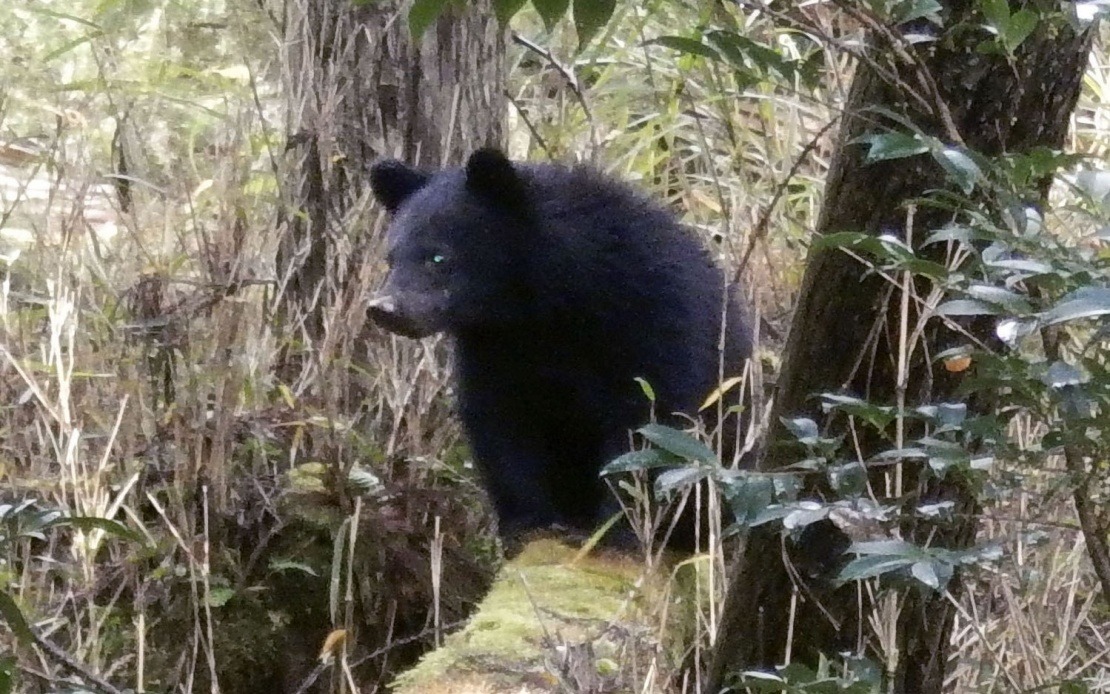
Japan's municipalities are grappling with an unexpected crisis stemming from public backlash over wildlife management. A Ministry of Internal Affairs and Communications survey released this month reveals that more than 40 per cent of local governments receiving complaints about bear encounters have been subjected to abusive remarks and exhaustingly long telephone calls. The finding underscores how Japan's escalating wildlife conflict is spilling over into the administrative realm, creating workplace stress and operational disruption for frontline staff tasked with managing a genuine public safety emergency.
The ministry selected 40 prefectural and municipal authorities to participate in the year-long survey, which began last July. Among these, 17 governments reported that handling bear-related grievances had significantly disrupted their regular operations. The scope of the problem extends beyond mere inconvenience—many authorities have appealed directly to the national government to establish formal response guidelines, indicating that local capacity to manage both wildlife and public sentiment has been stretched to breaking point.
The nature of complaints reveals a deeply polarised public opinion on bear management. Among the 17 municipalities reporting operational disruption, ten fielded complaints requiring extensive engagement, including telephone calls lasting more than an hour. Five authorities reported being flooded with digital complaints via websites and email. These interactions often took aggressive tones, with callers making demands such as "Don't you ever kill bears!" In one particularly telling case, a local government official received repeated calls with the demand, "Put the governor on the phone," suggesting frustration with perceived governmental inaction or mismanagement.
The conflicting nature of public sentiment complicates municipal decision-making. When one local government released a captured bear, it faced another wave of equally intense criticism in the form of comments asking, "Why didn't you kill it?" This polarity reflects a fundamental disagreement within Japanese society about how to balance wildlife protection with human safety. For municipal workers operating in the midst of this controversy, the absence of clear national guidance leaves them vulnerable to criticism regardless of which management approach they pursue.
One particularly troubling incident highlighted in the survey demonstrates how bear-related disputes can escalate into personal harassment. A local government employee responsible for bear-related issues was targeted by a wildlife protection advocate who photographed the employee without permission and subsequently posted the images online. This behaviour crosses from complaint into surveillance and potential harassment, creating a hostile work environment for individuals simply performing their assigned duties.
The underlying crisis driving these complaints is Japan's unprecedented surge in bear encounters. Government data shows the nation recorded more than 50,000 bear encounters in the year through March, representing a record high and doubling the number from the previous year. This dramatic increase reflects broader environmental pressures, including habitat loss, changing food availability, and shifting bear populations that increasingly venture into populated areas seeking sustenance. The sheer frequency of encounters has made bear management a constant news cycle, amplifying public anxiety and, consequently, public complaint.
The timing of this survey is particularly significant for Southeast Asian observers. While Japan is geographically distant from Malaysia and the region, its experience managing wildlife conflicts in densely populated areas offers cautionary lessons. As Southeast Asian nations balance development with biodiversity conservation, similar tensions between animal protection advocates and communities affected by wildlife incursions could emerge. Japan's case demonstrates that without clear public communication frameworks and national guidelines, local government staff become lightning rods for public frustration.
A ministry official acknowledged the human cost of the current situation, stating that "measures are needed to reduce the burden on frontline staff." This recognition represents a potential turning point, suggesting the national government may finally intervene to shield municipal workers from harassment while establishing clearer protocols for bear management decisions. The comment also implies that previous approaches have left local authorities without adequate support or guidance.
The survey results expose a systemic gap in Japan's governance structure. While wildlife management decisions fall to municipalities, the public accountability for those decisions often extends to individual workers who lack the authority to change policy or access to resources to address underlying ecological problems. This mismatch between responsibility and authority creates a particularly vulnerable position for local government employees. The documented case of an employee being photographed and posted online illustrates how this vulnerability can manifest as genuine personal risk.
Moving forward, Japan faces the challenge of developing bear management responses that are both scientifically sound and publicly defensible. The ministry's acknowledgment of the need for guidelines suggests that standardised protocols may be introduced to depersonalise management decisions and reduce targeting of individual officials. Such guidelines could specify when lethal and non-lethal management approaches are appropriate, with clear public communication about the reasoning behind each decision.
For Malaysian readers following Japanese policy developments, this situation offers insights into how wildlife conflicts can strain administrative systems. As Southeast Asia experiences its own wildlife-human conflicts—from elephant-crop raids in Thailand to monkey incursions in urban areas—the Japanese experience suggests that technical solutions to wildlife management must be paired with robust public communication and staff protection measures. Without these complementary systems, even well-intentioned conservation policies can backfire by creating workplace hostility.
The bear complaint crisis also reflects broader tensions in Japan's relationship with nature. As urbanisation has intensified, public attitudes toward wildlife have become increasingly idealistic and disconnected from the practical realities faced by communities experiencing direct wildlife conflict. This gap between urban sentiment and rural experience mirrors dynamics seen across the developed world, where environmental ideals often clash with ground-level management realities.
Ultimately, Japan's municipal governments are experiencing a crisis of expectation management. The public has clear views about how bears should be treated, but the government has failed to provide frameworks explaining the constraints and trade-offs involved in wildlife management. The survey's findings suggest that the next phase of Japan's bear management policy should focus as much on communicating with and protecting government workers as on managing bear populations themselves.

