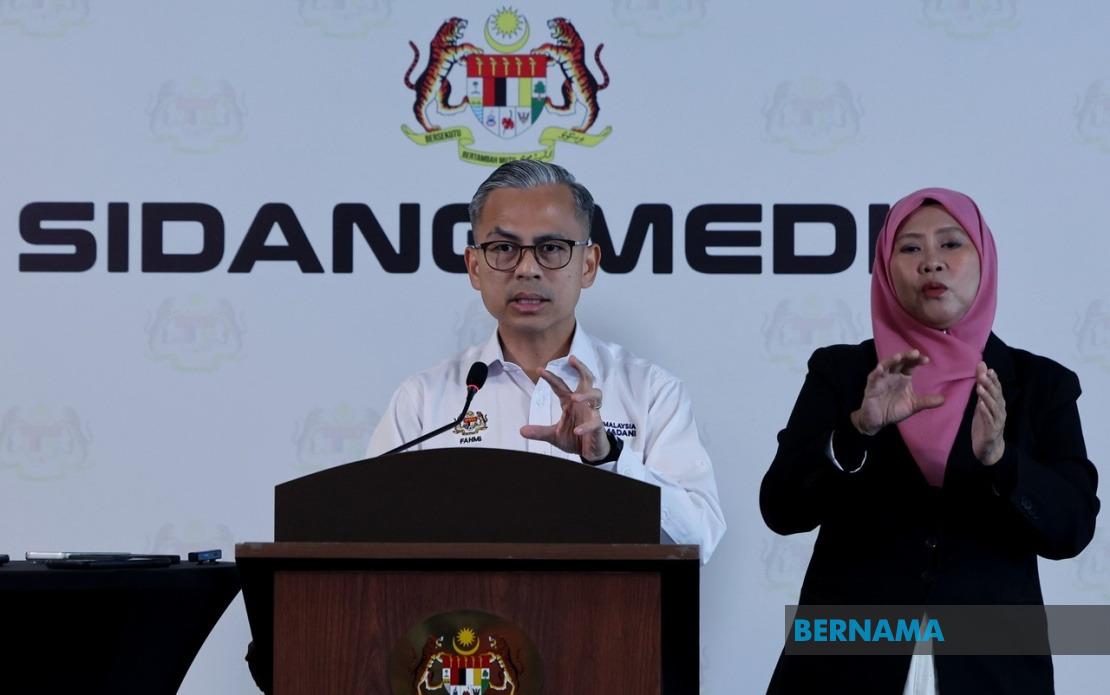
A significant parliamentary engagement is shaping up around the contentious Tabung Haji Royal Commission of Inquiry report, with Communications Minister Datuk Seri Fahmi Fadzil confirming that between 35 and 40 Members of Parliament have already registered their interest in contributing to the special Dewan Rakyat debate. The high level of parliamentary appetite for the discussion underscores the intense public and political scrutiny surrounding the government's handling of the Islamic pilgrimage fund's affairs, particularly regarding the management decisions that contributed to its financial deterioration.
The special parliamentary sitting has been formally scheduled for August 11, with arrangements already approved by Dewan Rakyat Speaker Tan Sri Johari Abdul to permit continuous proceedings without interruptions. Prime Minister Datuk Seri Anwar Ibrahim previously indicated that the debate would commence at 10 am and extend into the afternoon, providing adequate time for thorough parliamentary examination of the commission's findings. This format reflects the seriousness with which Parliament intends to address what has emerged as a matter of significant concern for Malaysian Muslims and the broader public.
Citizens will have the opportunity to monitor the proceedings in real time through official broadcasting channels that carry Dewan Rakyat proceedings, ensuring transparency and public access to what promises to be an important national conversation. This commitment to public visibility demonstrates the government's recognition that the Tabung Haji matter extends beyond parliamentary chambers into the consciousness of millions of Malaysians who contribute to or depend upon the fund.
The Royal Commission of Inquiry, which examined Tabung Haji's management and operational practices spanning 2014 to 2020, presented its findings through a report made publicly available on the Department of Islamic Development Malaysia's official portal on July 29. This investigation period encompasses several years of decision-making that the commission determined had led to substantial erosion of the fund's asset base, warranting urgent attention and corrective measures.
The commission's investigation revealed a complex picture of institutional challenges at Tabung Haji. Beyond merely documenting poor investment outcomes, the inquiry uncovered evidence pointing to irregular financial transactions and deliberate concealment of critical information. These findings go beyond matters of investment judgment or market timing; they suggest potential governance failures that may have involved deliberate obfuscation of facts from stakeholders and oversight bodies.
Among the report's principal recommendations is the implementation of a forensic audit examining the decision-making processes that culminated in severely problematic investments. This forensic examination would represent a more granular and forensic approach than standard financial audits, focusing specifically on identifying where and how decisions were made, who was involved, and what information guided those choices. Such an audit could illuminate whether institutional failures were merely the result of poor judgement or reflected more systemic governance deficiencies.
The investment failures identified during the 2014 to 2020 period triggered widespread concern among Tabung Haji contributors, many of whom viewed their participation as a religious obligation and financial security mechanism for the Hajj pilgrimage. When large-scale asset depreciation occurred during this period, it raised questions not only about investment acumen but about whether proper fiduciary responsibilities had been fulfilled toward contributors who had entrusted their savings to the fund.
For Malaysian Muslim investors and potential Hajj pilgrims, the RCI report carries significant implications. Restoring confidence in Tabung Haji's institutional integrity and financial management practices has become essential to preserving what many consider a cornerstone of Islamic financial participation in Malaysia. The upcoming parliamentary debate will likely examine not only what went wrong but what structural and supervisory changes must be implemented to prevent recurrence.
The level of parliamentary interest in attending and contributing to the debate—with more than one-third of the legislature expressing readiness to participate—suggests this will not be a perfunctory or formalized proceeding. Legislators from various political backgrounds and constituencies appear motivated to engage substantively with the commission's findings, reflecting constituent concerns across the country about the fund's governance and future direction.
The MADANI government's decision to facilitate a special sitting with extended hours and continuous proceedings demonstrates its commitment to according the matter appropriate parliamentary weight. This approach contrasts with perfunctory treatment and signals recognition that parliamentary institutions must respond meaningfully when major governance concerns emerge affecting millions of citizens.
As the parliamentary debate approaches, stakeholder attention will focus on whether the proceedings translate public and political concern into concrete policy outcomes. Beyond parliamentary rhetoric, the critical question is whether recommendations from the RCI—particularly regarding forensic audits and governance reforms—will be implemented with the urgency and thoroughness they appear to warrant. For a fund that holds sacred significance in Islamic practice while serving practical financial functions, restoring institutional credibility has become a matter touching both religious principles and fiscal responsibility.

