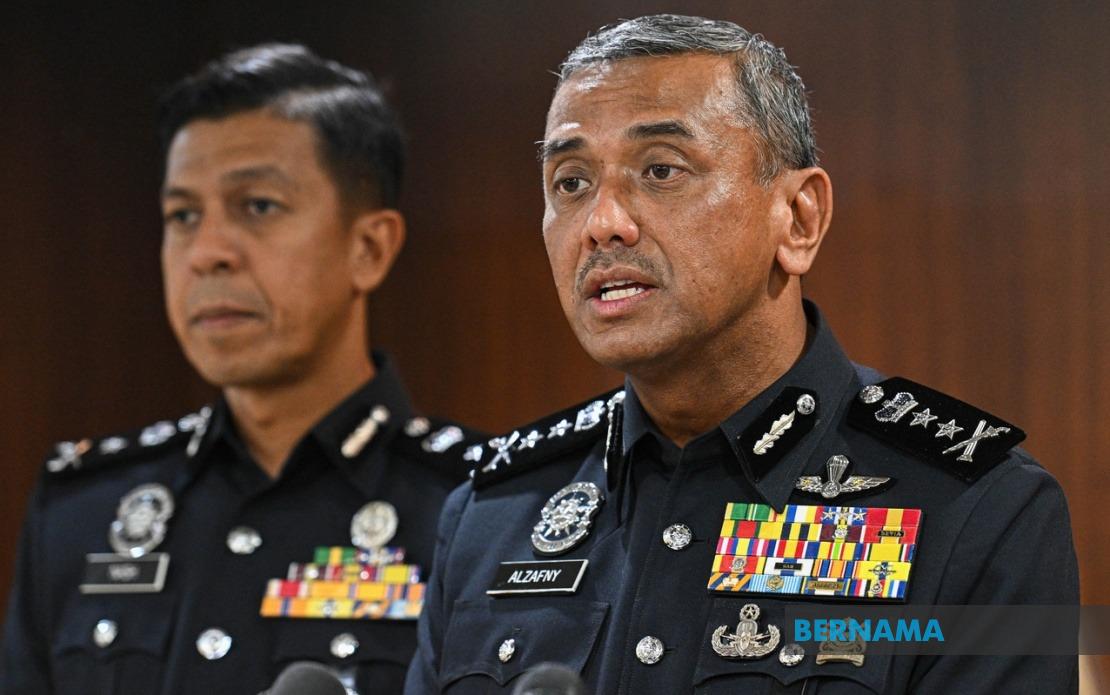
The Negeri Sembilan state election will witness unprecedented participation from security personnel, with over 22,000 members of the Royal Malaysia Police and Malaysian Armed Forces set to exercise their voting rights during an early poll scheduled for July 28. The figure encompasses 5,455 PDRM officers and staff alongside 16,884 ATM personnel and their spouses who have been granted early voting privileges, according to Negeri Sembilan police chief Datuk Alzafny Ahmad. This substantial turnout reflects the administrative coordination required to ensure security forces can fulfil their electoral duties while maintaining operational capacity across the state.
The deployment strategy underscores the scale of the 16th Negeri Sembilan state election logistics. A dedicated contingent of 1,796 officers and personnel will be stationed across all designated zones specifically to facilitate the early voting process on July 28. This figure represents a carefully calibrated commitment designed to manage the voting procedures without compromising the state's regular policing operations. The staggered deployment approach demonstrates how electoral management intersects with public security demands, a critical consideration in any major democratic exercise in Malaysia.
Beyond early voting day, security forces will maintain a substantial presence throughout the entire electoral calendar. Datuk Alzafny outlined that 2,393 personnel will be assigned to nomination day operations this coming Saturday, ensuring the candidate registration process unfolds smoothly. During the campaign period, an estimated 1,685 officers will maintain continuous oversight, while a further 4,788 personnel will be mobilised on the actual polling day on August 1. This graduated deployment structure reflects the different operational demands at each phase of the electoral cycle, from initial nominations through to the final count.
Amidst these logistical preparations, security authorities have issued explicit directives to all political contestants regarding acceptable conduct throughout the campaign period. Datuk Alzafny reminded candidates and their supporters that maintaining discipline and avoiding provocation remains essential for ensuring the electoral process proceeds peacefully and harmoniously. The reminder carries particular significance given the competitive nature of state elections, where local constituencies often witness intense campaigning and passionate supporter engagement.
The police have specifically flagged concerns about unauthorised public processions, the dissemination of false information, and inflammatory rhetoric that could compromise social cohesion. Candidates are being urged to exercise restraint in their campaign strategies and to refrain from statements that could be construed as slanderous or designed to incite division along communal lines. These guidelines represent established electoral norms in Malaysia, where the intersection between political competition and social harmony requires careful management, particularly in multiethnic constituencies.
A particularly sensitive area receiving heightened police attention concerns statements touching upon religion, race, and the Royal Institution—the so-called 3R framework. Datuk Alzafny emphasised that prohibition of contentious rhetoric extends across all platforms, from traditional political speeches and printed campaign materials to media statements and social media content. This comprehensive approach recognises how modern electoral campaigns span both physical and digital spaces, with inflammatory content capable of viral spread and rapid community impact. Candidates and their teams are being held to uniform standards regardless of the medium through which they communicate.
The police chief's warnings also extended to post-election conduct, urging all stakeholders to accept the official results with maturity and dignity once announced by the Election Commission. Should candidates or supporters harbour objections to the outcome, established legal channels remain available for addressing concerns through proper democratic mechanisms. Datuk Alzafny stressed that any grievances must be pursued through legitimate procedures rather than through actions that could jeopardise public security or undermine national peace and order. This emphasis reflects Malaysia's commitment to rules-based electoral processes and the peaceful transfer of authority.
The Negeri Sembilan election represents a significant democratic exercise for the state, with the EC having established clear timelines for the entire process. Nomination day on Saturday marks the official commencement of the formal election period, followed by the early voting opportunity for eligible security personnel on July 28. The general election then proceeds on August 1, when ordinary voters across all constituencies will determine the state's next government. This compressed electoral calendar necessitates meticulous coordination between multiple agencies to ensure all procedures conform to established standards.
For Malaysian observers and political analysts, the Negeri Sembilan election assumes broader relevance as a potential bellwether for state-level sentiment and voting patterns. The state's political dynamics have shifted considerably in recent election cycles, and this 16th state election will provide valuable insights into evolving voter preferences and the relative strength of competing coalitions. The substantial security presence and comprehensive conduct guidelines reflect authorities' commitment to ensuring the democratic process commands public confidence and operates according to established legal and constitutional frameworks.

