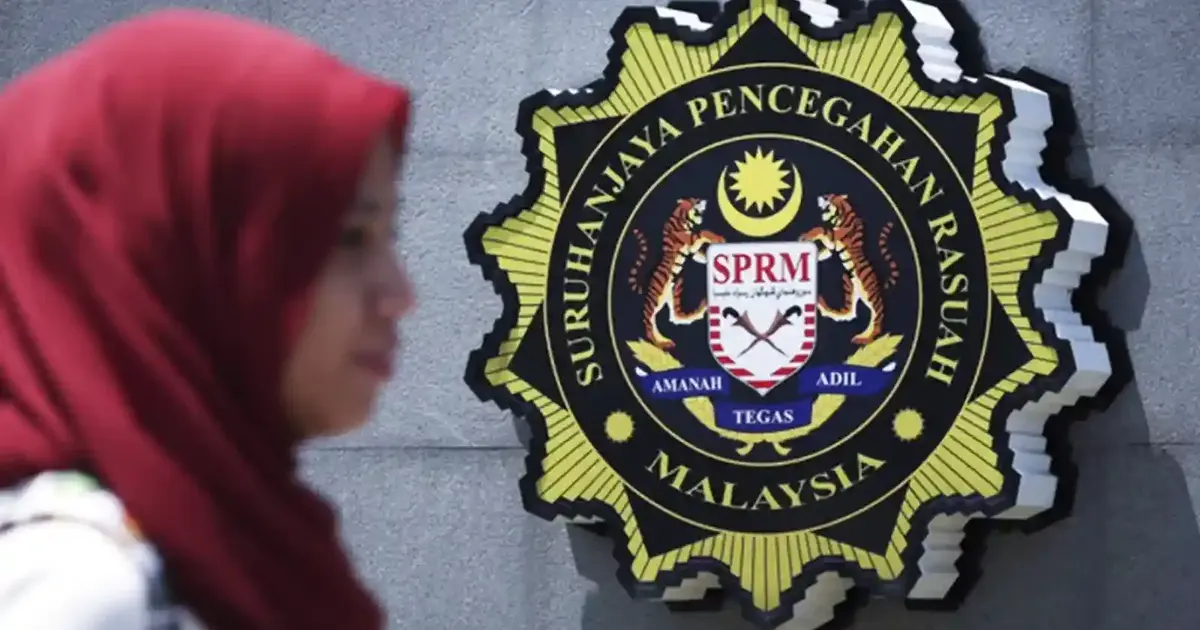
The Malaysian Anti-Corruption Commission has signalled an aggressive enforcement push against what appears to be widespread fraud targeting Perkeso, with officials indicating that charges will be brought against more than 100 suspects across the country. This massive operation represents one of the most significant crackdowns on social security fraud in recent years, reflecting both the scale of the alleged misconduct and the government's determination to protect public funds that are meant to support vulnerable workers.
According to MACC statements, 29 suspects have already been formally charged in various states as the investigation enters its prosecution phase. These individuals are alleged to have submitted false or fraudulent claims to Perkeso, the Employees Provident Fund's social security counterpart, which manages disability and accident insurance schemes for Malaysian workers. The deliberate submission of fabricated documentation or misleading information to obtain benefits represents a serious breach of public trust and diverts resources intended for genuinely eligible beneficiaries.
The investigation appears to have uncovered a systematic pattern of abuse rather than isolated cases of fraud. The involvement of over 100 suspects across multiple jurisdictions suggests that organised schemes may be at play, possibly involving networks of individuals coordinating false claims or corrupt officials within Perkeso's administrative apparatus. Such coordinated fraud typically proves more damaging to public institutions than opportunistic individual misconduct, as it can undermine the integrity of benefit distribution systems and erode public confidence in social protection schemes.
For Malaysian workers and employers alike, the implications are substantial. Perkeso operates as a crucial safety net protecting workers against workplace injuries, disabilities, and occupational diseases. When fraudsters exploit these systems, legitimate claimants may face increased scrutiny, lengthier processing times, and additional documentation requirements. The cost of combating fraud is ultimately borne by the system's participants through contributions and reduced service efficiency, making this crackdown not merely a matter of criminal justice but of preserving the viability of social protection mechanisms.
The timing of this enforcement action reflects a broader regional trend across Southeast Asia of heightened anti-corruption vigilance. Countries throughout the region have intensified scrutiny of government agencies handling significant public funds, recognising that social security and welfare programmes represent particularly attractive targets for fraudsters due to their large disbursements and the vulnerability of many applicants who may lack capacity to monitor their own claims thoroughly. Malaysia's action demonstrates alignment with international standards on financial integrity and public fund management.
The MACC's multi-state approach indicates that investigators have employed sophisticated data analysis and cross-agency coordination to identify patterns that single-state authorities might have missed. Such techniques, increasingly common in anti-fraud operations globally, involve examining anomalies in claim patterns, cross-referencing with employment records, and scrutinising digital submissions for inconsistencies. This methodological sophistication suggests the commission has invested significant resources in building capacity for complex financial crime investigation.
Employers throughout Malaysia should note that the crackdown extends implications for workplace compliance. Many schemes targeting Perkeso involve collusion with employers or their representatives who may fabricate injury claims or submit false documentation. Legitimate companies operating transparently have nothing to fear from such investigations, but those cutting corners in administrative practice should review their procedures immediately. The reputational and legal consequences of being associated with fraudulent claims can be severe for business operations across multiple sectors.
The distinction between genuine claims and fraudulent ones will become increasingly important as the prosecution phase accelerates. MACC will need to demonstrate clear evidence of intentional deception rather than administrative error or misunderstanding. This high evidentiary standard ensures that the legal system remains fair while simultaneously protecting the legitimacy of enforcement actions, a balance that is particularly important in white-collar crime prosecution where the line between negligence and intentional fraud can sometimes appear ambiguous.
Looking ahead, the completion of investigations on the remaining suspects—those among the 100-plus figure not yet formally charged—will likely extend over coming months or even years, depending on case complexity and court calendars. The pattern of charges to date will provide valuable intelligence for Perkeso management regarding vulnerabilities in their claim verification procedures and internal controls. Institutional reforms arising from this investigation could strengthen the agency's resilience against future fraud attempts and protect the interests of Malaysia's workers who depend on these schemes for genuine financial protection during times of hardship.
The broader message from this enforcement action is clear: public institutions entrusted with managing social protection funds will pursue those who abuse these systems with vigour and determination. For the honest majority of Malaysians contributing to and benefiting from Perkeso, this crackdown represents a necessary correction that preserves the long-term sustainability and public trust essential to effective social security systems.

