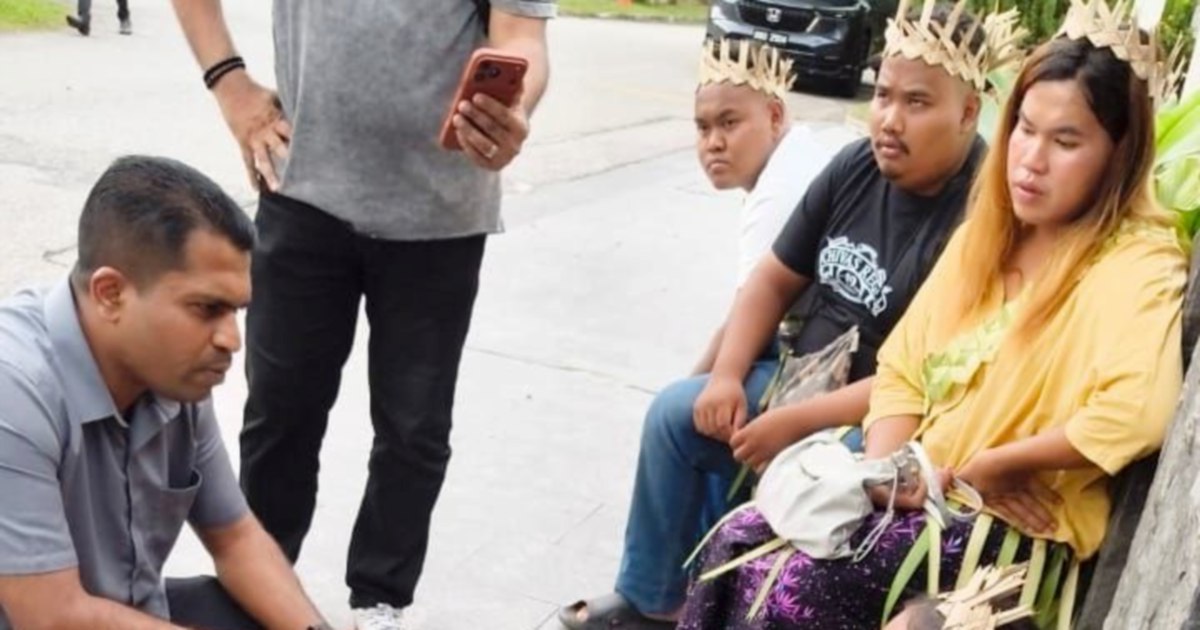
Indigenous residents of Kampung Sungai Cot in Maran, Pahang, completed a grueling two-day journey to Prime Minister Datuk Seri Anwar Ibrahim's residence in Bandar Sungai Long on Thursday, hoping to press the federal government for urgent action regarding the destruction of their ancestral lands and traditional homes. The journey itself became a statement—a visible display of desperation after years of what the community characterises as government inaction on one of Malaysia's persistent indigenous land rights controversies.
The Orang Asli delegation arrived at the Prime Minister's official residence carrying grievances that have simmered for an extended period. According to community accounts, their ancestral territory has faced encroachment and destruction, and despite repeated appeals through conventional channels, little progress has materialised. The decision to undertake such a demanding physical journey underscores the depth of frustration within Kampung Sungai Cot, where residents have exhausted patience with bureaucratic processes and feel compelled to escalate their appeal directly to the nation's chief executive.
Land disputes affecting Orang Asli communities across Malaysia remain one of the country's most intractable social issues. These conflicts typically arise from competing claims over territory that indigenous groups have inhabited for generations, often clashing with commercial development interests, state land classifications, or settler encroachment. Kampung Sungai Cot's situation exemplifies broader systemic challenges in how Malaysia recognises and protects indigenous land rights, despite constitutional and legal frameworks theoretically affording such protection.
The phrase "nothing has changed" that framed community expressions carries profound significance. It suggests not merely stagnation but a sense that despite political transitions and policy rhetoric, the fundamental vulnerabilities of Orang Asli communities persist. For residents who have petitioned authorities through established mechanisms, watched legal proceedings extend across years, and endured the physical and psychological toll of land insecurity, the absence of tangible improvement breeds cynicism about institutional responsiveness.
Orang Asli advocacy groups have long documented patterns where indigenous communities find themselves disadvantaged in land disputes. These patterns frequently reflect unequal access to legal resources, lower political leverage compared to corporate or state interests, and historical prejudices embedded within land administration systems. When communities feel forced to undertake extraordinary measures like long-distance marches to secure high-level attention, it signals that routine channels have failed them.
The timing of this action warrants consideration within Malaysia's broader political landscape. The Anwar Ibrahim administration has positioned itself as responsive to social grievances and committed to addressing historical injustices. However, from the Orang Asli perspective, such commitments remain abstract without concrete results in resolving specific disputes. This march represents a test of whether the current government's stated principles will translate into substantive action on indigenous land rights—an area where previous administrations faced similar criticism for unfulfilled promises.
For Southeast Asian observers, Malaysia's Orang Asli struggles mirror challenges faced by indigenous communities across the region. From the Philippines to Indonesia to Thailand, indigenous groups navigate similar tensions between state development agendas, commercial expansion, and territorial claims rooted in centuries of habitation. How Malaysia addresses Kampung Sungai Cot's demands carries implications beyond the single community, potentially influencing how regional governments approach indigenous land security more broadly.
The destruction of ancestral homes adds particular urgency to the Kampung Sungai Cot case. Beyond abstract property rights, such destruction represents the obliteration of cultural infrastructure—physical spaces where oral histories are preserved, where traditional practices are conducted, where community identity is anchored. Rebuilding homes can occur; restoring the cultural significance embedded within them presents a far more complex challenge. This dimension often remains invisible in bureaucratic land disputes yet fundamentally shapes what indigenous communities experience as loss.
Responsibility for the alleged destruction remains contested. Determining whether state authorities, private entities, or informal encroachers bear primary responsibility requires investigation. However, from the community's vantage point, the distinction matters less than the government's apparent inability or unwillingness to prevent such destruction or hold responsible parties accountable. This accountability gap—whether real or perceived—drives indigenous communities toward extraordinary measures like Thursday's march.
The Orang Asli constitute approximately 180,000 individuals across Malaysia, distributed among numerous communities with distinct languages, customs, and territorial histories. Despite their indigenous status and constitutional recognition, many Orang Asli communities experience poverty rates, health outcomes, and educational access far below national averages. Land insecurity compounds these challenges, preventing communities from establishing stable economic bases and concentrating their energies on survival rather than development.
For Kampung Sungai Cot residents, this march represents more than a single plea. It embodies accumulated frustration from years of unresolved disputes, broken promises, and the daily reality of watching ancestral territories diminish. Whether the Prime Minister's office received the delegation, what commitments emerged, and whether those commitments transform into substantive action within months will determine whether this extraordinary effort accomplishes meaningful change or becomes another entry in a lengthy chronology of indigenous petitions that yielded insufficient results.
The federal government now faces pressure to demonstrate that indigenous land rights occupy genuine priority within its policy agenda. The specific circumstances of Kampung Sungai Cot—which lands require protection, what compensation or restoration might be appropriate, and how to prevent future destruction—require urgent investigation and resolution. Without tangible progress, communities like Kampung Sungai Cot will continue exhausting themselves through extraordinary measures, while the underlying systemic failures driving such desperation remain unaddressed.

