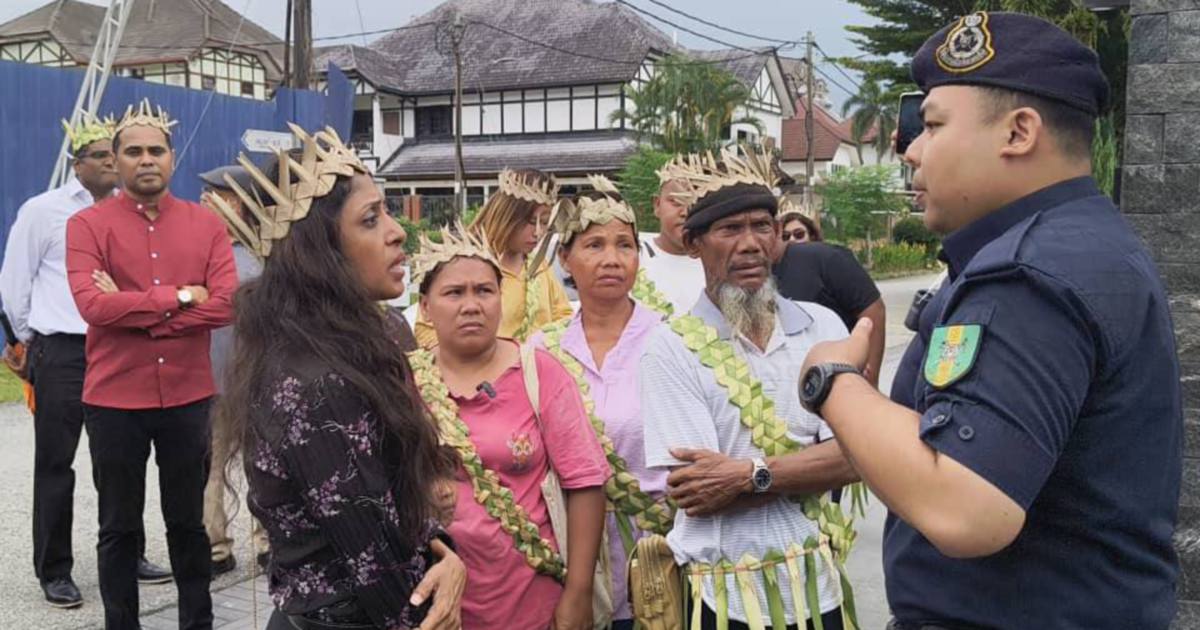
Residents of Kampung Sungai Cot experienced a significant shift in their outlook on resolving a protracted land dispute after receiving personal assurances from Prime Minister Datuk Seri Anwar Ibrahim. The direct commitment from Malaysia's top political leader marked a turning point for a community that has navigated bureaucratic complexities and administrative hurdles for years, struggling to secure formal recognition of their ancestral lands.
For Juliana Jazlin Ismail, a village representative, the Prime Minister's undertaking represented validation that their grievances had penetrated the upper echelons of government decision-making. The intervention pledge comes at a critical juncture for the Orang Asli population, who continue to face systemic challenges in land ownership, resource access, and socioeconomic development across Malaysia. The Kampung Sungai Cot situation exemplifies broader challenges affecting indigenous communities in peninsular Malaysia, where competing claims, historical documentation gaps, and modern development pressures have created complex legal quandaries.
Orang Asli communities have historically occupied territories long before modern state formation, yet many lack formal legal documentation supporting their claims. The Malaysian government has established various frameworks and committees to address indigenous land rights, but implementation gaps and bureaucratic delays have frustrated community expectations. For Kampung Sungai Cot residents, the accumulated frustration of unresolved disputes has created economic uncertainty and social instability, affecting everything from housing security to agricultural activities. The personal commitment from Anwar Ibrahim suggests a potential recalibration of priorities within the federal administration regarding indigenous affairs.
The timing of this assurance holds particular significance given broader conversations about Malaysia's commitment to protecting indigenous welfare and rights. Various parliamentary constituencies and state governments have grappled with balancing development imperatives against indigenous territorial claims. The Selangor region, where Kajang is located, has witnessed rapid urbanisation and industrialisation, often at the expense of smaller, traditional settlements. This pressure makes government acknowledgement of land disputes increasingly important, as inaction could result in further marginalisation of already vulnerable populations.
Anwar's personal intervention suggests recognition that established administrative channels may require supplemental high-level oversight to achieve resolution. The bureaucratic machinery handling indigenous affairs involves multiple agencies—including the Department of Orang Asli Development, state authorities, and land offices—creating potential coordination challenges. Prime ministerial engagement can potentially streamline decision-making processes and ensure resources are allocated appropriately. However, the effectiveness of such intervention ultimately depends on translating political commitment into concrete administrative action and legal outcomes.
The Orang Asli constitute approximately 180,000 people across Peninsular Malaysia, distributed among numerous communities with distinct languages, cultures, and territorial claims. Despite this substantial population, they remain among Malaysia's most economically disadvantaged groups, with lower educational attainment, higher poverty rates, and limited access to formal employment. Land security directly impacts livelihood opportunities, healthcare access, and intergenerational wealth preservation. A successful resolution of the Kampung Sungai Cot dispute could establish important precedents for addressing similar claims elsewhere.
Community members' expressions of relief reflect deeper hopes that sustained political pressure might finally unlock solutions to long-standing grievances. Indigenous advocacy organisations have consistently highlighted that land disputes represent fundamental justice issues, not merely administrative inconveniences. When communities cannot securely occupy ancestral territories, downstream effects cascade through education, health outcomes, and social stability. The Orang Asli already face significant structural disadvantages; unresolved land claims exacerbate these vulnerabilities rather than providing any countervailing advantage.
The Prime Minister's assurance requires careful monitoring to determine whether it translates into meaningful progress. Previous government commitments to indigenous welfare have occasionally remained unfulfilled or implemented insufficiently. Establishing timeline expectations, identifying responsible agencies, and creating accountability mechanisms would strengthen the likelihood of successful outcomes. The Kampung Sungai Cot community must remain engaged throughout implementation processes, ensuring their voices continue shaping resolutions that affect their futures directly.
Regional observers and international indigenous rights monitors have increasingly scrutinised Malaysia's approach to protecting native populations' territorial and cultural rights. ASEAN nations face similar pressures regarding indigenous welfare, making Malaysian outcomes potentially instructive across the region. If Anwar's government can demonstrate effective resolution of such disputes, it would signal serious commitment to remedying historical injustices and addressing contemporary indigenous challenges.
Moving forward, success metrics should include not merely administrative resolution but substantive improvements in community welfare and self-determination. The Orang Asli have survived centuries of marginalisation through resilience and cultural persistence; their contemporary struggles deserve recognition as rights issues rather than charity cases requiring benevolent intervention. Anwar Ibrahim's pledge offers opportunity for reframing the relationship between indigenous communities and state institutions from exploitative asymmetry toward genuine partnership and respect for territorial sovereignty.

