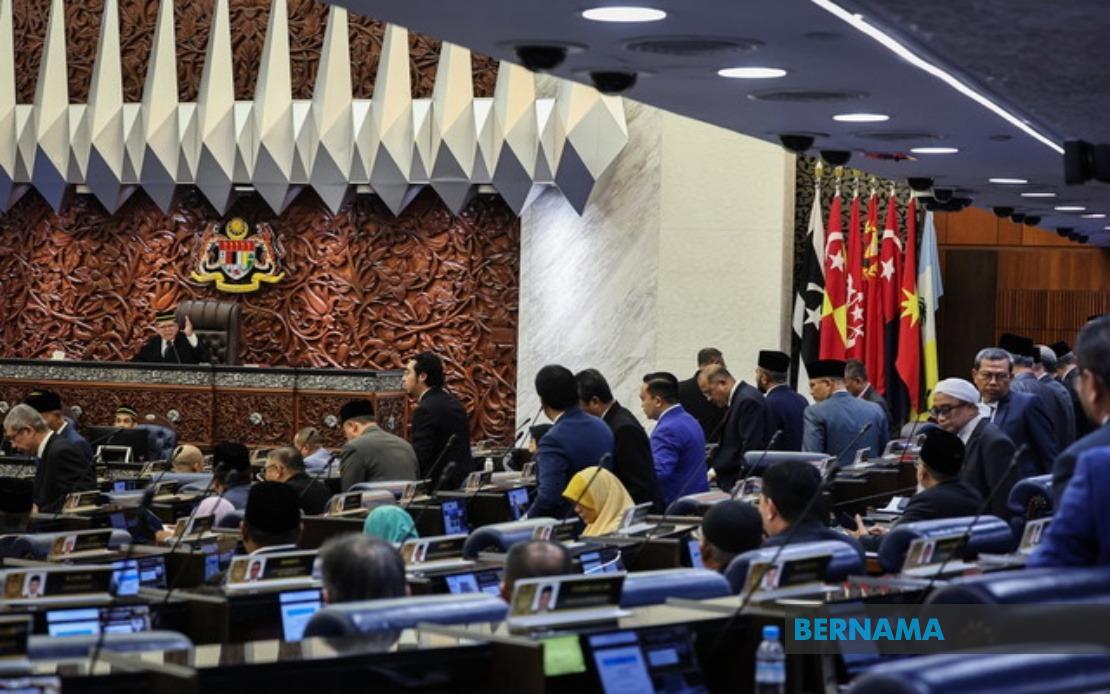
Opposition Members of Parliament staged a coordinated walkout from the Dewan Rakyat on August 11, refusing to participate in a scheduled ministerial briefing on the Royal Commission of Inquiry report examining Lembaga Tabung Haji's management and operations. The dramatic exit highlighted growing friction between the government coalition and opposition benches over parliamentary procedure and the appropriate circumstances for discussing sensitive public matters.
The dissent centred on the absence of Prime Minister Datuk Seri Anwar Ibrahim, who along with Deputy Prime Minister Datuk Seri Fadillah Yusof, was undergoing medical treatment. Opposition lawmakers, led by Perikatan Nasional chief whip Datuk Seri Takiyuddin Hassan, contended that proceeding without these senior figures diminished the importance of the briefing and rendered the occasion insufficiently authoritative for such a consequential discussion.
Dewan Rakyat Speaker Tan Sri Johari Abdul dismissed the opposition's objections and permitted the session to continue. In a pointed intervention that captured the underlying partisan tensions, Johari invoked public accountability, telling lawmakers that citizens were monitoring their conduct. His remarks suggested that absence itself could be interpreted as indifference to governance matters, effectively reframing the opposition's principled stand as potential negligence.
The Tabung Haji Royal Commission of Inquiry represents a significant accountability mechanism into one of Malaysia's most substantial Islamic financial institutions. Tabung Haji, which manages pilgrimage savings for Malaysian Muslims, has faced considerable scrutiny over recent years regarding its operational governance, investment decisions, and member protections. The RCI report's findings and recommendations carry implications for millions of contributors whose funds are held within the scheme, making the briefing a matter of genuine national importance.
Opposition resistance to proceeding without full ministerial presence reflects a legitimate parliamentary convention. In Westminster-influenced systems such as Malaysia's, major policy briefings typically require the presence of the responsible minister or, in matters of government-wide significance, senior leadership. The opposition's position that a Royal Commission report warrants discussion only when the nation's top officials can meaningfully engage is not an unreasonable institutional expectation, particularly given the breach of protocol occasioned by the PM and DPM's simultaneous unavailability.
Takiyuddin Hassan's proposal to postpone the sitting represented an effort at institutional compromise. Rather than outright obstruction, the opposition sought merely to delay proceedings until conditions permitted a fuller, more prestigious consideration of the RCI findings. This tactical approach suggests the opposition sought to register institutional objections without fundamentally preventing the briefing from occurring, though Johari's decision to proceed overrode such considerations.
Minister in the Prime Minister's Department (Religious Affairs) Dr Zulkifli Hasan ultimately delivered the briefing to the reduced parliamentary audience. The minister's participation preserved the government's capacity to present the RCI report and its implications, though the symbolic weight of the occasion was diminished by both the opposition departure and the absence of Anwar and Fadillah. For Malaysian observers and institutional commentators, the episode illustrated how parliamentary choreography and presence can carry substantial political meaning beyond mere procedural matters.
The walkout reflects broader patterns in contemporary Malaysian politics where opposition and government cohesion has frayed on various procedural questions. Recent parliamentary sessions have witnessed recurring disagreements over sitting schedules, ministerial accountability, and appropriate occasions for discussing sensitive governance matters. These micro-institutional conflicts, whilst sometimes appearing trivial in isolation, cumulatively reshape the tone and functionality of parliamentary debate.
For Tabung Haji contributors and the Malaysian public invested in institutional accountability, the parliamentary discord around the RCI briefing presented an uncomfortable spectacle. Rather than unified parliamentary engagement with findings about the pilgrimage scheme's governance, the nation witnessed partisan posturing that obscured substantive discussion. The religious and social dimensions of Tabung Haji's role in facilitating Muslim pilgrimage mean that its governance warrants cross-party consensus rather than factional division, yet the briefing session became another theatre for coalition-opposition friction.
The underlying medical circumstances that triggered the opposition's objections merit consideration. Both the PM and DPM requiring simultaneous treatment raises questions about governmental continuity planning and whether parliamentary business should adapt to accommodate unexpected leadership absences. Had the government postponed the briefing voluntarily, it might have strengthened public confidence in the RCI process by ensuring maximum parliamentary engagement and ministerial accessibility to questions arising from the report.
Moving forward, the episode underscores the necessity for cross-party agreements on how Parliament addresses major institutional inquiries. Tabung Haji's significance to Muslim Malaysians, combined with the gravity of RCI findings, suggests that such briefings might benefit from bipartisan protocols ensuring adequate notice, ministerial presence, and opposition engagement rather than adversarial standoffs. The parliamentary system functions most effectively when major governance matters transcend coalition rivalries, particularly when national institutions central to public welfare are under examination and reform.

