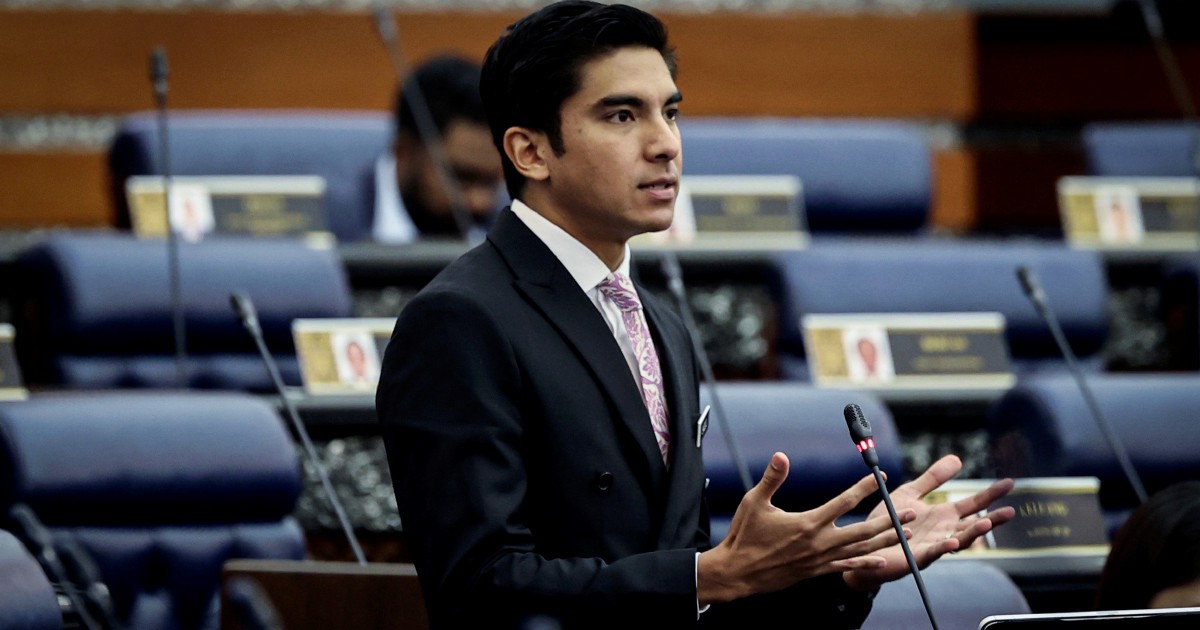
Syed Saddiq Syed Abdul Rahman, the Muda member for Muar, has delivered a pointed rebuke to opposition parties for their decision to absent themselves from the parliamentary discussion on the Tabung Haji Royal Commission of Inquiry findings. The politician argued that the boycott represented a fundamental breach of trust with the millions of Malaysians whose savings are held within the Islamic pilgrimage fund, suggesting the opposition's actions prioritised political positioning over substantive engagement with matters affecting ordinary depositors.
The Tabung Haji saga has long been a contentious issue in Malaysian politics, drawing attention to governance concerns within one of the nation's largest state-owned institutions. The fund, established to assist Muslim Malaysians in saving for the Hajj pilgrimage, has accumulated deposits from more than 10 million contributors over its decades of operation. When questions arise about the fund's management and financial practices, they directly impact a substantial segment of Malaysia's population—many of whom are from lower and middle-income backgrounds for whom the Tabung Haji account represents a significant personal investment.
The Royal Commission of Inquiry was tasked with investigating matters of serious concern regarding Tabung Haji's operations and financial decisions. The completion of the RCI report marked a critical juncture for parliamentary scrutiny and potential remedial action. Parliament's scheduled debate on the findings represented an opportunity for lawmakers across all political divides to examine the report's conclusions, interrogate recommendations, and signal to the public their commitment to protecting depositor interests. That opportunity was compromised when opposition benches chose not to participate.
Syed Saddiq's criticism carries particular weight given Muda's positioning as a reformist coalition partner without traditional entrenched interests in the old political establishment. From this vantage point, the opposition boycott appears not merely as tactical disagreement but as a failure of fundamental accountability. The Tabung Haji depositor base spans all demographic and geographic segments of Malaysian society—urban and rural, Peninsular and East Malaysian, younger savers and retirees. They have no direct stake in parliamentary power struggles; they simply expect their elected representatives to act in their financial interests.
Boycotts of parliamentary proceedings carry symbolic weight in democratic systems. While opposition parties certainly possess the right to withdraw participation as a protest tactic, exercising that right on debates affecting the livelihoods of millions requires particularly compelling justification. The opposition would need to demonstrate that staying away was preferable to participating, challenging problematic statements, and ensuring their constituents' perspectives were represented on the parliamentary record. The depositors affected by whatever conclusions the RCI report contains have no mechanism to hold boycotting MPs accountable; they can only watch as their representatives decline to speak on their behalf.
The Tabung Haji issue transcends ordinary partisan disagreement precisely because it concerns the accumulated savings and religious commitments of a vast cross-section of the population. Some depositors have contributed for decades, viewing the fund as a sacred trust and a financial safety net. Others have recently begun saving through the scheme. All of them depend on institutional governance that protects their interests and maintains public confidence in the fund's management. When parliamentary debates on institutional reports occur, the absence of opposition voices narrows the spectrum of scrutiny and creates the impression, whether justified or not, that certain concerns remain unexamined.
The broader context involves longstanding questions about how Malaysian state-owned enterprises maintain accountability and operational transparency. Parliament's role in scrutinising major institutions through debate and questioning represents a critical check on executive power. When entire political blocs absent themselves from these discussions, the democratic quality of oversight diminishes. Opposition parties typically justify boycotts by citing procedural objections or disagreements with the government's handling of broader issues. Yet constituents who have placed their Hajj savings with Tabung Haji might legitimately ask whether those procedural objections warrant sacrificing parliamentary representation of their specific financial interests.
Syed Saddiq's intervention highlights an emerging political narrative in Malaysia around the expectations placed on elected representatives at every level. Younger voters and reform-minded constituencies increasingly expect their MPs to prioritise constituent welfare and institutional accountability over strategic parliamentary positioning. From this perspective, opposition MPs who absented themselves from the Tabung Haji debate appear to have inverted proper priorities. Depositors did not elect these representatives to advance opposition tactical interests; they expect them to advocate relentlessly for transparent governance and fair treatment of the fund.
The implications extend beyond immediate parliamentary procedure. Public confidence in major institutions depends substantially on demonstrated institutional accountability. When parliament—the primary mechanism for institutional oversight—functions with absences of major political blocs, public confidence necessarily diminishes. Depositors observing an incomplete parliamentary debate on their fund's governance may reasonably question whether their interests genuinely receive the rigorous scrutiny they deserve. The resulting erosion of institutional trust creates broader problems for institutional legitimacy and public engagement.
Moving forward, the question for opposition parties involves reconsidering whether their overall political strategy serves constituents effectively. Parliamentary debates on major state institutions ultimately concern the citizens who depend on those institutions for essential services or financial security. Boycotts send signals that those citizen concerns rank below larger political considerations. Whether opposition leaders intended this message or not, that is precisely how millions of Tabung Haji depositors are likely to interpret their absence from parliament on this crucial matter affecting their savings.

