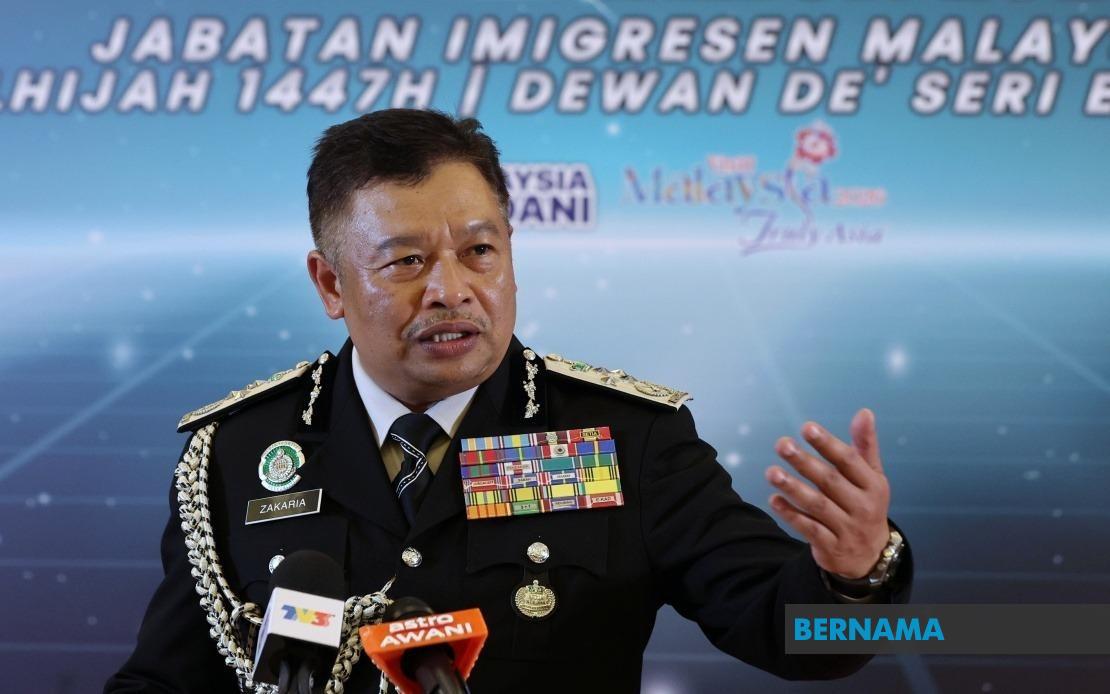
Malaysia's Immigration Department has identified only two airlines experiencing technical difficulties when processing Malaysian passports with validity periods exceeding 10 years, according to Immigration Director-General Datuk Zakaria Shaaban. Speaking at a press conference in Putrajaya on August 13, Zakaria clarified that the issue stems from incompatibilities within specific airline reservation and ticketing systems rather than any rejection of Malaysian travel documents by foreign governments or international aviation authorities.
The distinction is important for Malaysian travellers who have raised concerns about the recent suspension announced by the Immigration Department. Zakaria emphasized that the problem represents a limited technical glitch affecting isolated carriers, not a systemic rejection of Malaysian passports. He acknowledged, however, that additional airlines might experience similar difficulties without yet reporting the matter to authorities, suggesting the true scope of the problem could potentially be broader than currently documented.
The Malaysian International Passport's standard 10-year validity period remains unaffected by this suspension and continues to be issued normally. What has been temporarily halted is the additional grace period that extended passport validity beyond the standard decade. This grace period originated from a policy designed to maximize value for renewal applicants who still possessed significant remaining validity on their expiring passports. Previously, the Immigration Department would add up to six months extra validity to account for unused time on old documents being replaced, ensuring Malaysian citizens did not lose the benefit of that remaining period.
Zakaria stressed that the department bears no responsibility for the airline system incompatibilities, as these technological platforms operate globally across multiple carriers and jurisdictions. The fact that many other airlines process Malaysian passports with extended validity periods without difficulty further underscores that this constitutes a localized technical problem rather than a universal barrier to passport acceptance. This distinction matters significantly for Malaysia's international standing and for public confidence in the travel document.
In response to citizens who have already received passports issued with the now-suspended extended validity period of 10 years and six months, the Immigration Department has introduced a complimentary replacement programme. This initiative aims to mitigate inconvenience for affected individuals and demonstrates the government's commitment to resolving the matter swiftly. Citizens holding these extended-validity passports can obtain replacement documents without incurring additional fees, though the new passports would presumably revert to the standard 10-year validity period until the airline system issues are resolved.
The suspension of extended validity represents a temporary measure rather than a permanent policy shift. Zakaria indicated that the department is actively working with the International Civil Aviation Organization (ICAO) and the affected airlines to address and ultimately resolve the underlying system compatibility problems. This engagement with international aviation authorities suggests a structured approach to finding technical solutions that would allow the extended validity programme to resume once system upgrades or modifications are completed.
For Malaysian travellers, the practical implications are manageable in the near term. Passports issued under the standard 10-year validity policy face no restrictions and will be processed normally by all airlines. Those who obtained extended-validity passports before the suspension need not panic, as they retain valid travel documents; however, the free replacement option allows them to obtain standard validity passports if desired. The issue primarily affects future applicants, who will receive passports valid for the standard 10-year period rather than the previous extended timeframe.
The incident highlights ongoing challenges in ensuring compatibility between government-issued identification systems and private sector technology platforms in an increasingly digitized travel environment. As airlines worldwide upgrade their booking systems and adopt new standards, governments must balance innovation with accessibility for their citizens. The relatively limited scope of this particular problem—affecting only two identified carriers—suggests that Malaysian passport systems are generally robust and widely compatible with global airline infrastructure.
For Southeast Asian context, this situation also reflects broader questions about regional passport standards and international travel facilitation. Malaysia's proactive communication through the Immigration Director-General, coupled with the transparent acknowledgment of the problem's scope and the offer of free replacement passports, demonstrates a customer-service-oriented approach to government administration. This contrasts with alternative responses where authorities might have remained silent or deflected responsibility entirely.
The resolution timeline remains unclear, though the involvement of ICAO suggests coordination with international aviation bodies that may expedite technical solutions. Airlines experiencing system issues will likely prioritize compatibility upgrades given the volume of Malaysian passport holders and the importance of maintaining seamless travel processing. Once resolved, the extended validity programme could resume, restoring the previous benefit structure for renewal applicants with substantial remaining validity on their old passports.

