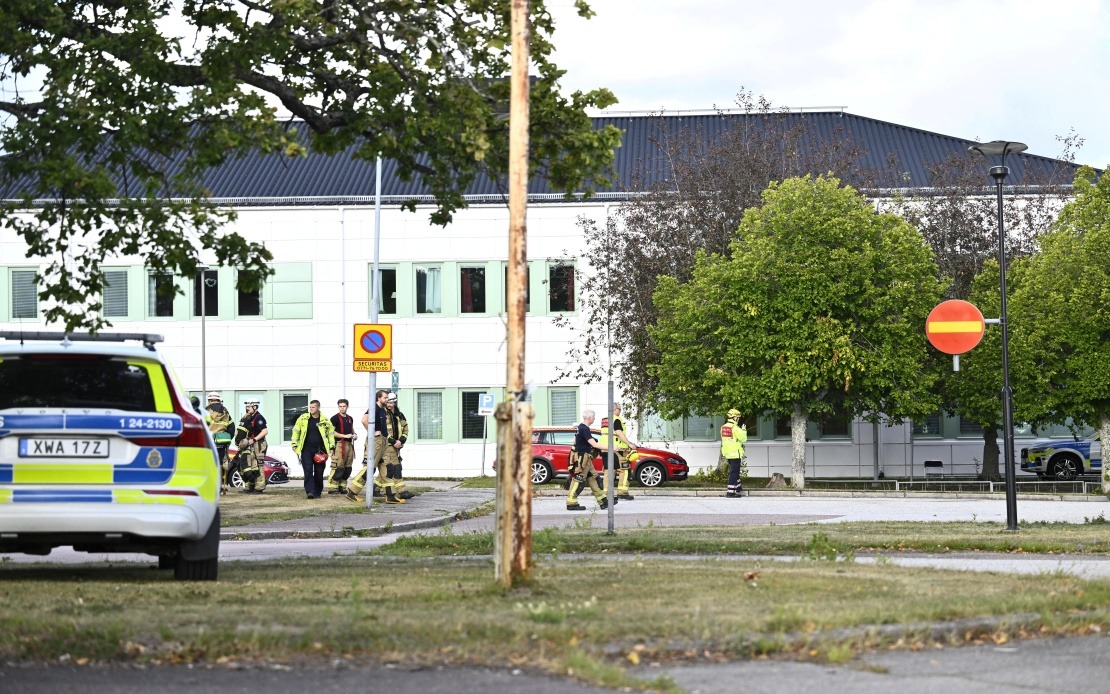
A violent incident at a Swedish school left one person dead and two seriously wounded when an armed attacker entered the premises in the afternoon of August 22. The assault occurred at Brinell School located in Fagersta, a town in central Sweden, prompting an immediate emergency response that included police and paramedics arriving at the scene at 2:06 pm local time. The swift intervention by authorities sought to contain the situation and provide medical assistance to the injured.
According to reports from Sweden's public broadcaster SVT, the perpetrator wielded a sword during the attack, an unusually brutal weapon choice that drew attention to the nature of the violence. Two male victims, both under 18 years of age, sustained serious injuries but remained in a stable condition following emergency medical treatment. A third person sustained minor injuries in the incident, bringing the total number of those harmed to four. The targeting of young people within an educational setting has understandably alarmed communities across Sweden and neighbouring regions.
Police apprehended an 18-year-old suspect believed responsible for the attack. Investigators linked the arrested individual to two residential addresses within Fagersta, establishing that he had previously attended Brinell School as a student. This connection raises questions about the motivations behind the attack and whether grievances related to his school experience played a role in the violence. The fact that the attacker held a connection to the institution targeted suggests the incident may not have been entirely random, though authorities have not yet disclosed full details regarding potential motives.
The immediate aftermath of the attack saw widespread precautionary measures implemented throughout the municipality. Local authorities instituted lockdowns at seven different schools and public facilities across Fagersta, including Olympen, Fagerstahallen, Risbroskolan, Skogsglantan, Bjorksta, Prastkragen, and Norrbybacken. These defensive actions reflected the seriousness with which officials treated the threat, ensuring that other young people and staff members remained secure whilst police conducted their investigation and secured the primary incident site.
Sweden's Justice Minister Gunnar Strommer issued a statement emphasising the government's engagement with developments. He confirmed that authorities had received notification of the serious incident and that police were conducting an intensive investigation at the location. Strommer stressed that the government maintained close contact with law enforcement agencies and would continue monitoring the situation as it developed. This high-level political acknowledgment underscores the gravity with which Swedish officials regarded the school violence.
The incident reflects broader concerns about security within educational institutions across Europe and Scandinavia. Despite Sweden's reputation for relative safety compared to some other nations, school violence remains a persistent issue requiring vigilance from administrators, law enforcement, and policymakers. The use of a sword rather than a firearm distinguishes this case within the European context, where such weapon types are less commonly employed in violent crime. Nevertheless, the fundamental challenge of protecting young people from violence in their learning environments remains urgent and multifaceted.
For Southeast Asian observers, the Swedish incident serves as a reminder that educational violence transcends geographical boundaries and socioeconomic contexts. Malaysia and other regional countries have experienced their own episodes of school-related violence, prompting ongoing discussions about campus security protocols, mental health support for students, and early intervention mechanisms to identify individuals at risk of committing violence. The international dimension of such incidents suggests value in sharing best practices for threat assessment and prevention strategies.
Investigations into the circumstances surrounding the attack will likely continue for weeks, with authorities examining the suspect's background, mental health status, and potential warning signs that preceded the violence. Swedish police typically conduct thorough inquiries into such incidents to understand contributing factors and identify systemic gaps that might be addressed through policy adjustments. The findings may inform discussions about school safety improvements not only in Sweden but across European nations and potentially influence global approaches to preventing youth violence in institutional settings.
The arrest of the 18-year-old suspect marked a critical development in containing the immediate threat, yet questions persist regarding what motivated a young person with apparent school connections to commit such a violent act. Understanding these dynamics becomes essential for developing preventative strategies that address root causes rather than merely responding to criminal acts after they occur. The international community continues grappling with how to balance security measures with maintaining open, welcoming educational environments that do not instil excessive fear among students and families.

