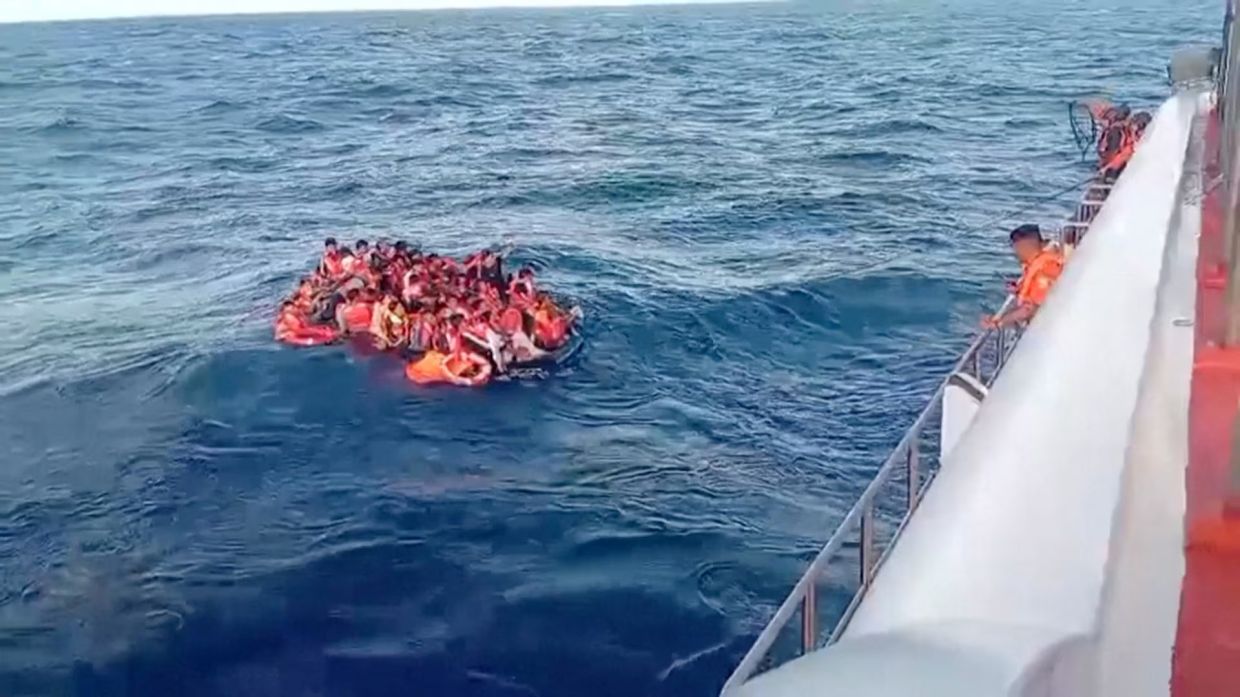
A major maritime disaster was averted when rescue teams successfully evacuated 211 people from an Indonesian ferry that erupted in flames in the waters between Bali and Lombok early Wednesday morning. The incident claimed one Indonesian woman's life, though the swift response by multiple agencies prevented what could have been a far more catastrophic loss. The Putri Yasmin caught fire at approximately 4:15 a.m. local time while traversing the channel separating the two islands, a route travelled daily by thousands of passengers heading between popular tourist destinations and neighbouring settlements.
The emergency response demonstrated the capacity of Indonesia's maritime rescue infrastructure when mobilised effectively. The National Search and Rescue Agency coordinated with the Indonesian Navy, maritime police, and nearby civilian vessels to pull survivors from the stricken ferry. Officials subsequently transported those rescued to ports on both Bali and Lombok, distributing the load across the two islands' reception facilities. Authorities characterised the evacuation as "completed safely and smoothly," suggesting that despite the vessel's emergency, crew procedures and rescue coordination functioned without major breakdown.
However, the incident has exposed continuing weaknesses in Indonesia's maritime administration. Ship manifests listed 131 passengers and crew members aboard the Putri Yasmin, yet authorities confirmed that significantly more people were actually on the vessel at the moment of crisis. This discrepancy between official records and actual occupancy raises serious questions about embarkation procedures and passenger counting protocols. The gap between registered and unregistered passengers—totalling approximately 80 additional people—illustrates how informal maritime transport practices remain embedded in Indonesian operations, potentially compromising safety oversight and evacuation planning.
For Malaysian and broader Southeast Asian observers, the Putri Yasmin incident underscores vulnerabilities that extend across the region's archipelagic transport networks. Indonesia operates ferries connecting more than 17,000 islands, making maritime services integral to the nation's economic and social fabric. Yet this same geographic necessity has historically created conditions where safety considerations become secondary to operational efficiency. Weather unpredictability and inadequately enforced safety standards have consistently been identified as factors in Indonesia's maritime accidents, many of which result in substantial loss of life. The rescue's success in this instance does not obscure systemic challenges that remain largely unaddressed.
The investigation into the fire's origins has been assigned to Indonesia's National Transportation Safety Committee, supported by the Lembar Port Authority. These bodies must determine whether the blaze resulted from mechanical failure, electrical fault, or other causes. Understanding the fire's genesis matters not only for accountability but for identifying whether structural or operational changes could prevent recurrence. Given that the Putri Yasmin appears to have been a reasonably modern vessel, investigators will likely examine whether maintenance schedules were followed and whether fire suppression systems functioned properly.
Material damage assessments remain ongoing, with authorities still calculating losses affecting the ferry itself, vehicles transported aboard, and cargo. The destruction of the Putri Yasmin represents a significant loss for its operators, though the loss of a single vessel appears less serious than the potential human toll had rescue efforts faltered. Insurance and compensation processes will likely extend over months, involving maritime authorities, shipping companies, and affected passengers.
The incident arrives amid renewed international scrutiny of maritime safety standards across Southeast Asia. Regional maritime authorities, including those in Malaysia, have periodically raised concerns about inconsistent implementation of International Maritime Organization regulations. Ferry operators across the region sometimes operate older vessels or defer maintenance to maximise short-term profitability, creating hidden risks. The gap between official capacity figures and actual passenger loads, evident in the Putri Yasmin case, reflects a broader pattern where informal arrangements allow operators to exceed licensed capacity without transparent documentation.
For Indonesian policymakers, the rescue's success should not become justification for complacency. The fortunate outcome—that rescue teams arrived quickly and coordination functioned adequately—cannot be relied upon in future incidents, particularly those occurring in poor weather or at night when visibility and response capabilities diminish. Strengthening mandatory safety drills, upgrading fire suppression systems on older vessels, and implementing rigorous embarkation procedures would substantially reduce risks.
Regional transport planners watching the Putri Yasmin incident should recognise it as indicative of broader archipelagic challenges. Malaysia's own ferry operations, particularly in the Sabah-Sarawak region and services to neighbouring waters, face comparable pressures balancing affordability with safety. Learning from Indonesia's incident—both its successful rescue coordination and its pre-incident regulatory gaps—offers valuable lessons for maritime operators throughout the region as they navigate the ongoing tension between expanding transport capacity and maintaining safety standards.

