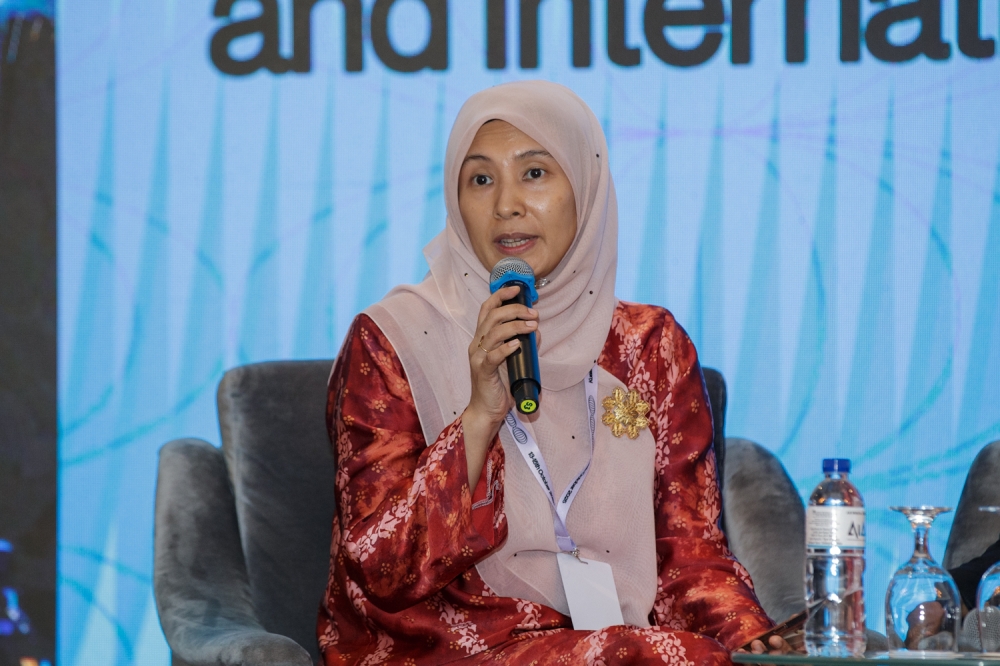
Nurul Izzah Anwar, the high-profile deputy president of the People's Justice Party (PKR), announced on August 7 that she is stepping down from her leadership role to dedicate herself to further education. The decision represents a notable reshuffling within one of Malaysia's key opposition-coalition parties, and comes at a time when the political landscape continues to evolve following recent electoral cycles and coalition realignments across the country.
The move signals a deliberate pivot in Nurul Izzah's career trajectory, as she shifts focus away from the demands of high-level party administration toward personal intellectual development. Her departure from the deputy presidency creates a vacuum in PKR's operational hierarchy and raises immediate questions about succession within the party's decision-making structures. As the daughter of former Prime Minister Anwar Ibrahim, who currently leads PKR, her step back carries symbolic weight beyond routine leadership transitions.
For Malaysian political observers, the timing of this decision warrants scrutiny. PKR remains a cornerstone of the Pakatan Harapan coalition, which governed the nation from 2018 to 2020 and continues to serve as the primary opposition force. The party's internal cohesion and leadership pipeline are therefore closely watched by analysts tracking the broader health and viability of opposition politics in the country. Nurul Izzah's withdrawal from front-line politics, even temporarily, potentially affects the party's public profile and institutional momentum.
Educational advancement among Malaysian political figures, while occasionally cited, remains relatively uncommon at the deputy-presidential level. The decision reflects a personal choice to invest in academic credentials, which might encompass postgraduate studies, professional qualifications, or specialised training in policy fields. Such moves are typically framed as individual development rather than political setbacks, yet they inevitably alter the distribution of influence and responsibility within party structures.
Nurul Izzah's political career has been marked by advocacy work on social issues, particularly women's rights and democratic governance. Her previous parliamentary service and public engagement have established her as a distinct voice within PKR, separate from her family connections. Her withdrawal may therefore represent not merely a personnel shift but a recalibration of the party's messaging and policy focus, depending on who assumes her responsibilities.
The broader implications for PKR touch on questions of institutional depth and bench strength. Opposition parties across Southeast Asia frequently grapple with over-reliance on specific individuals or families for public visibility and decision-making authority. Nurul Izzah's departure, whether temporary or permanent, tests whether PKR possesses sufficient internal talent and organisational capacity to maintain effectiveness without her presence in senior ranks. This scenario mirrors challenges faced by political parties across the region as they balance hereditary influence with meritocratic advancement.
From a Malaysian governance perspective, the transition also invites reflection on how political parties nurture and retain talent. When senior figures step back, it creates opportunities for other members to advance and assume greater responsibility. Alternatively, such departures can trigger power vacuums that destabilise coalition dynamics or invite factional competition. PKR's handling of this leadership change will reveal much about its internal discipline and forward-planning capabilities.
Anwar Ibrahim's continued role as party president means he retains ultimate authority over succession decisions and party direction. His relationship with his daughter and their respective political trajectories have long been subjects of public discussion and speculation. Her decision to pursue studies thus carries implications for his own political succession planning and the future generational transition within PKR's leadership structures.
For Southeast Asian readers, this development underscores broader patterns within the region's opposition movements. Political parties across ASEAN nations frequently face challenges balancing youthful idealism with operational demands, and deciding when senior figures should transition to advisory or educational roles. Nurul Izzah's choice reflects a global trend among political families toward diversifying career trajectories and avoiding over-concentration of power within single individuals or generations.
The vacant deputy presidency presents PKR with an opportunity to demonstrate transparent and inclusive leadership selection processes. How the party fills this position—whether through internal election, executive appointment, or interim arrangement—will signal its commitment to institutional strengthening versus personalised governance. These decisions ripple through coalition politics, affecting negotiations with Pakatan Harapan partners like the Democratic Action Party (DAP) and Amanah.
Moving forward, observers should monitor whether Nurul Izzah eventually returns to formal party positions, transitions into policy or advocacy roles outside party structures, or establishes a different relationship with PKR. Her educational focus may also influence her future policy interests or professional direction, potentially reshaping her political relevance in years to come. Such career flexibility, while sometimes unsettling to party loyalists, often enriches long-term political contributions by broadening personal expertise and international exposure.
Ultimately, Nurul Izzah's decision reflects individual agency within Malaysia's complex political ecosystem. While her departure removes a recognisable face from PKR's hierarchy, it also highlights the party's capacity to adapt and evolve beyond any single figure. The true test of institutional health lies not in irreplaceability of personalities, but in systems strong enough to absorb and navigate such transitions effectively.

