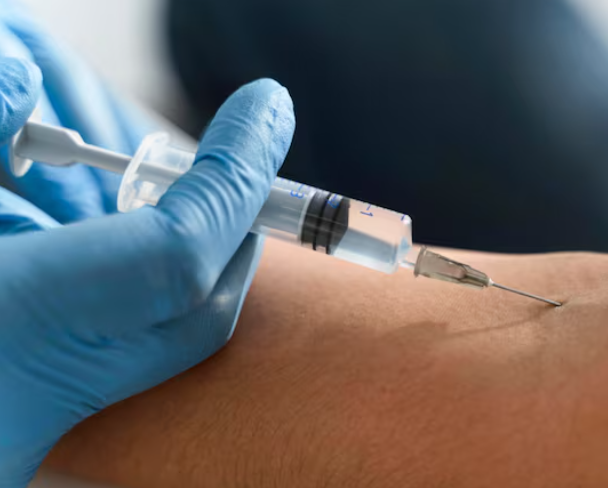
A registered nurse working at a private hospital in Telangana's Nizamabad district has been taken into custody for the alleged murder of her 35-year-old husband in a case that reveals a calculated scheme involving multiple failed attempts to end his life. Sandhya, identified as the primary suspect, is accused of administering a fatal mixture of toilet cleaning liquid and crushed sedatives through an intravenous cannula inserted into her husband Dayini Prashanth's arm on June 30. The death came just days after Prashanth survived a traumatic incident that authorities now believe was orchestrated as part of a broader conspiracy to eliminate him.
The events leading to his death began when Prashanth returned to India on June 27 after spending two years working in the Gulf region. His unexpected decision to remain in the country rather than return to his employment abroad triggered the sequence of events that would ultimately prove fatal. Sandhya viewed her husband's presence as a significant obstacle to her continued extramarital involvement with a man named Anil, who was 35 years old. This relationship, facilitated with assistance from Anil's associate Venkat Sai, formed the primary motive behind the alleged killing, according to police investigators who interrogated the accused woman.
The initial murder attempt took a violent form when Sai visited Prashanth's residence on June 29 and deliberately intoxicated him with substantial quantities of alcohol. Once the victim was in an inebriated state, Sai escorted him to the building's terrace and pushed him off the edge, acting under telephonic instructions from Sandhya. Remarkably, Prashanth survived the fall despite sustaining serious injuries in the process. Sandhya's response was characteristically manipulative; she convinced her injured husband that he had simply lost his footing due to intoxication rather than being deliberately thrown from the structure. She subsequently arranged his admission to a government hospital and later transferred him to a private medical facility for continued treatment.
During his hospital stay, Prashanth gradually recovered enough to return home, where what would prove to be the fatal stage of the conspiracy was set in motion. Sandhya leveraged her professional background as a trained nurse to maintain medical care for her husband within their residence. She arranged for intravenous fluid administration at home, ostensibly to support his ongoing recovery from the injuries sustained in the fall. This arrangement provided the perfect opportunity for her to implement the final phase of the plot. Using her medical knowledge and access to the IV line, she injected a toxic combination of toilet cleaner and pulverised sleeping medication directly into Prashanth's bloodstream through the cannula.
The circumstances surrounding Prashanth's subsequent death were designed to appear consistent with his deteriorating condition following the rooftop fall. Sandhya further complicated matters by pushing him from the cot where he lay, compounding the injuries and obscuring the true cause of his demise. Initially, she attempted to characterise her husband's death as a natural consequence of his decline following the earlier accident. However, the victim's mother, who maintained a separate residence, harboured significant doubts about the official explanation for her son's sudden death and lodged a formal complaint with authorities.
The mother's suspicions proved instrumental in unravelling the entire conspiracy. Her decision to challenge the circumstances of her son's death triggered a proper investigation by police officials who subsequently discovered the full extent of the plot. During intensive interrogation, the details of the coordinated scheme gradually emerged, revealing the deliberate nature of both the rooftop assault and the subsequent poisoning through medical means. The investigation exposed how Sandhya had exploited her professional status and medical training to gain access to her husband's medical treatment, ultimately using that access as a vehicle for administering the lethal toxin.
The case highlights a disturbing exploitation of healthcare access and professional credentials to carry out what authorities classify as premeditated murder. Sandhya's training as a nurse provided her with legitimate reasons to handle medications and medical equipment, knowledge of how to administer substances through intravenous lines, and an understanding of what combinations might prove lethal. Her professional position also lent credibility to her actions when she arranged for home-based medical care following Prashanth's hospital discharge. The involvement of Anil and Sai in the conspiracy demonstrates how the primary motivation centred on enabling Sandhya's extramarital relationship, which she apparently valued more highly than her marriage or her husband's life.
For Malaysian observers, this case underscores several troubling realities applicable across South Asian healthcare contexts and family dynamics. The vulnerability of patients in home care settings, particularly when receiving treatment from family members with medical training, requires heightened scrutiny and safeguards. The psychological dynamics that can lead otherwise professional individuals to commit such acts reflect patterns seen across different societies. The case also demonstrates the critical importance of family members' instincts and their willingness to question official narratives when circumstances appear inconsistent, as Prashanth's mother's persistence proved decisive in securing justice.
The investigation and arrest represent a significant achievement for Telangana law enforcement in unmasking a sophisticated murder conspiracy that initially appeared designed to evade detection. The use of readily available household chemicals as a murder weapon, combined with medical knowledge and access, created a particularly dangerous and difficult-to-detect methodology. The conspiracy's failure ultimately hinged not on investigative acuity alone but on a grieving mother's refusal to accept the sanitised explanation offered for her son's death. The case reinforces broader lessons about the importance of institutional oversight of healthcare provision, particularly in domestic settings, and the need for proper investigation even when family members provide plausible explanations for unexpected deaths.

