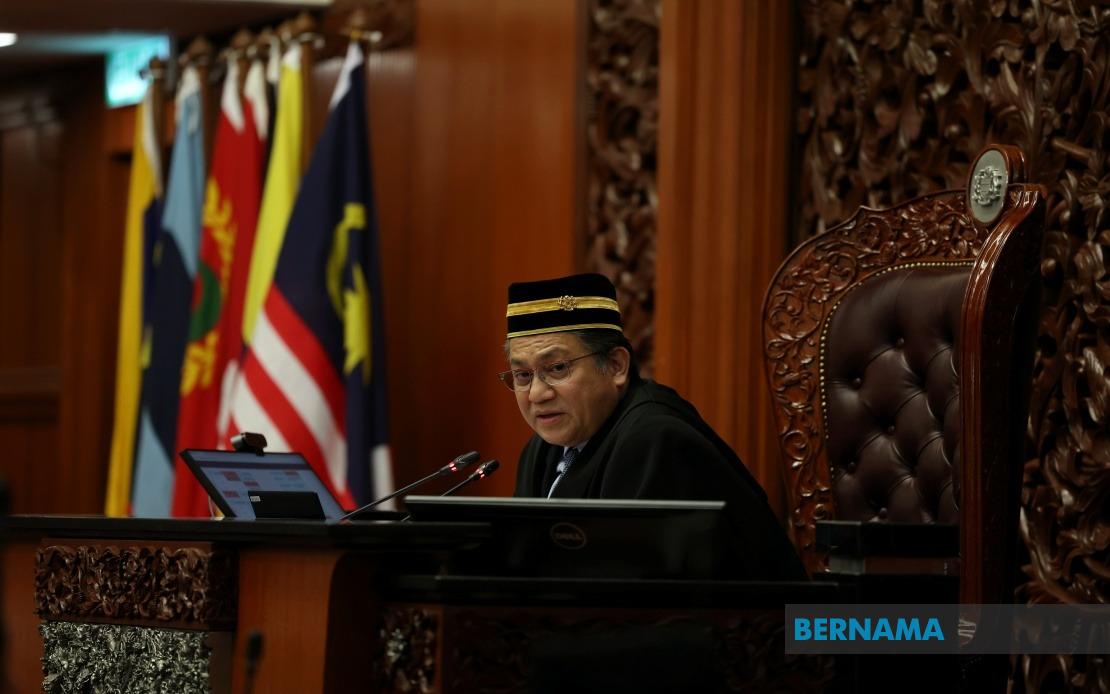
Datuk Nur Jazlan Mohamed has secured another term as Deputy Speaker of the Dewan Negara, the upper chamber of Malaysia's Parliament, following his reappointment on July 20. The UMNO politician's continuation in the role underscores the governing coalition's confidence in his legislative leadership and reflects broader stability within the current parliamentary structure as the nation moves toward the final stages of its fifth parliamentary term.
Higher Education Minister Datuk Seri Zambry Abd Kadir formally submitted Nur Jazlan's nomination on behalf of Prime Minister Datuk Seri Anwar Ibrahim during the day's parliamentary proceedings. The nomination process was notably streamlined, with no competing candidates emerging for the position, indicating a consensual arrangement among the coalition parties represented in the upper house. This absence of contestation suggests broad agreement on Nur Jazlan's stewardship of Senate proceedings over his initial tenure.
The 60-year-old senator's reappointment carries a three-year mandate beginning June 15, 2026, extending through June 14, 2029. This timeline aligns with the standard rotation of Senate memberships and ensures continuity in the chamber's administrative leadership during a critical period for government legislation. His previous tenure, which commenced in June 2023, demonstrated sufficient competence and institutional knowledge to warrant another consecutive term, a relatively uncommon outcome in Malaysian parliamentary practice where deputy speaker positions frequently rotate among different office holders.
Nur Jazlan's political biography reflects a steady progression through Malaysia's governing structures. Beyond his current Senate role, he maintains significant influence within UMNO's internal hierarchy as a Supreme Council member and chief of the Pulai Division. His earlier tenure as Deputy Home Minister from 2015 to 2018 and his fourteen-year representation of Pulai in the federal parliament until 2018 demonstrate deep roots within his constituency and substantial legislative experience navigating Malaysia's executive-parliamentary relationships.
The same parliamentary sitting also witnessed the reappointment of fellow Senator Mussodak Ahmad for a second consecutive three-year term, though through a different nomination pathway. Mussodak's reappointment by the Kedah State Legislative Assembly, effective from March 20, 2026, to March 19, 2029, reflects the federal structure embedded within Senate membership. The Kedah PAS secretary's appointment represents continued representation from the northern state within the upper chamber and underscores the coalition's maintenance of adequate state-level representation in the federal legislative process.
Mussodak's political profile, while less nationally prominent than Nur Jazlan's, reflects the practical work of regional politics. His participation in Kedah state elections, including contests for the Bayu and Guar Chempedak state seats, demonstrates the linkages between state and federal legislative involvement. His initial Senate appointment in March 2023 provided him with federal legislative experience that evidently satisfied his appointing state assembly regarding his suitability for renewed tenure.
The broader parliamentary calendar indicates that the Dewan Negara's second meeting of the fifth parliamentary term commenced on July 20 and will continue for ten working days through August 4. This session represents a sustained engagement with legislative business as the government manages its legislative agenda through the upper house. The Senate's role has become increasingly significant within Malaysia's parliamentary system, serving not merely as a chamber of review but as an active participant in shaping legislation, particularly regarding matters affecting multiple states and federal-state coordination.
Nur Jazlan's reappointment occurs amid evolving dynamics within Malaysia's ruling coalition following the May 2023 elections. The retention of experienced administrators in institutional leadership positions suggests the government's focus on maintaining parliamentary stability while managing complex coalition dynamics. The unopposed nature of his reappointment indicates that neither opposition members nor dissenting coalition voices challenged his continuation, a meaningful indicator of consensus within the upper chamber regarding his performance as deputy speaker.
The ceremonial swearing-in of Nur Jazlan and Mussodak before Dewan Negara Speaker Datuk Awang Bemee Awang Ali Basah completed the formal procedures enabling their resumed service. This ceremonial element, while procedurally routine, carries institutional significance in Malaysia's Westminster-derived parliamentary system, where formal oaths and public recognition of appointments reinforce the legitimacy and continuity of parliamentary governance structures.
For Malaysian observers and regional analysts tracking institutional developments in Southeast Asia's oldest continuous parliamentary democracy, these appointments reflect the continuing importance of stable legislative frameworks even as Malaysian politics navigates substantial shifts in coalition composition and electoral dynamics. The reappointment of experienced legislators to institutional leadership roles suggests that despite surface-level political volatility, the permanent structures of Malaysia's Parliament retain sufficient institutional autonomy to function effectively in stewarding legislative business and maintaining parliamentary decorum across shifting political configurations.

