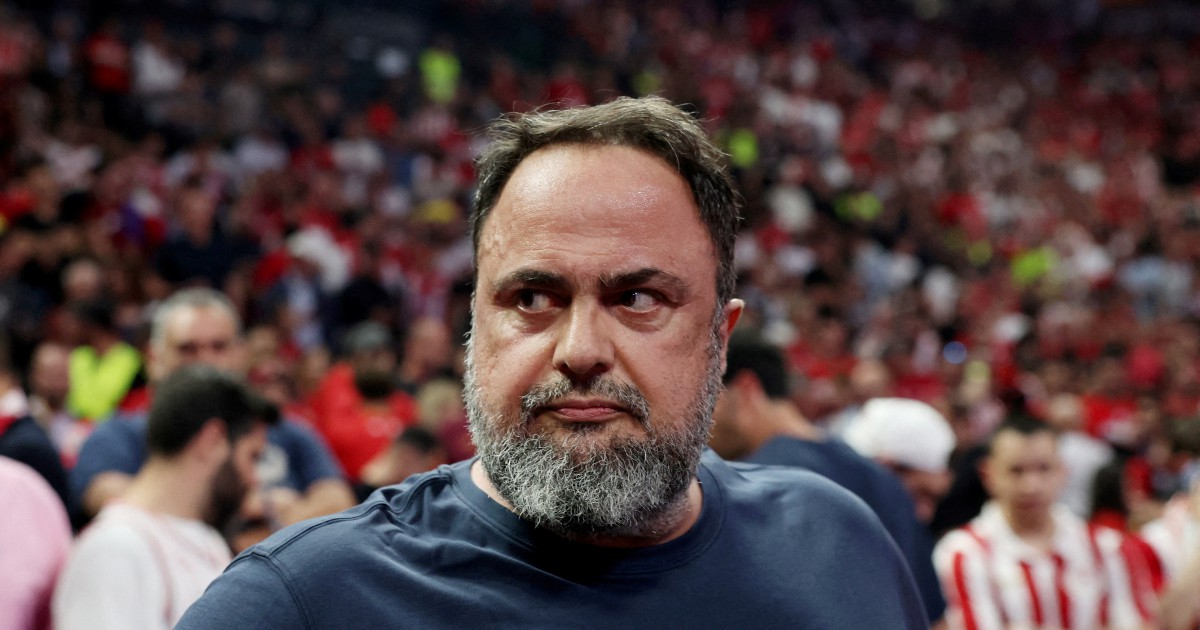
The owner of Nottingham Forest, Evangelos Marinakis, has commenced libel proceedings against Crystal Palace, one of the Premier League's established clubs, at the High Court in London. The legal action, filed on Monday, stems from allegations regarding a provocative banner that was displayed by Palace supporters during a match in the previous season, according to multiple media reports covering the dispute.
Marinakis, a Greek shipping magnate and businessman who acquired controlling interest in the East Midlands club, has sought recourse through the English legal system to address what he considers defamatory statements made through the medium of a fan-created banner. The specific contents of the banner and the exact allegations it contained have not been disclosed in official court documents or public statements, though media outlets have suggested the display was inflammatory in nature.
The dispute represents a notable escalation in tensions between the two clubs beyond standard sporting rivalry. While verbal exchanges and minor incidents between competing teams are commonplace in professional football, formal legal action involving club ownership over fan conduct is considerably rarer and signals a serious breach in the informal codes that typically govern relations between rival institutions. This development underscores the increasingly litigious approach some ownership groups adopt when addressing perceived slights or defamatory statements.
Crystal Palace, based in South London and competing in the same top-flight division as Nottingham Forest, has not yet made a formal public statement regarding the lawsuit. The club may face complications in defending itself, as organisations are often held responsible for the actions of their supporters even when they do not directly control individual fan behaviour. This legal principle places significant pressure on clubs to maintain order among their fan bases and to distance themselves from inappropriate conduct.
Marinakis's decision to pursue the matter through the courts rather than seeking alternative resolution mechanisms reflects the seriousness with which he views the alleged defamation. The High Court proceedings will require both parties to present evidence and arguments before a judge, with the outcome potentially establishing precedent for how similar disputes involving fan conduct and club responsibility are handled in the future.
The involvement of a club owner of Marinakis's prominence and resources in such legal action also highlights the broader intersection between wealth, corporate influence, and English football governance. Wealthy international owners have increasingly reshaped the landscape of Premier League clubs over the past two decades, and disputes such as this one demonstrate how personal grievances can become matters of formal legal consequence.
Notttingham Forest, under Marinakis's ownership, has invested substantially in squad development and infrastructure improvements in recent years, securing a return to the Premier League after a prolonged absence. The club's renewed prominence has naturally increased its profile and the intensity of rivalries with other institutions, making it more likely that disputes will emerge and occasionally escalate to formal proceedings.
For Malaysian and Southeast Asian observers of English football, this case illustrates the complex dynamics that characterise professional sport at the highest level in Europe. While fan culture and supporter expression are considered integral to the football experience, they operate within legal and regulatory boundaries that can differ significantly from how similar situations are handled in other regional contexts. The outcome of Marinakis v Crystal Palace may influence how clubs and owners approach fan conduct in future seasons.
The proceedings will also draw attention to broader questions about club accountability for supporter behaviour, the boundaries of acceptable fan expression, and the extent to which wealthy club owners are willing to invest in legal remedies to address perceived wrongs. These issues resonate across professional sports globally and reflect evolving standards regarding discrimination, defamation, and the responsibilities of sporting institutions to manage their communities.
As the case progresses through the English legal system, both Nottingham Forest and Crystal Palace will likely face continued media scrutiny. The eventual judgment could have implications extending beyond the two clubs involved, potentially informing how Premier League institutions respond to fan misconduct and defamatory statements in subsequent seasons. For now, the dispute remains a matter of active legal proceedings, with the specifics and eventual outcome awaiting disclosure through court documents and official statements from the parties involved.

