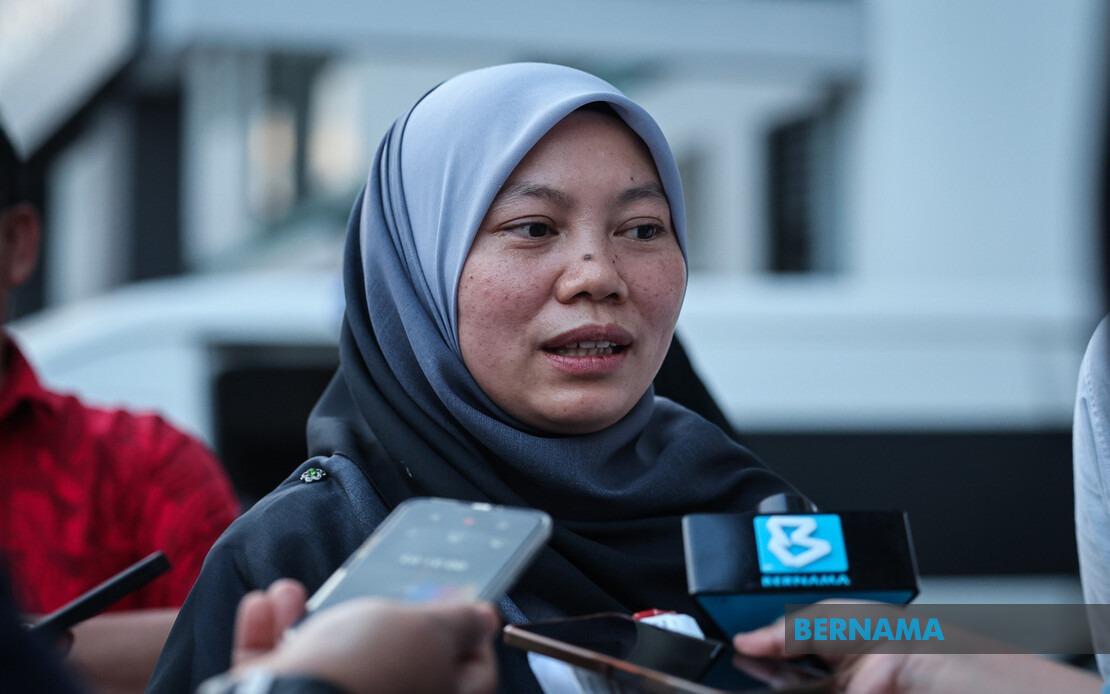
Pakatan Harapan's candidate for the Tiram state seat in Johor, Nor Zulaila Abd Ghani, believes she has struck a chord with voters during her campaign trail, citing consistently encouraging interactions at community level despite scattered online criticism. Speaking after a meet-and-greet programme with Entrepreneur Development and Cooperatives Minister Steven Sim Chee Keong at Ruang Kopi Kita in Kota Masai, she expressed confidence that grassroots support for the coalition remains robust across her constituency.
The distinction between digital hostility and on-the-ground reception has become increasingly relevant in Malaysian electoral politics. While Nor Zulaila acknowledged that disparaging remarks have surfaced on social media platforms such as Facebook, she emphasized that these have not translated into tangible friction during her constituency visits. This observation underscores how traditional campaigning can still yield clearer signals of voter sentiment than online discourse, where accounts may not represent actual constituents or genuine voter opinion.
Her campaign strategy reveals a deliberate pivot toward connecting with younger voters through informal, activity-based engagement rather than formal political rallies. Nor Zulaila has made deliberate efforts to participate alongside local youth in sepak takraw matches, futsal games, and snooker tournaments—recreational pursuits that allow for genuine interaction without the performative trappings of typical campaign events. This approach recognizes a documented challenge facing Malaysian political parties: voter apathy among younger demographics who feel disconnected from traditional political messaging.
The underlying message in her youth outreach carries particular weight for Southeast Asian democracies grappling with low voter turnout among under-35 populations. Nor Zulaila has used these casual encounters to frame voting not as an abstract civic duty but as a practical necessity with direct implications for daily life. She stresses to young voters that government policies on employment, housing, education, and social services directly depend on electoral outcomes, effectively arguing that disengagement from voting amounts to surrendering agency over their own futures.
The campaign has not been without friction. Nor Zulaila expressed dismay at recent vandalism of her campaign billboard, an incident that reflects broader tensions that have occasionally marred Malaysian electoral contests. Her public hope that the remaining campaign period will proceed without similar incidents and that all competing parties will maintain maturity and civility suggests an awareness of the stakes involved in setting the tone for political conduct at constituency level.
The Johor state election cycle itself represents a significant juncture for the Harapan coalition, which remains engaged in a complex political landscape following the 15th General Election. Each state-level contest offers opportunities to rebuild momentum and demonstrate continued public support in key constituencies. The Tiram seat, located in Pasir Gudang's industrial and suburban belt, encompasses a diverse voter base with varying socioeconomic profiles, making it a microcosm of broader electoral dynamics.
Voting in the Johor election is scheduled for July 11, with early voting already set for July 7, compressing the final campaign period. This condensed timeline means the remaining days hold outsized importance for candidate visibility and messaging penetration. Nor Zulaila's emphasis on positive grassroots feedback may reflect an effort to project momentum even as the competitive landscape remains fluid and unpredictable until ballots are cast.
The 16th Johor state election takes place against a backdrop of evolving state-level political configurations throughout Malaysia. Regional elections provide crucial testing grounds for parties to assess messaging effectiveness, identify emerging voter concerns, and adjust strategies ahead of potential national contests. For Pakatan Harapan, maintaining or expanding its foothold in Johor—a state with significant electoral weight and demographic diversity—carries implications extending well beyond the state capital.
Nor Zulaila's campaign narrative, centered on accessibility, youth mobilization, and grassroots legitimacy, reflects broader patterns in contemporary Malaysian politics where candidates increasingly attempt to position themselves as community-embedded rather than party functionaries. The success of such approaches depends heavily on whether voters ultimately perceive genuine commitment to local constituency interests or view such engagement as temporary electoral theatre. Her willingness to engage in recreational activities with constituents represents one data point, but ultimate voter assessment will hinge on track record, credibility, and competitive positioning against rival candidates when polls open.

