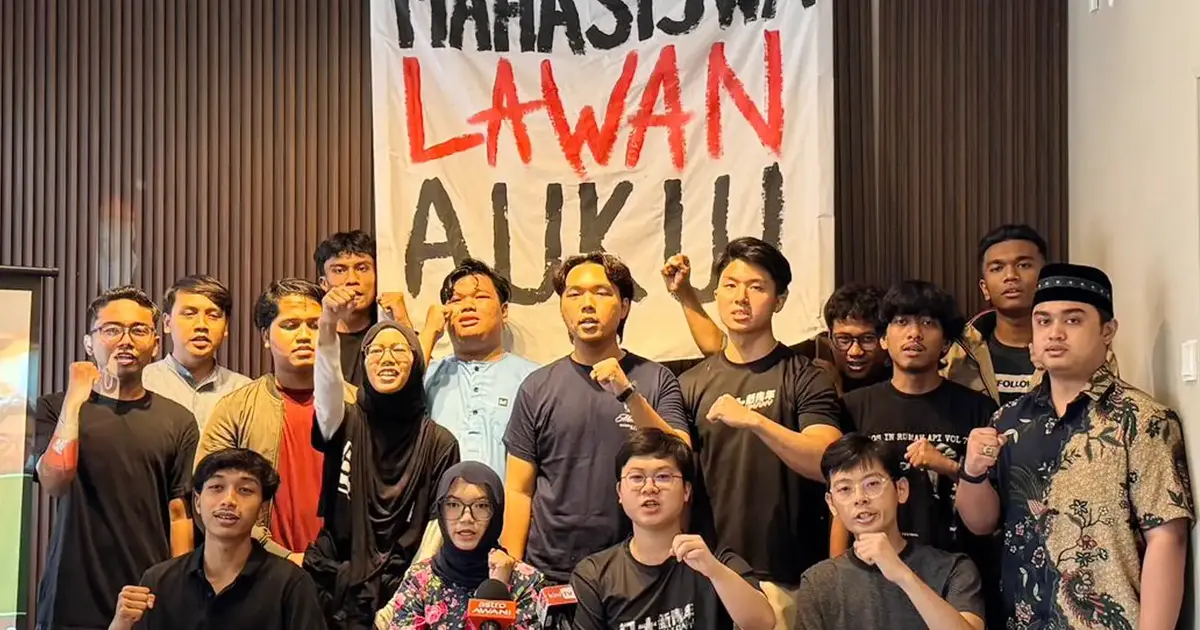
Prime Minister Anwar Ibrahim has reaffirmed his government's stance against introducing fresh legislation designed to restrict student activities, marking a significant departure from the approach embodied in the now-abolished Auku law. His statement comes in the wake of ongoing discussions about the future regulatory framework governing student conduct and campus life, providing reassurance to educational institutions and student organisations that fear a legislative vacuum might be filled with restrictive measures.
The promise represents a strategic repositioning on student affairs policy, reflecting broader commitments made during the administration's reform agenda. With Auku—the Universities and University Colleges Act—having been repealed as part of wider governance reforms, questions naturally arose about what legislative safeguards or restrictions might replace the previous statutory framework. Anwar's declaration that his government opposes blanket restrictions targeting this demographic appears designed to quell anxieties while signalling a modernised approach to campus governance.
Historically, Auku was widely viewed as a constraining statute that limited student expression, assembly, and political participation on university campuses. Its provisions had drawn sustained criticism from civil liberties advocates, student representatives, and international observer missions, who argued that overly broad restrictions were disproportionate and potentially chilling to legitimate academic and civic engagement. The law's repeal was therefore welcomed by those who saw it as an impediment to democratic freedoms within educational settings.
The prime minister's assurance that no new law will specifically restrict students carries particular weight in the Malaysian context, where student movements have historically served as catalysts for broader social and political change. Universities have traditionally functioned as incubators for civic consciousness and democratic debate, and blanket legal restrictions can stifle the intellectual ferment essential to higher education's core mission. By explicitly ruling out tailored restrictive legislation, Anwar appears to be recognising both the constitutional importance of student freedoms and their social value.
However, the statement's implications warrant careful examination. The phrase "specifically restricts students" leaves considerable interpretive space. General legislation—laws of universal application—might still impose restrictions on student conduct without technically being "specific" to that group. This distinction suggests that while targeted student restrictions are off the table, broader legal frameworks affecting student behaviour remain possible. The government might legislate on matters such as campus conduct, academic integrity, or public order in ways that affect students significantly without being student-specific in their statutory language.
The timing of this declaration is noteworthy given Malaysia's complex relationship with campus activism and student organising. Southeast Asian neighbours have witnessed varying degrees of government management of student affairs, with some countries maintaining tight regulatory control while others permit greater autonomy. Malaysia's trajectory under the new administration appears to favour the latter approach, at least in terms of legislative symbolism, though practical implementation through university policies and administrative action may tell a different story.
Educational institutions themselves have expressed cautious optimism about the post-Auku landscape. University administrators have grappled with balancing institutional autonomy, student welfare, and regulatory compliance. The removal of a specific student-restricting statute provides clearer space for institutions to develop their own governance frameworks, though questions persist about whether such internal policies might replicate the restrictions that Auku previously imposed. Anwar's statement effectively places pressure on universities to demonstrate that self-regulation can succeed where statutory restriction has been abandoned.
Student organisations have signalled measured hope regarding this policy direction. Groups advocating for campus freedoms have long argued that restrictions bred distrust between student bodies and institutional leadership, undermining the collaborative relationships necessary for effective campus governance. A regulatory environment based on principle rather than prescription, they contend, would foster more mature relationships between students and administrators while preserving institutional stability.
The international dimension should not be overlooked. Malaysia's approach to student freedoms increasingly serves as a marker of its broader democratic credentials within the region and globally. Commitments to unfettered student expression and assembly contribute to Malaysia's international reputation and capacity to attract quality students from abroad. Conversely, perceived restrictions on campus freedoms can generate negative international commentary and affect the standing of Malaysian institutions in global higher education rankings and partnerships.
Yet the absence of specific student restrictions does not automatically resolve all tensions surrounding campus governance. Universities must still maintain academic standards, ensure campus safety, and manage competing uses of limited campus resources. Questions about how these legitimate institutional needs will be balanced against expanded student freedoms remain partially unanswered. The transition from Auku's explicit restrictions to a less prescriptive regulatory environment will require careful navigation by institutions and will serve as a test of whether principle-based governance can replace rule-based restriction.
The prime minister's pledge also reflects a broader philosophy about the role of law in regulating social behaviour. Rather than using legislation as the primary tool for managing student conduct, the new approach appears to privilege institutional autonomy, civil society engagement, and dialogue over statutory prescription. This philosophy, if consistently applied, suggests a fundamentally different vision of university governance than that offered by Auku's restrictive framework.
Moving forward, the sustainability of this commitment will depend on government restraint and institutional diligence. Political pressures may periodically emerge demanding restrictions on particular student activities or expressions, and the test will be whether the administration maintains its stated opposition to student-specific legislation. Simultaneously, universities must demonstrate that they can manage campus life effectively without relying on the safety net of government-imposed restrictions, thereby validating the theory that self-governance can succeed where statutory control had previously been applied.

